


Circular design between material practice, systems thinking, and regional value creation
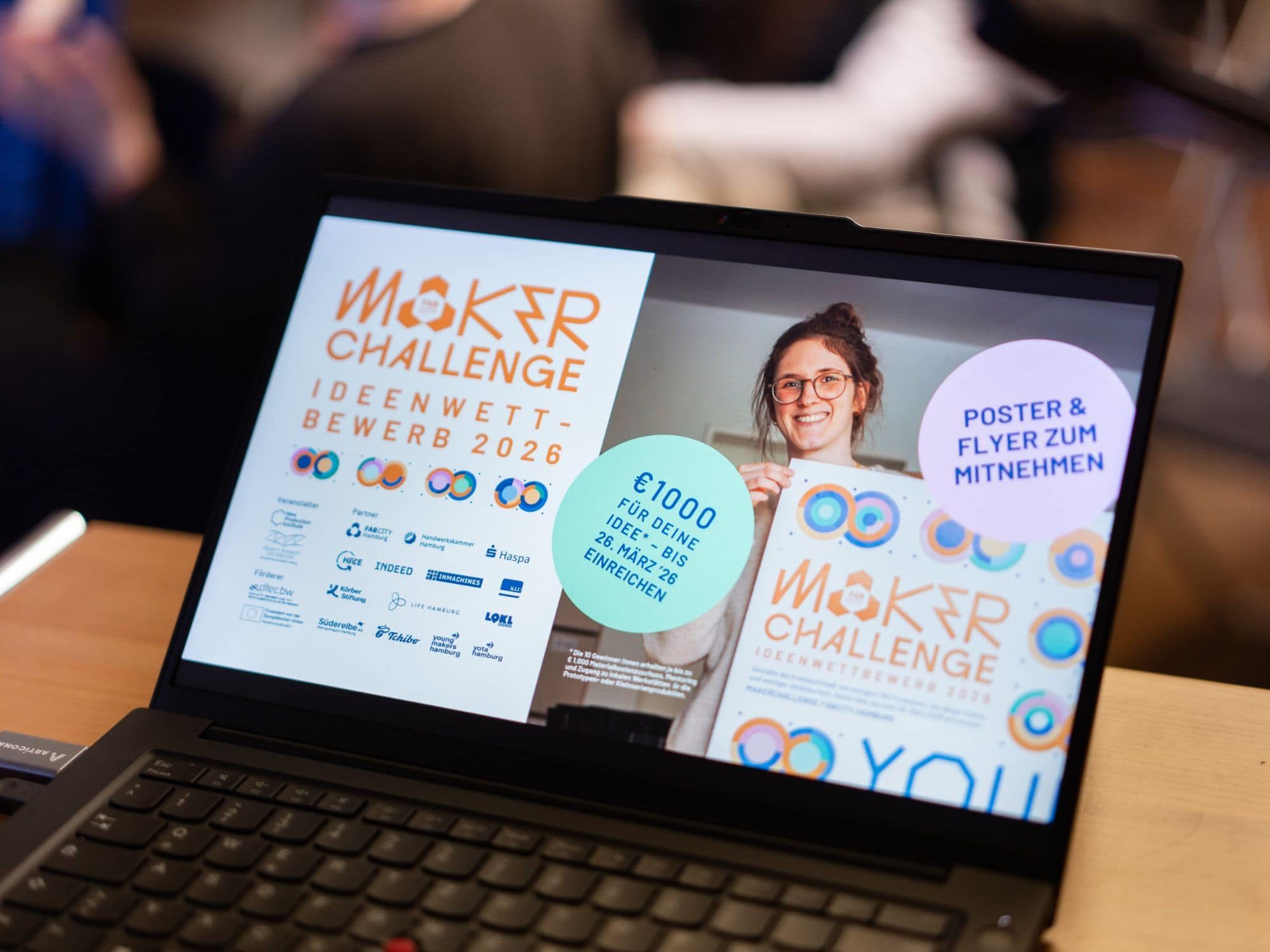
The MAKER CHALLENGE 2026 is inviting submissions of product ideas that integrate circular principles into design, material selection, and usage systems until March 26.
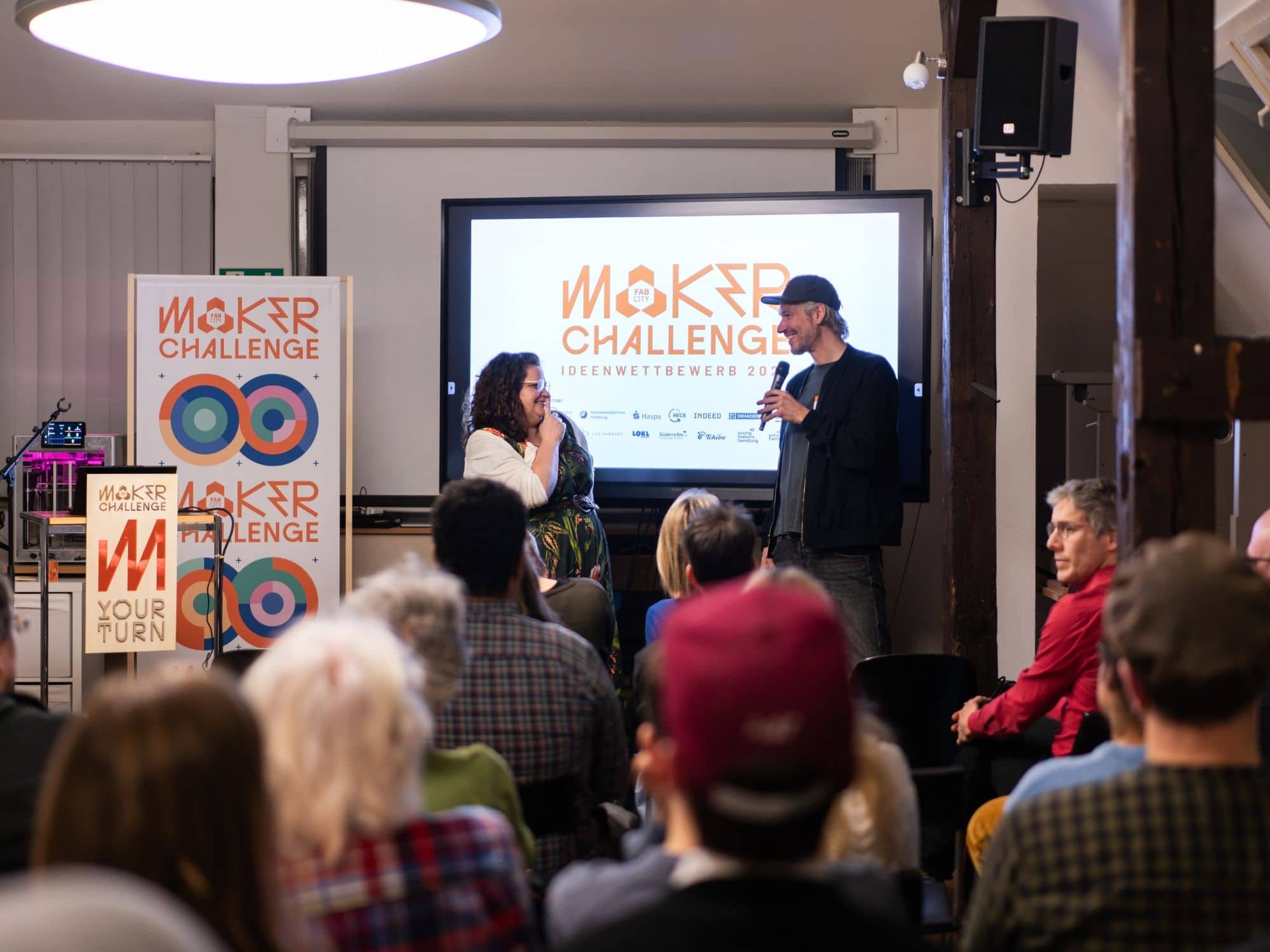
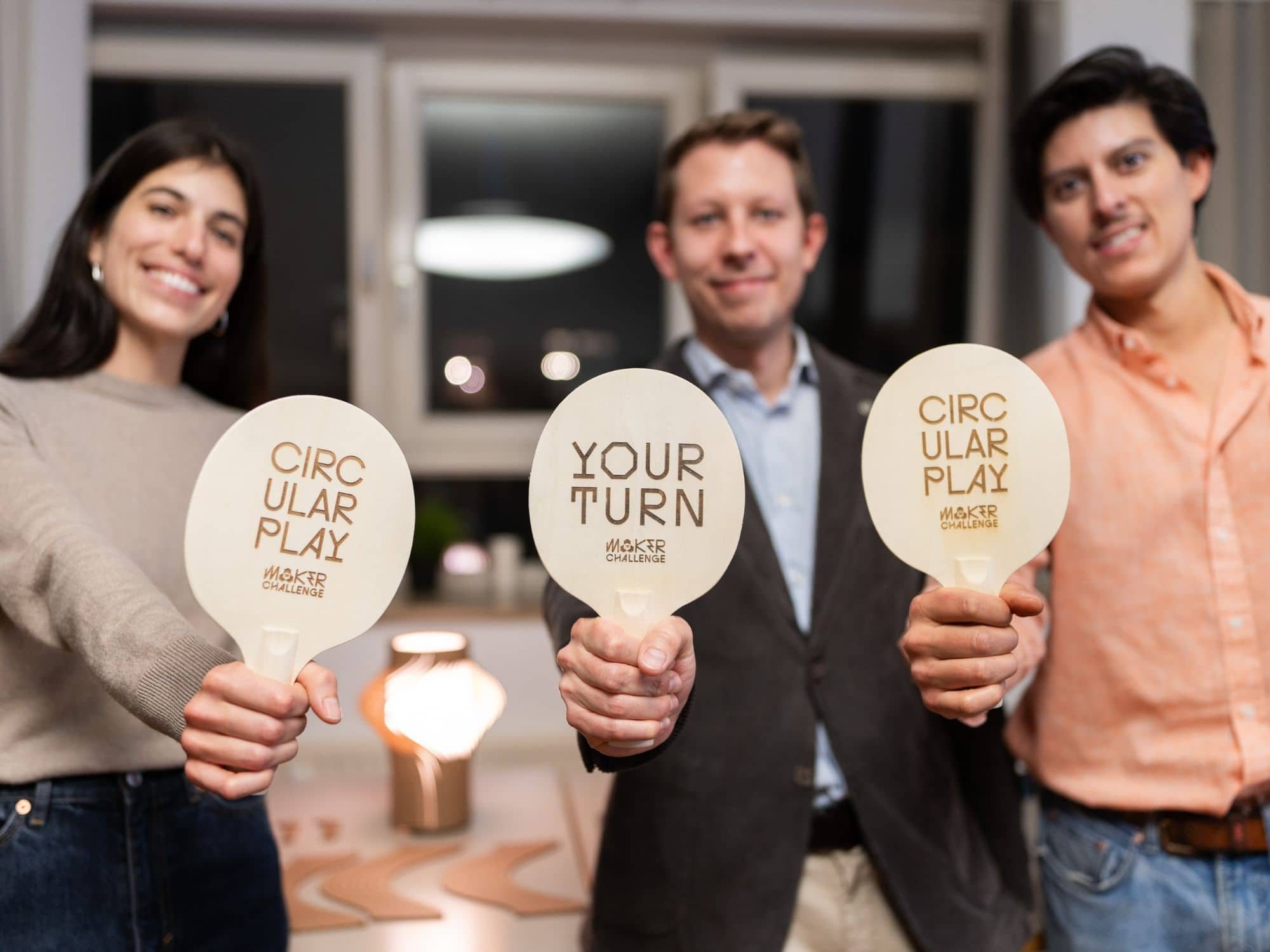
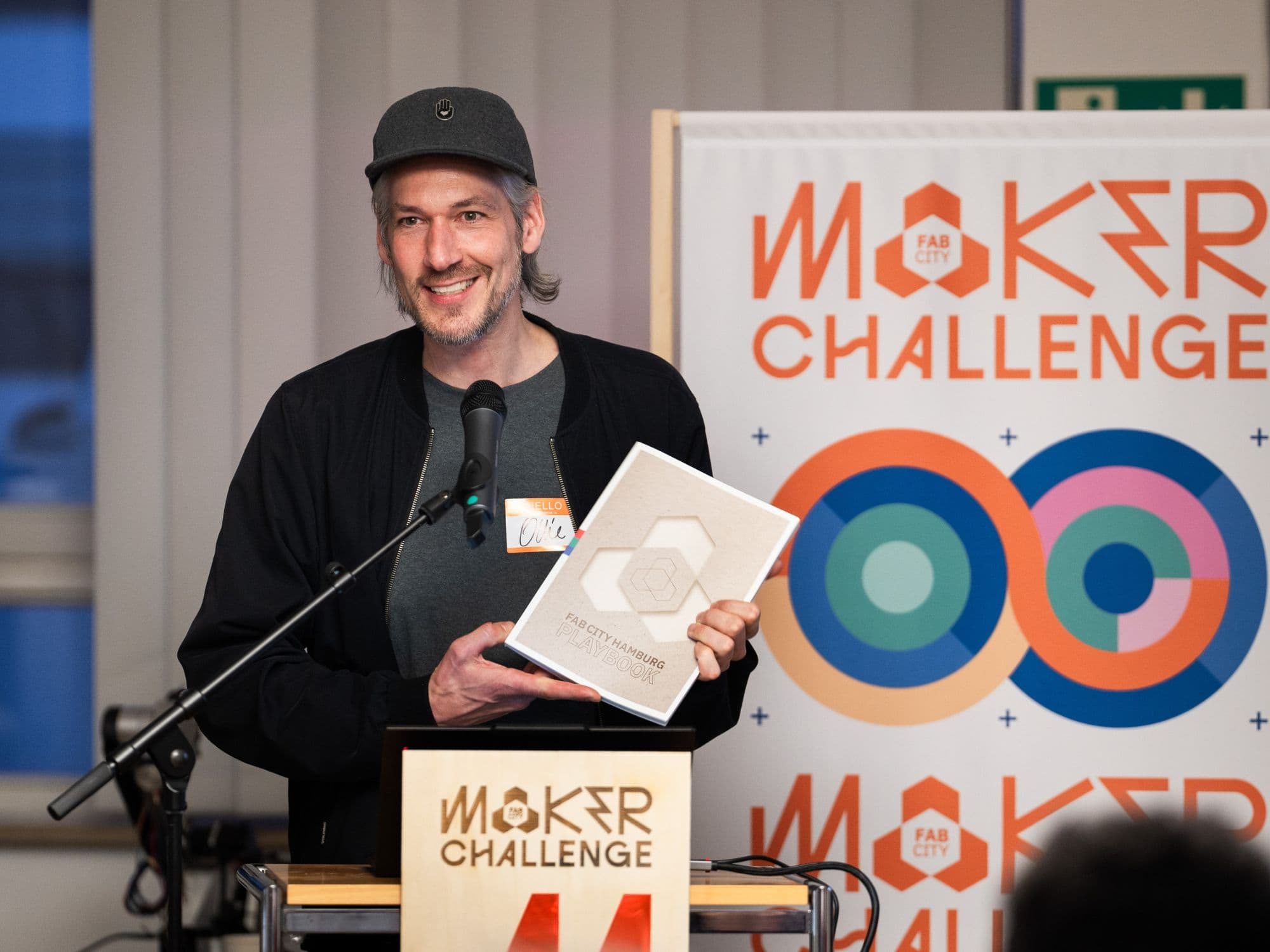
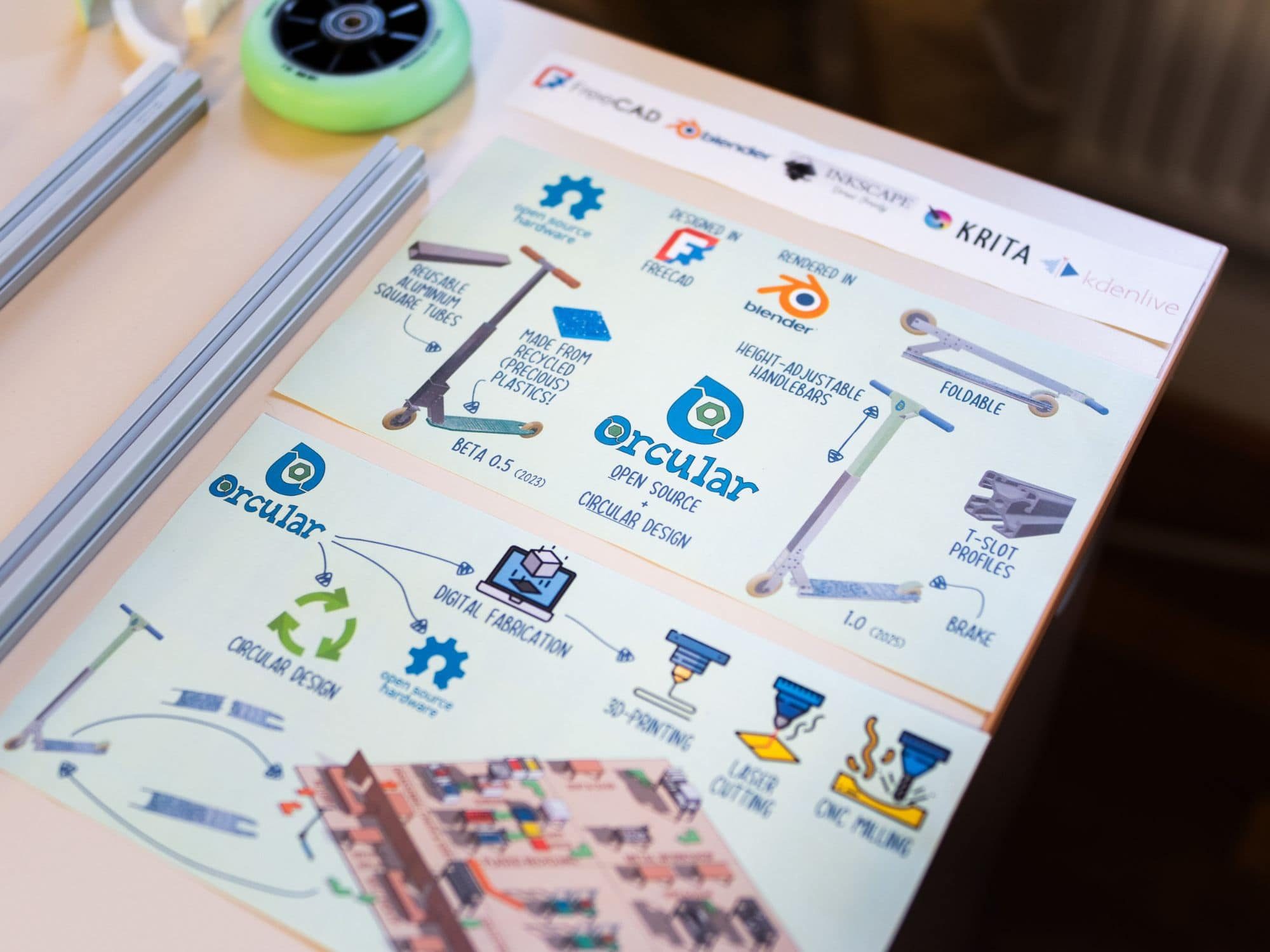
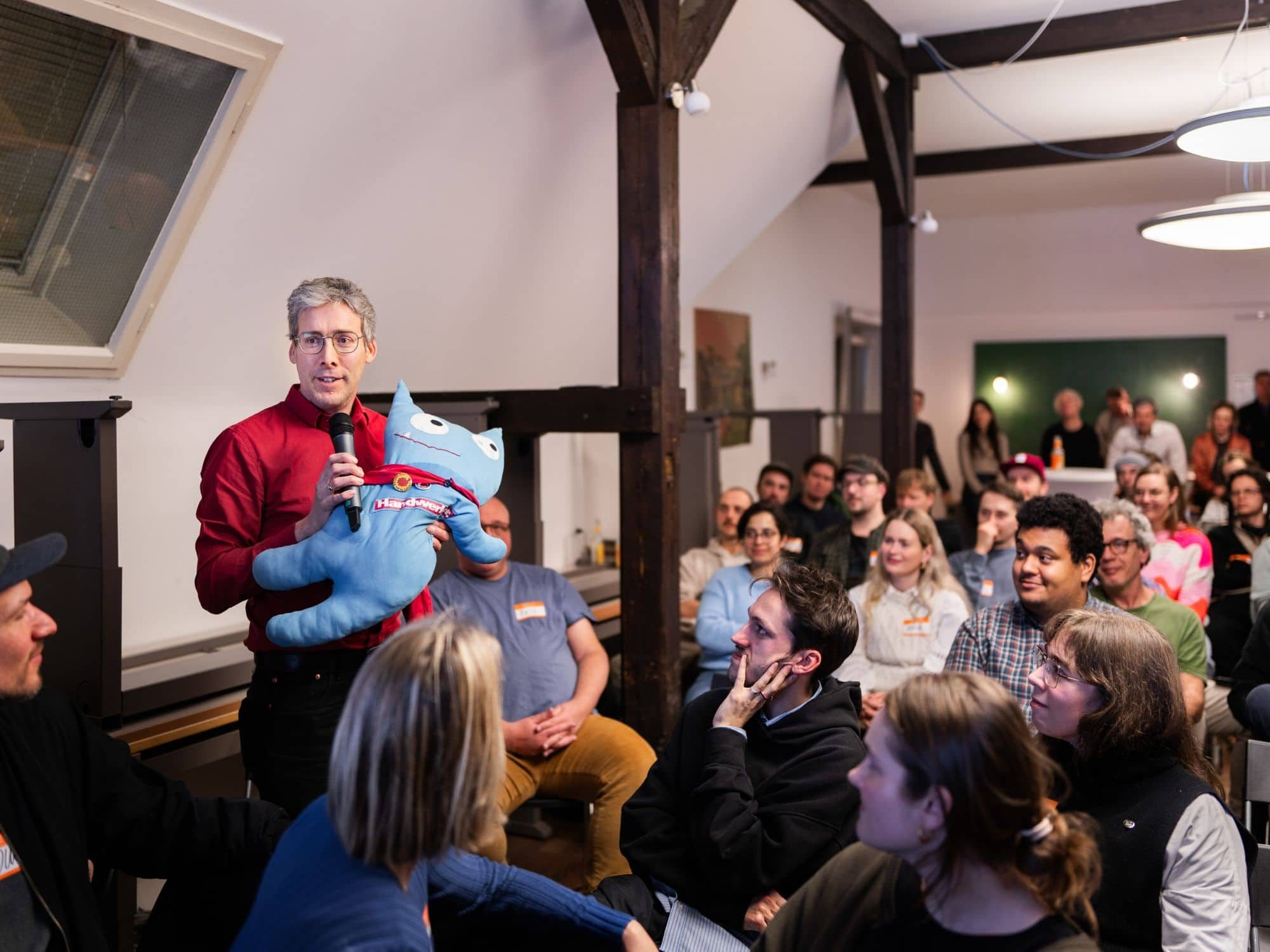
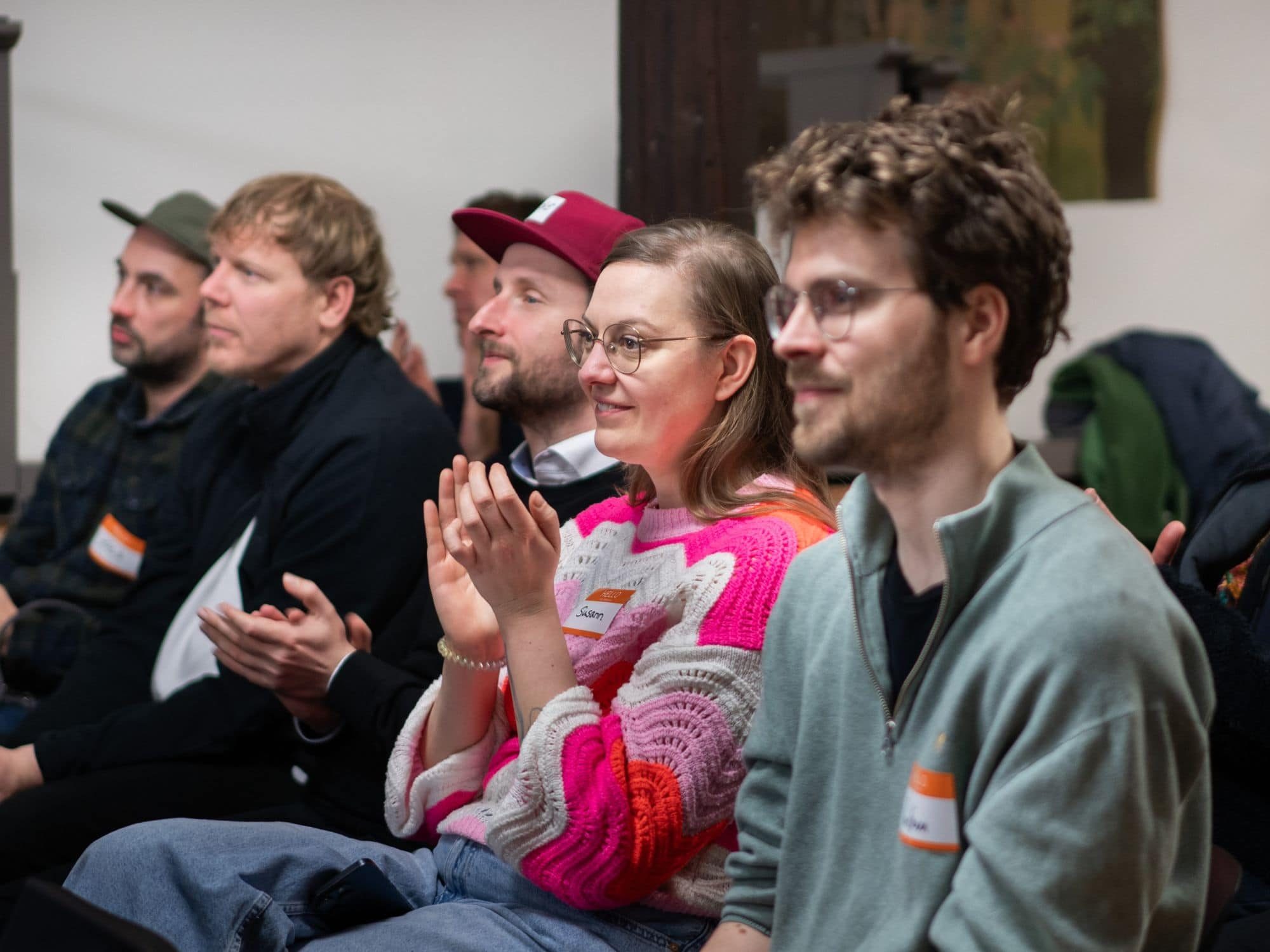
At the accompanying meetup on February 26, three key perspectives on circular design were discussed together in the community with citizens, makers, and designers—from material-based prototype development to systemic design to cradle-to-cradle strategies in practice.
Cardboard beats pixels –
design for human nature
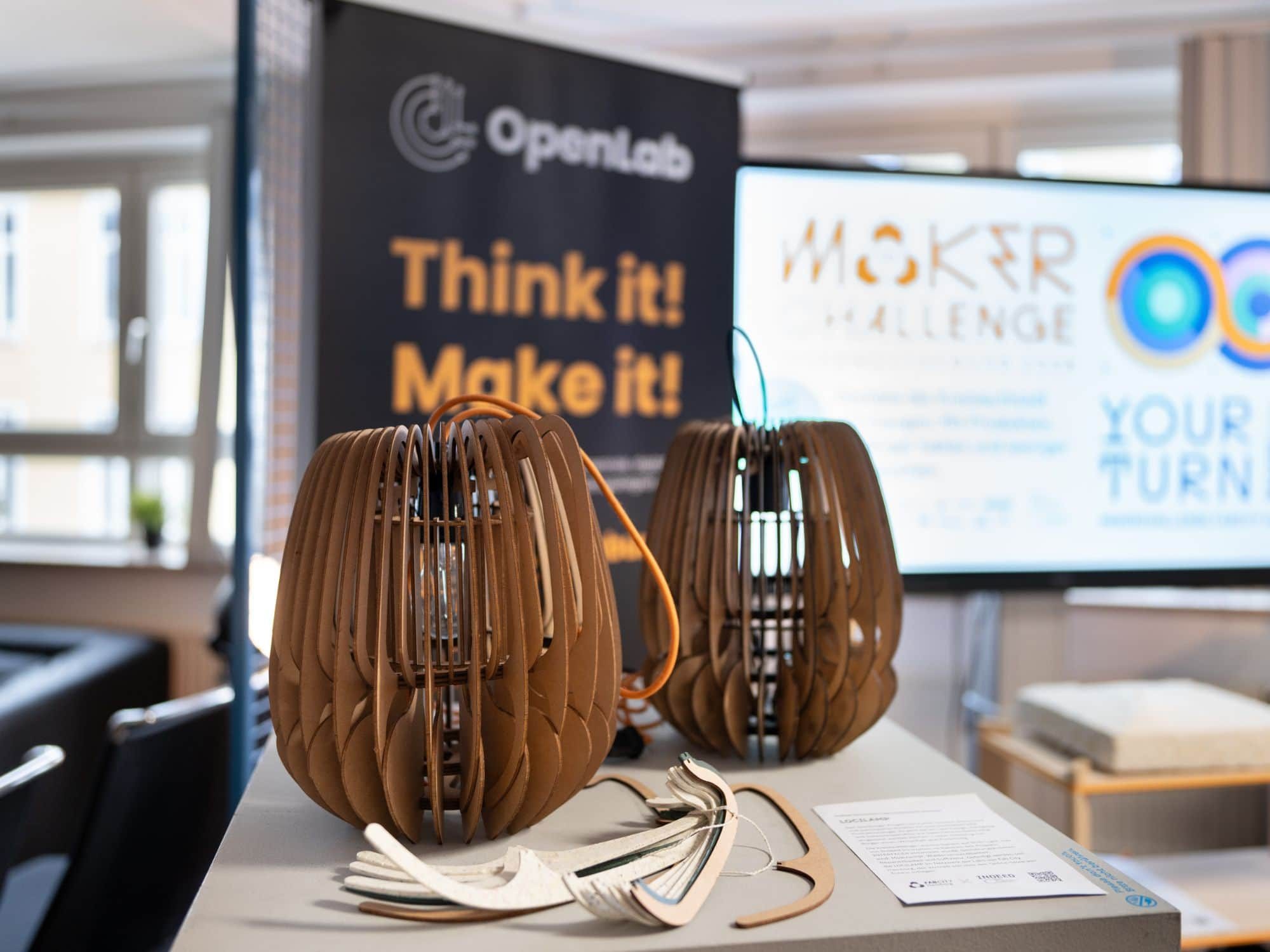
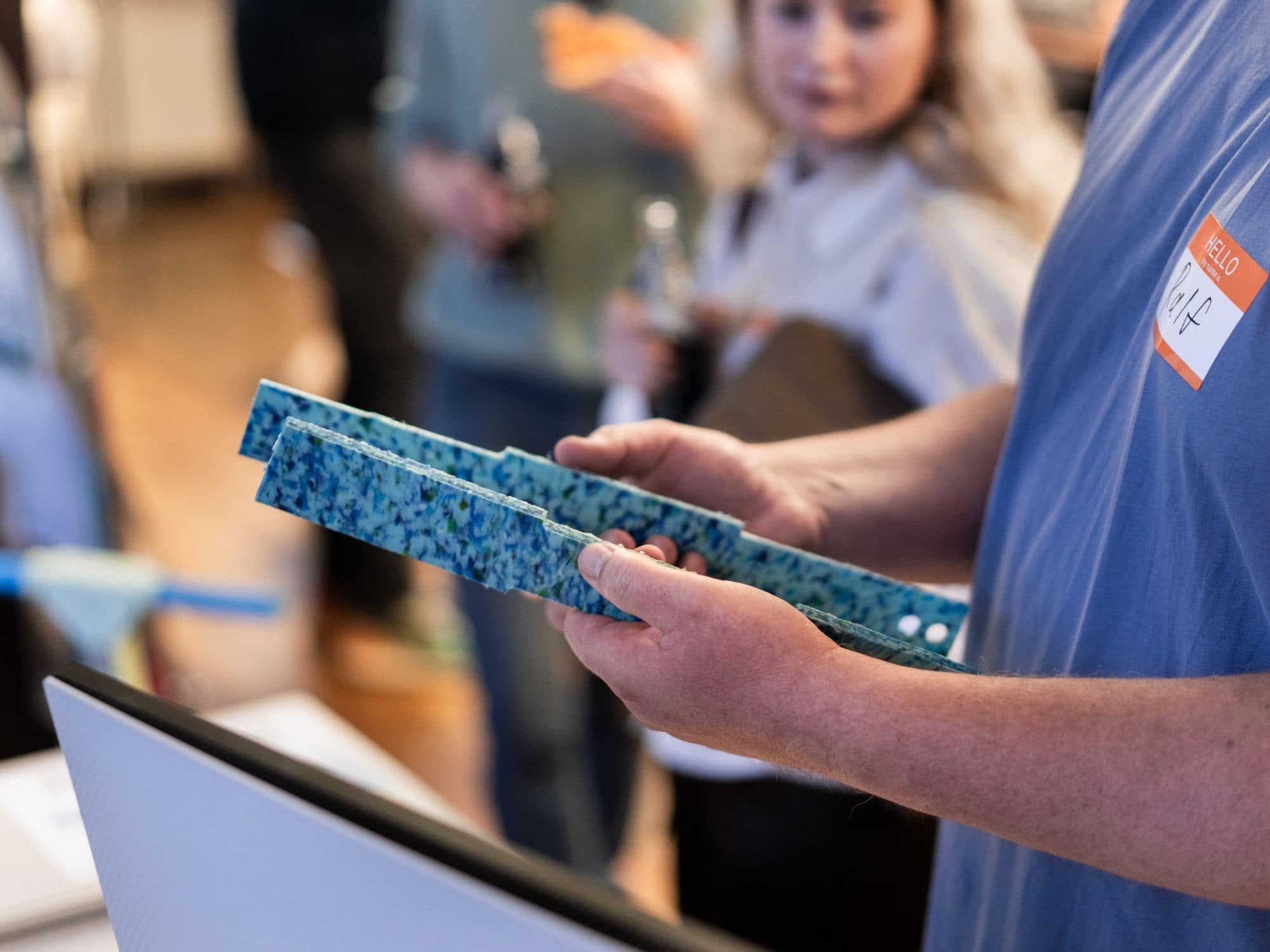
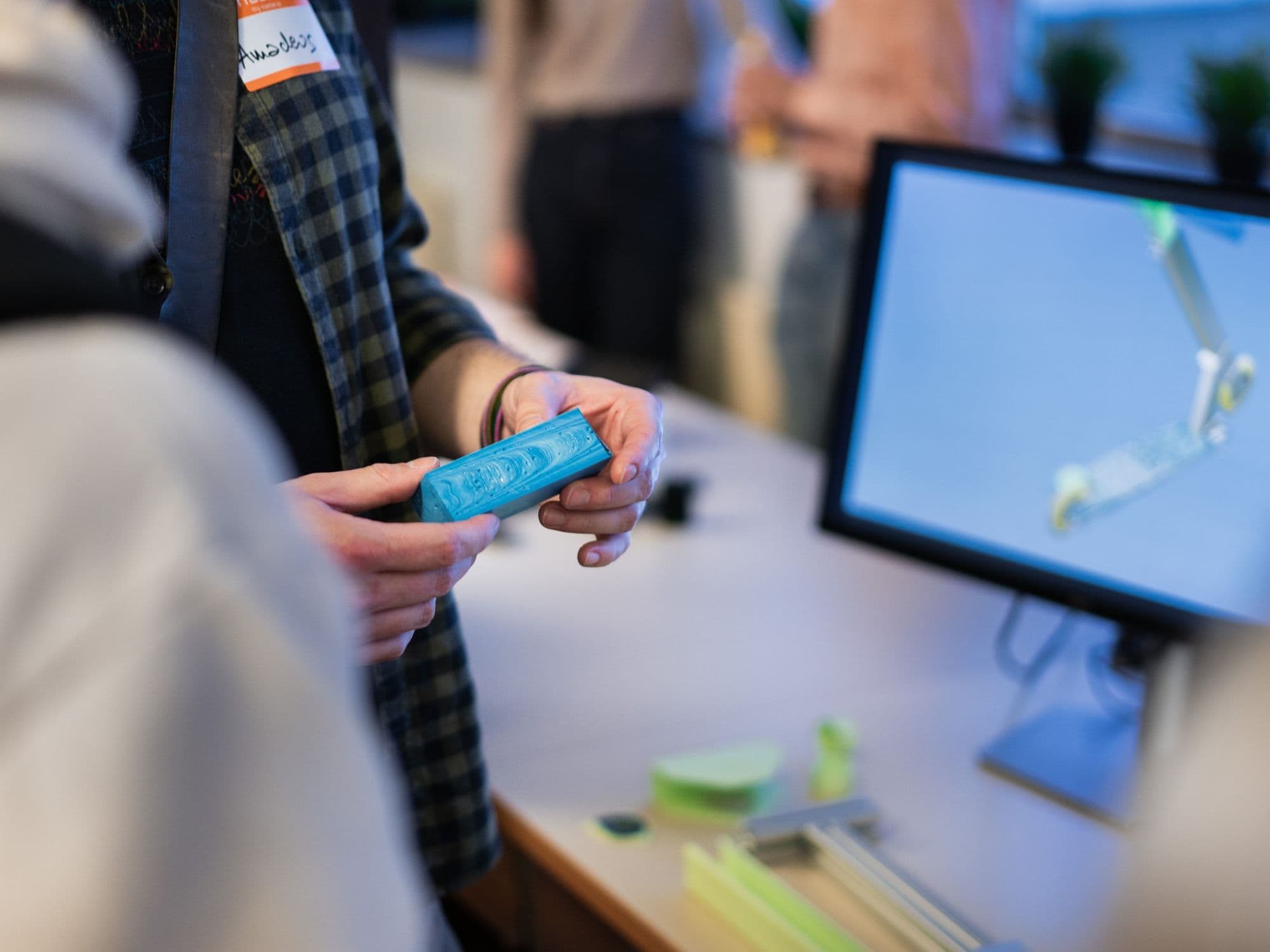
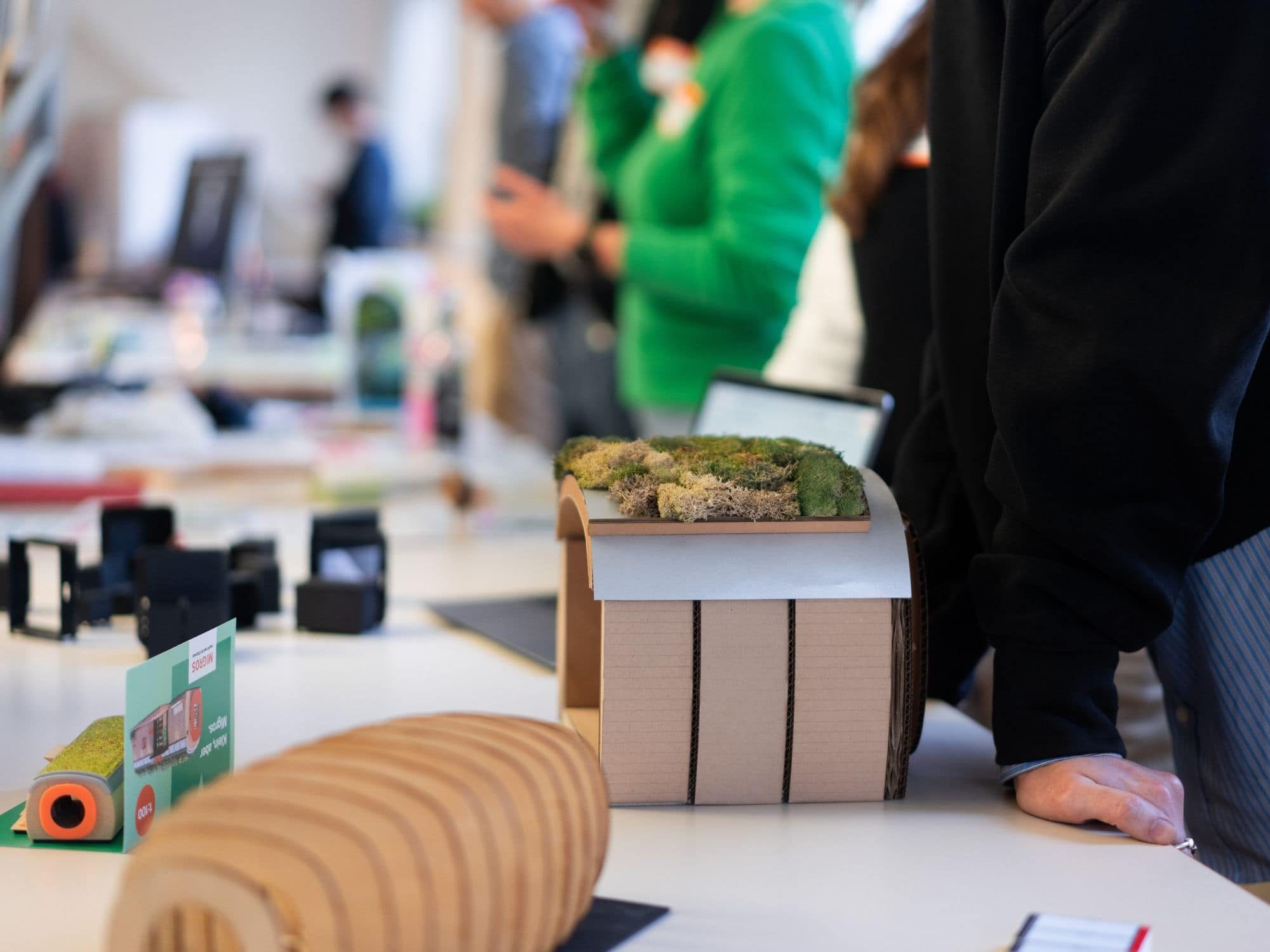
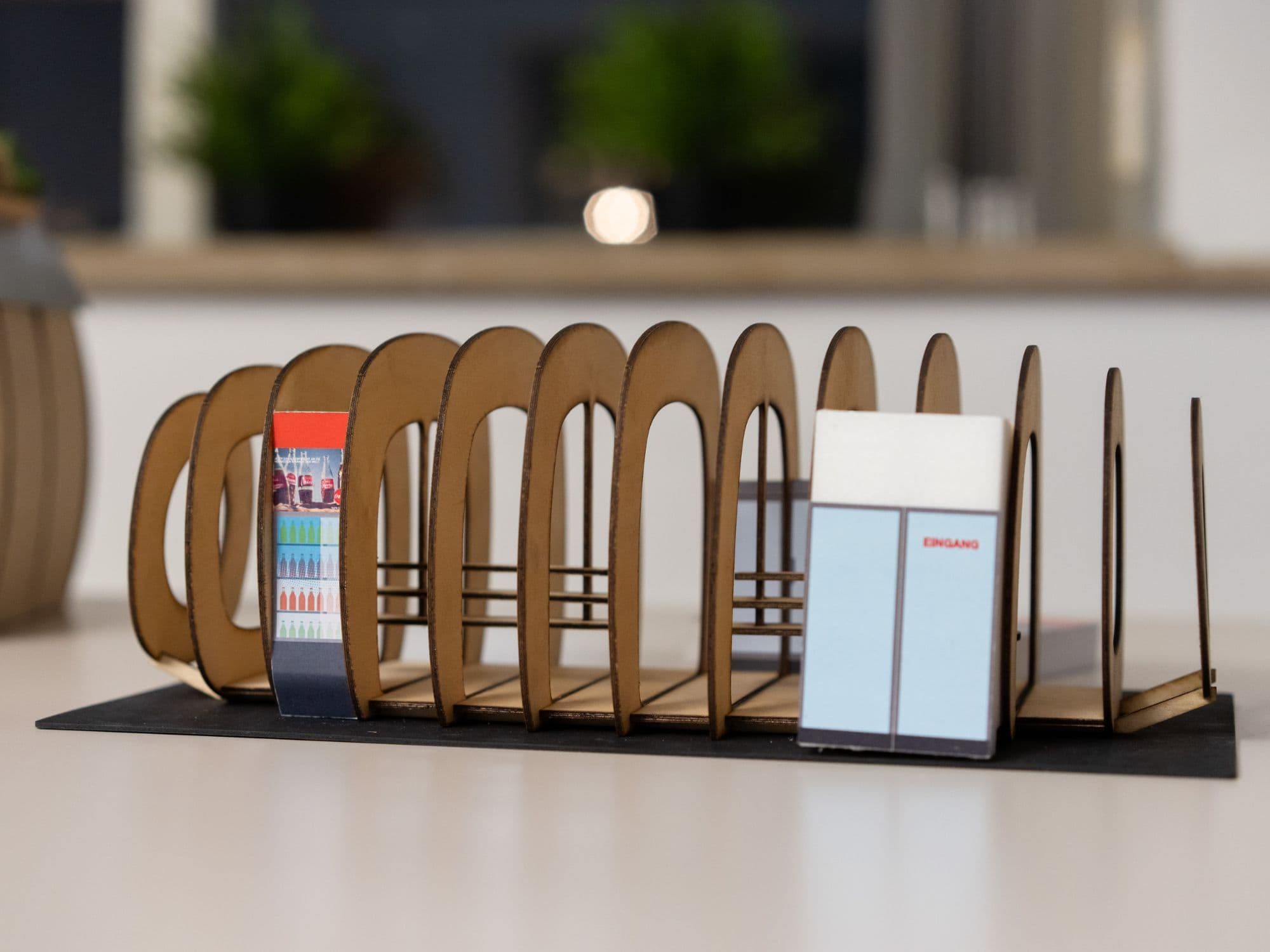
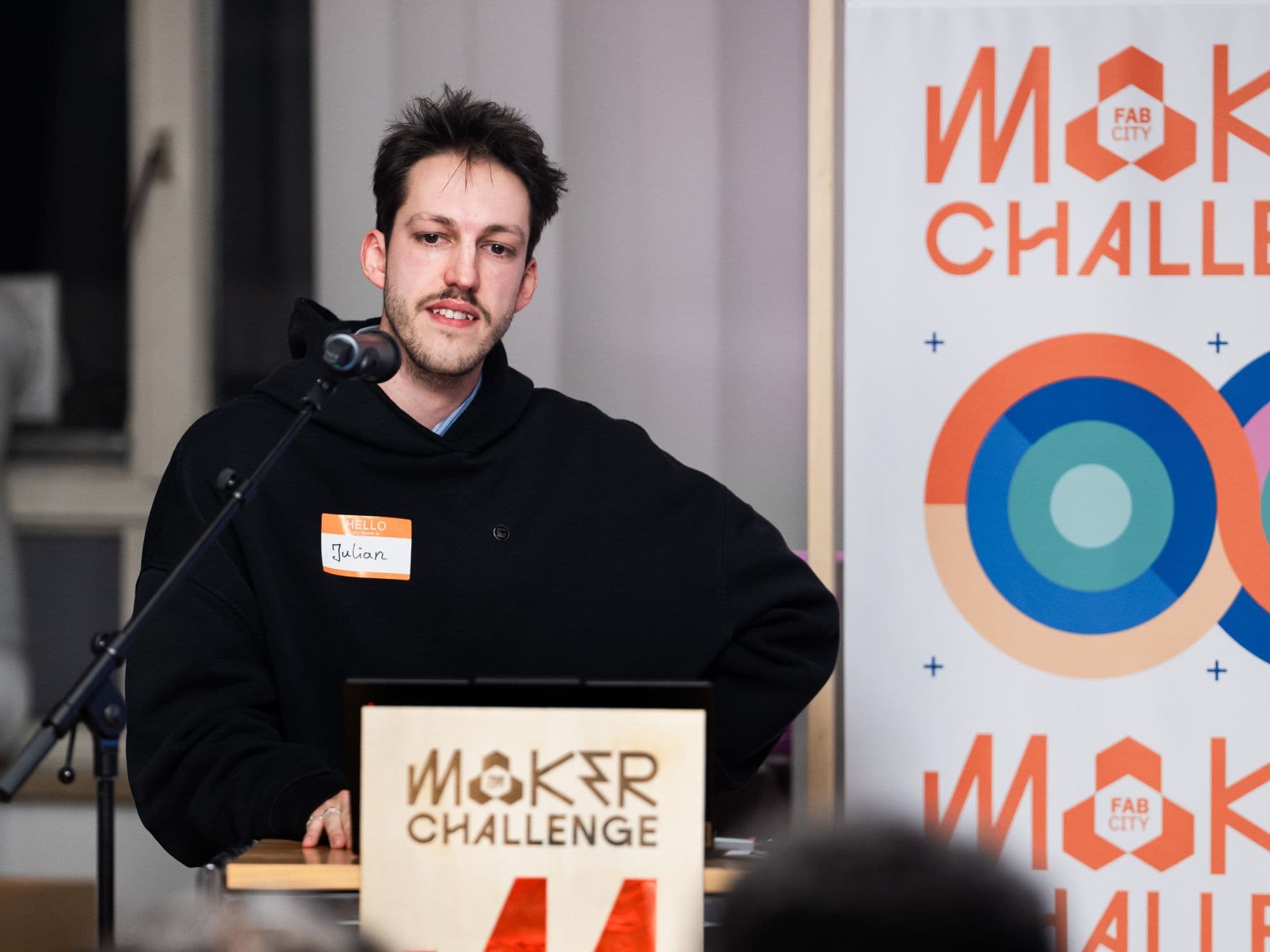
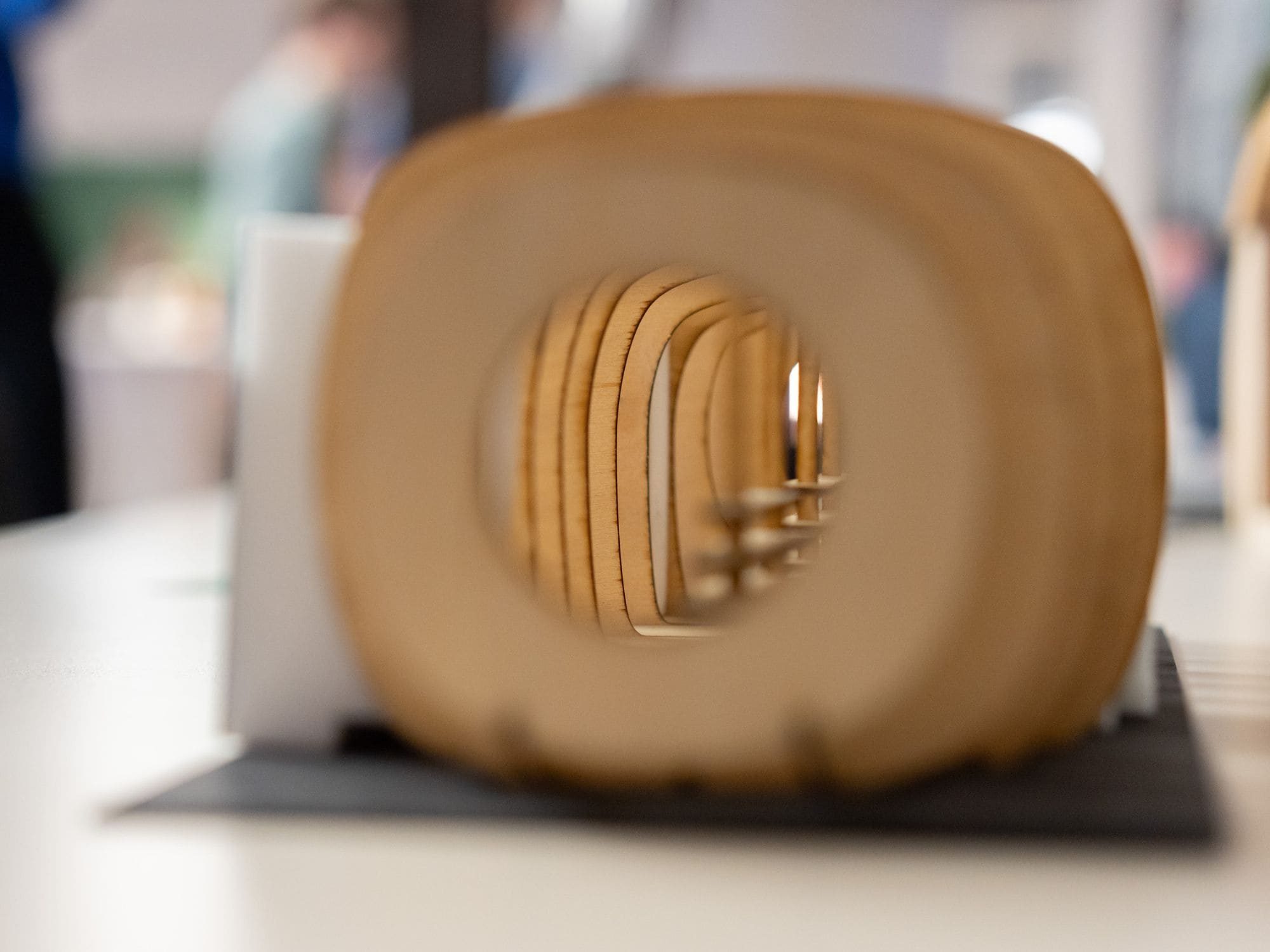
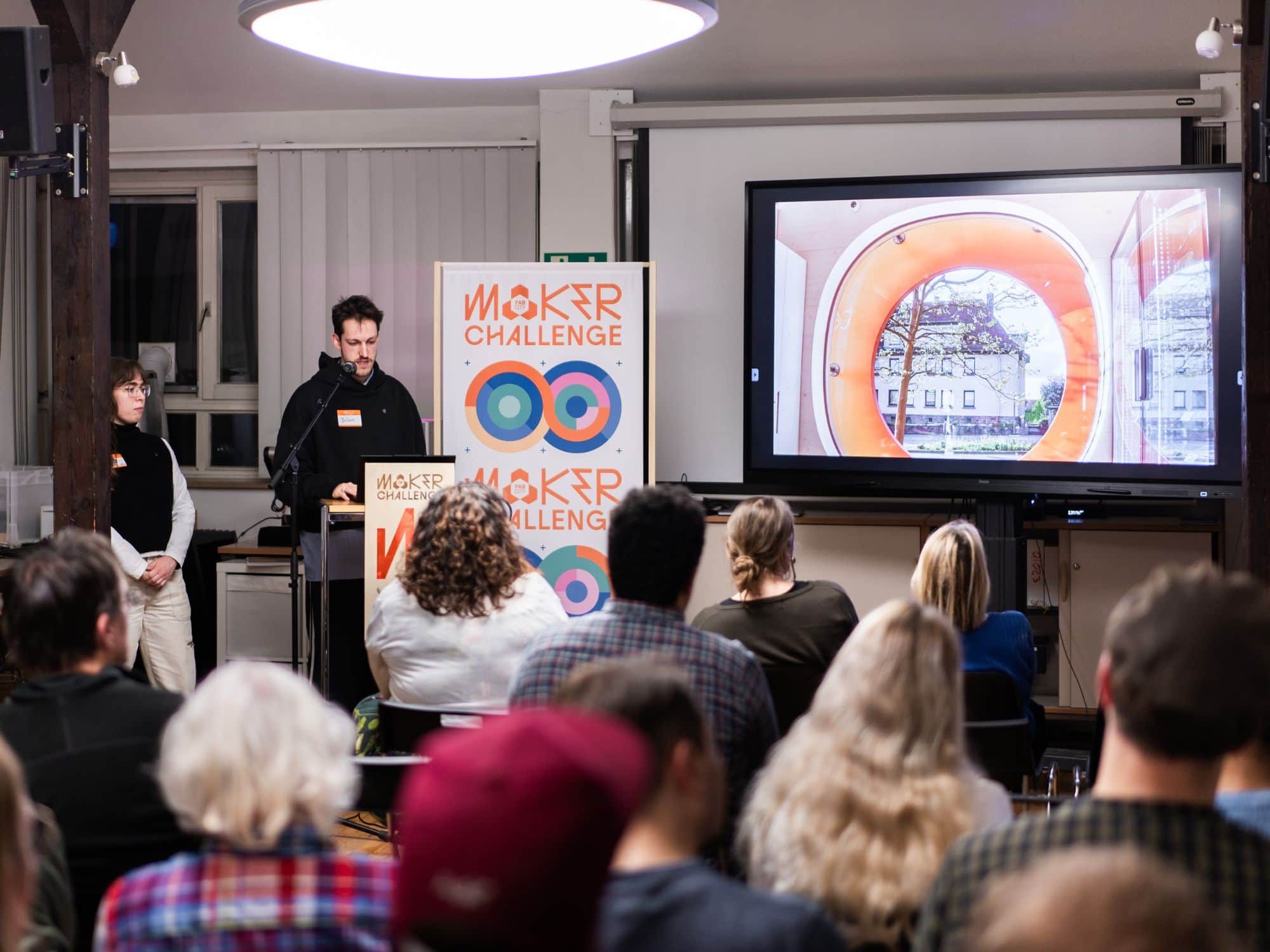
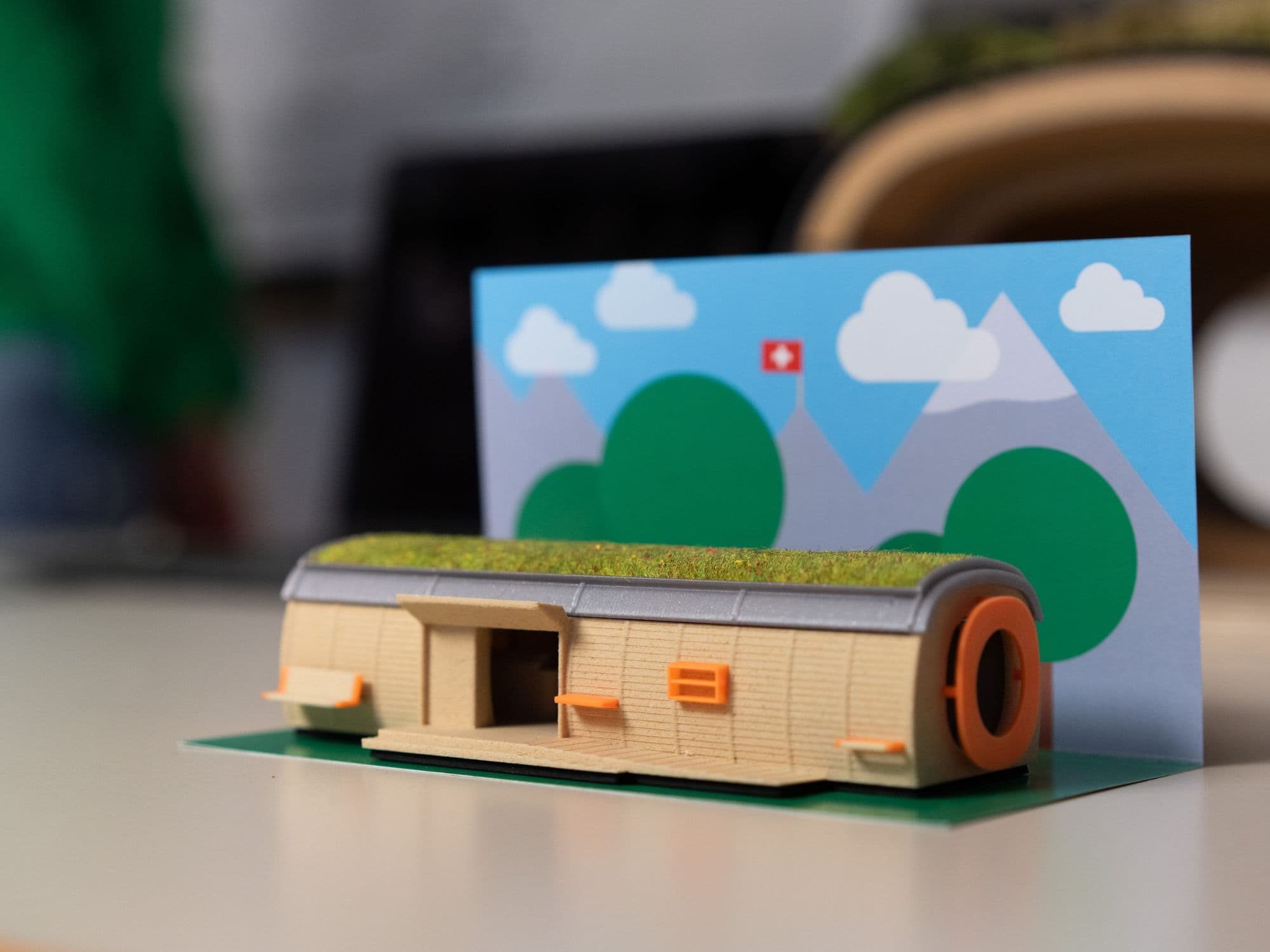
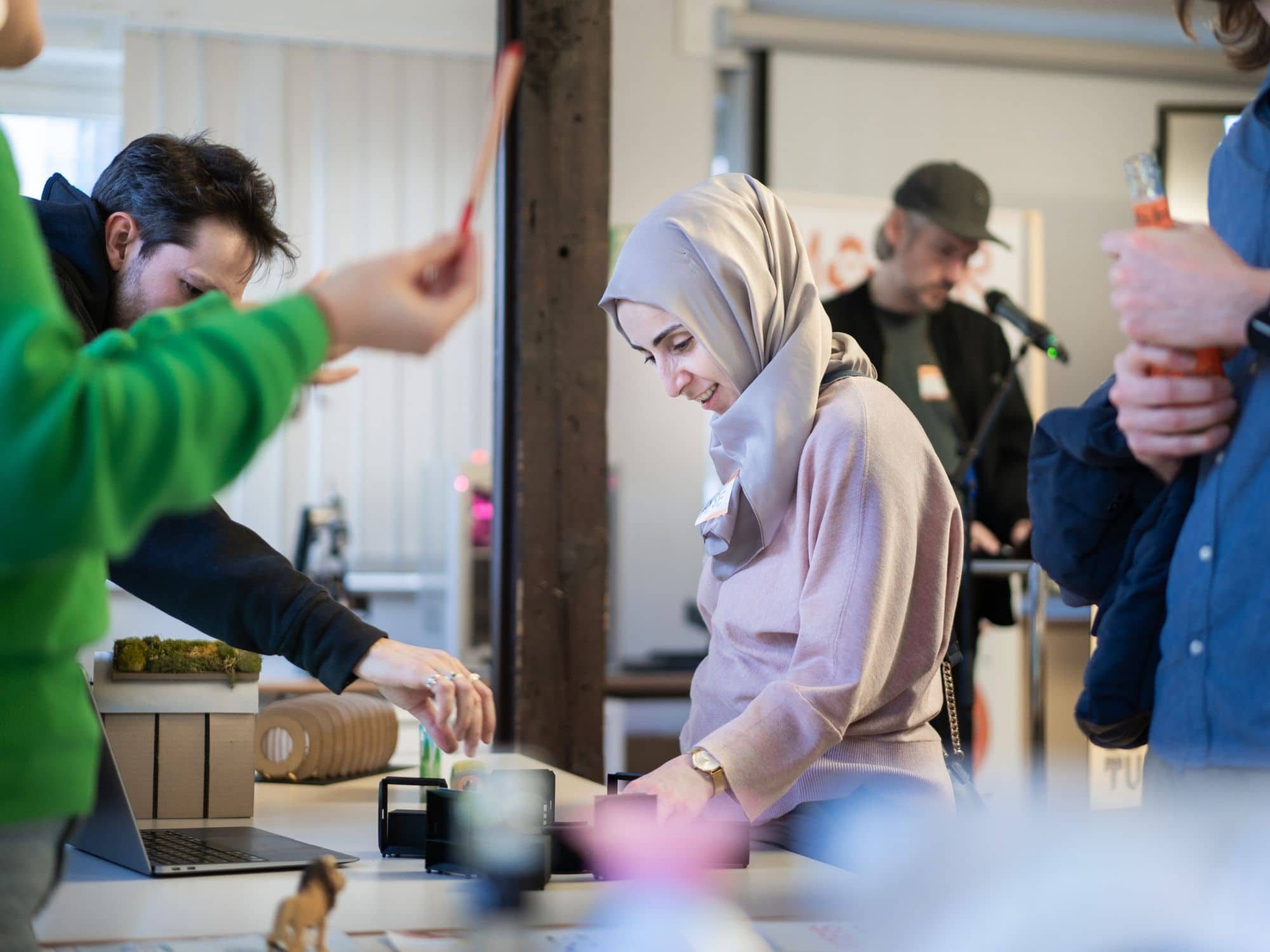
Hélène Fontaine and Julian Breitschmid from design for human nature demonstrated how physical prototyping contributes to knowledge generation. In their prototyping garage and at their desks, they use models made of cardboard, wood, and everyday materials to solidify design decisions at an early stage.
This practice shows that analog models raise questions that digital simulations do not, and encourage reflection on use, form, and function. Prototypes thus become epistemic tools—they make the needs of future users tangible and shift the decision-making logic from the late optimization process to the beginning of the design.
Takeaway for the MAKER CHALLENGE: Ideas do not have to be fully developed; what matters is the start of an exploratory process that enables iterative learning loops.
Systemic cycle design – Indeed Innovation
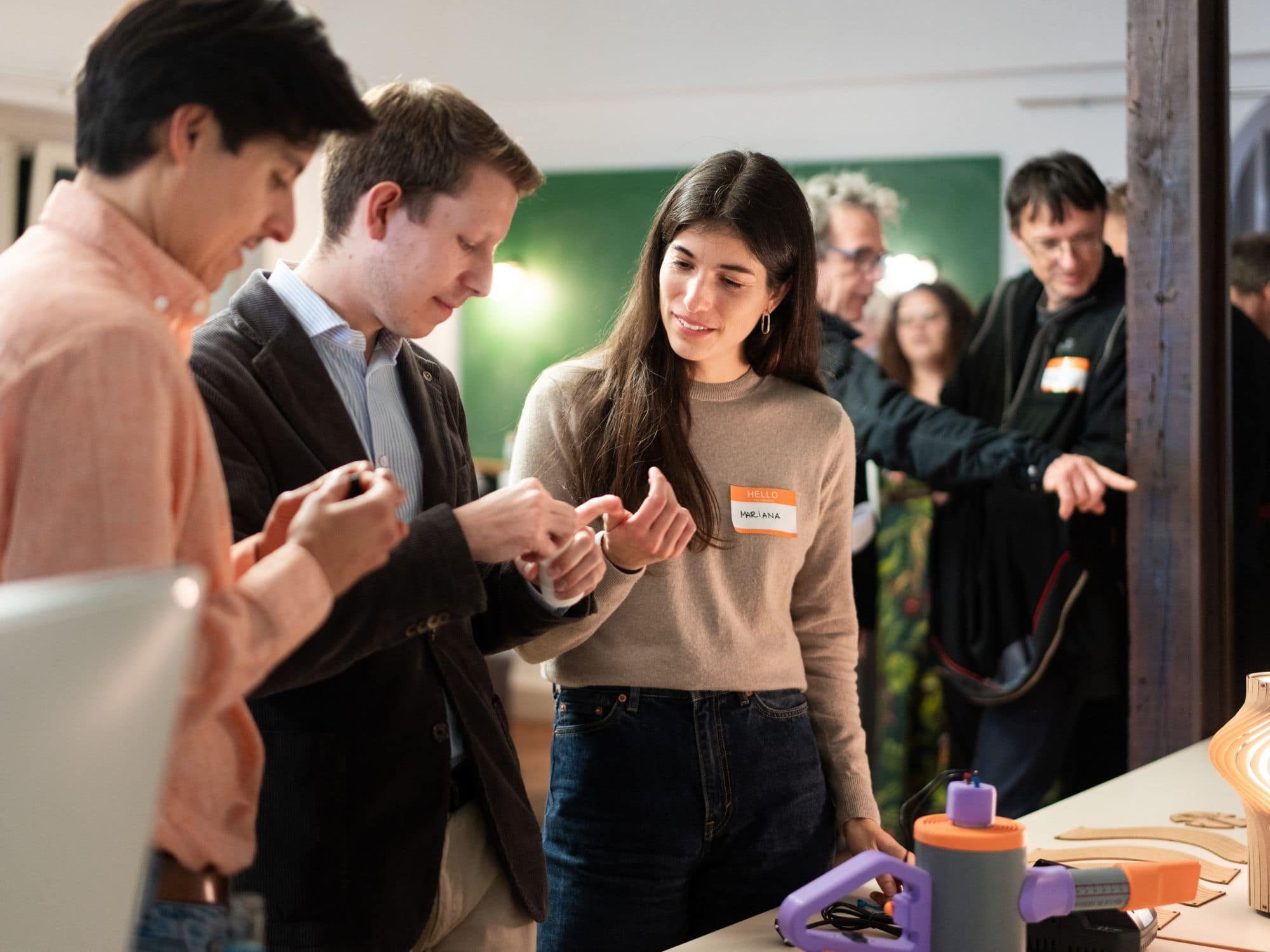
Mariana Yzusqui Burkard from Indeed Innovation addressed the strategic dimension of circular product development. The key insight is that 80% of a product’s environmental impact is determined during the design phase, long before production or recycling become relevant.
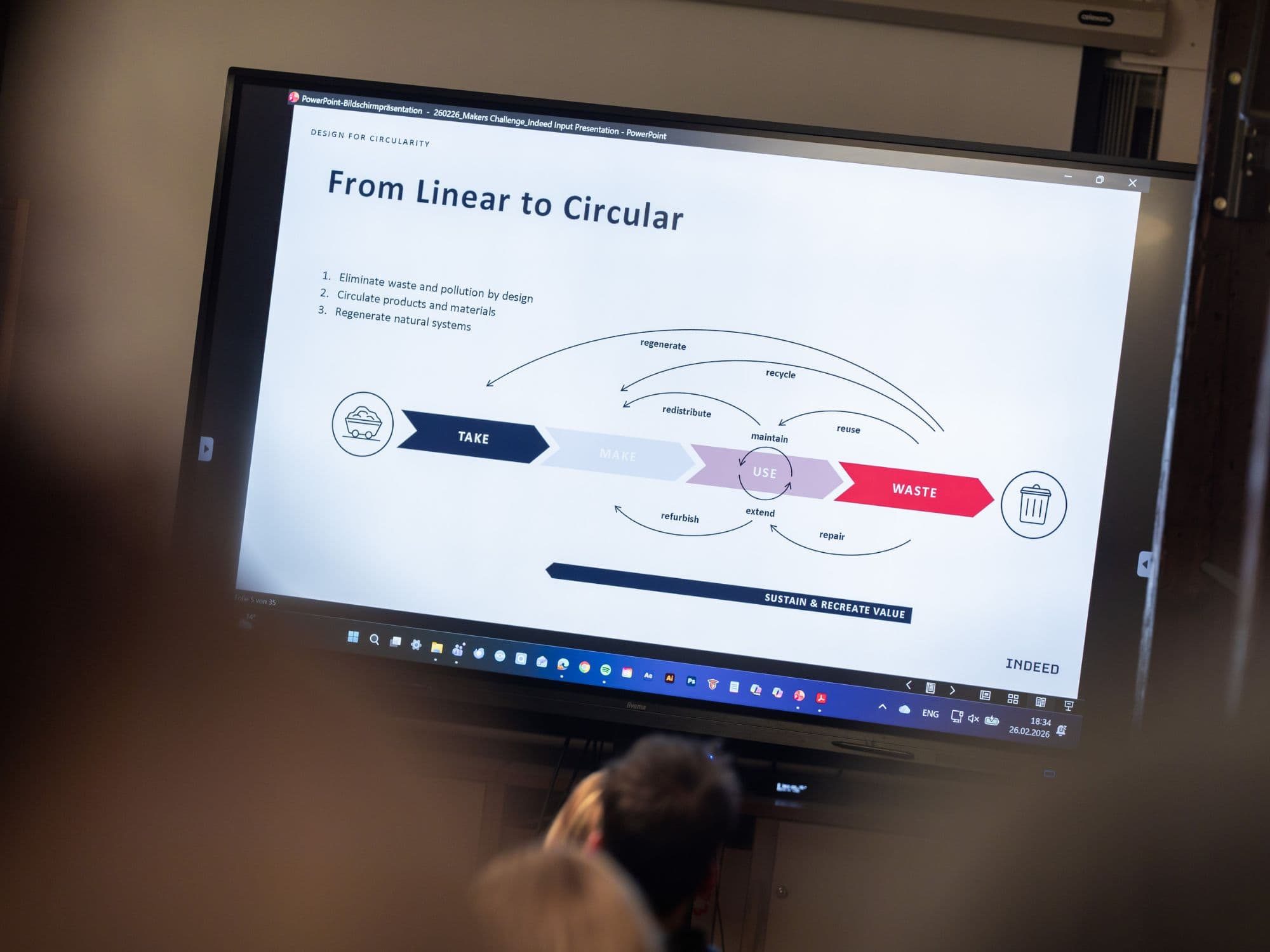
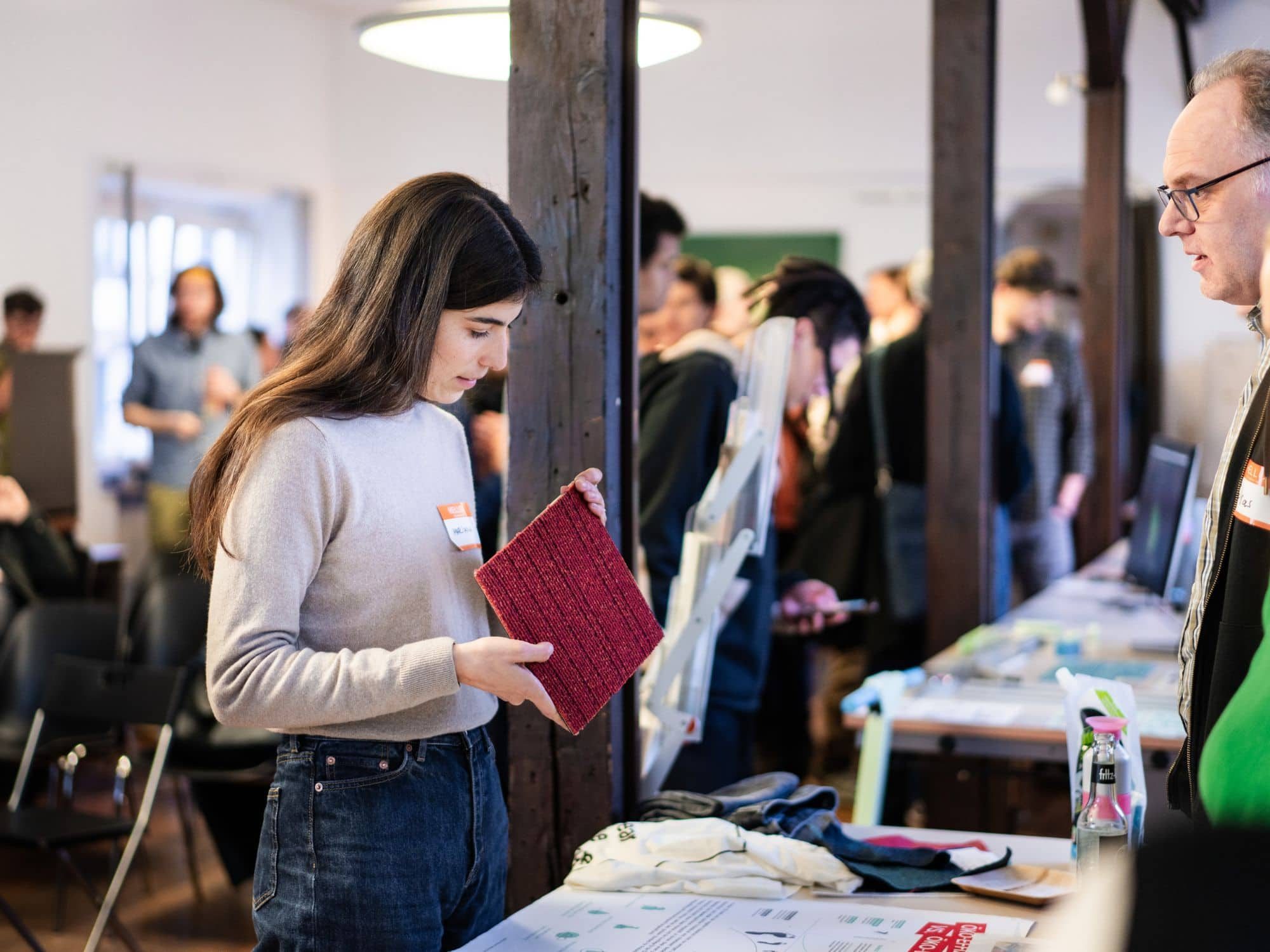
Everyday products—from razors and sneakers to cordless drills—were used to illustrate how important it is to think of life cycles not as linear processes, but as cycles. Material selection, modularity, reparability, and business models play a key role in using resources efficiently and minimizing waste.
Implication for the MAKER CHALLENGE: Even small circular elements or approaches to longevity have a significant impact when consistently integrated into the design process.
Cradle to Cradle – Principle-driven design right from the start
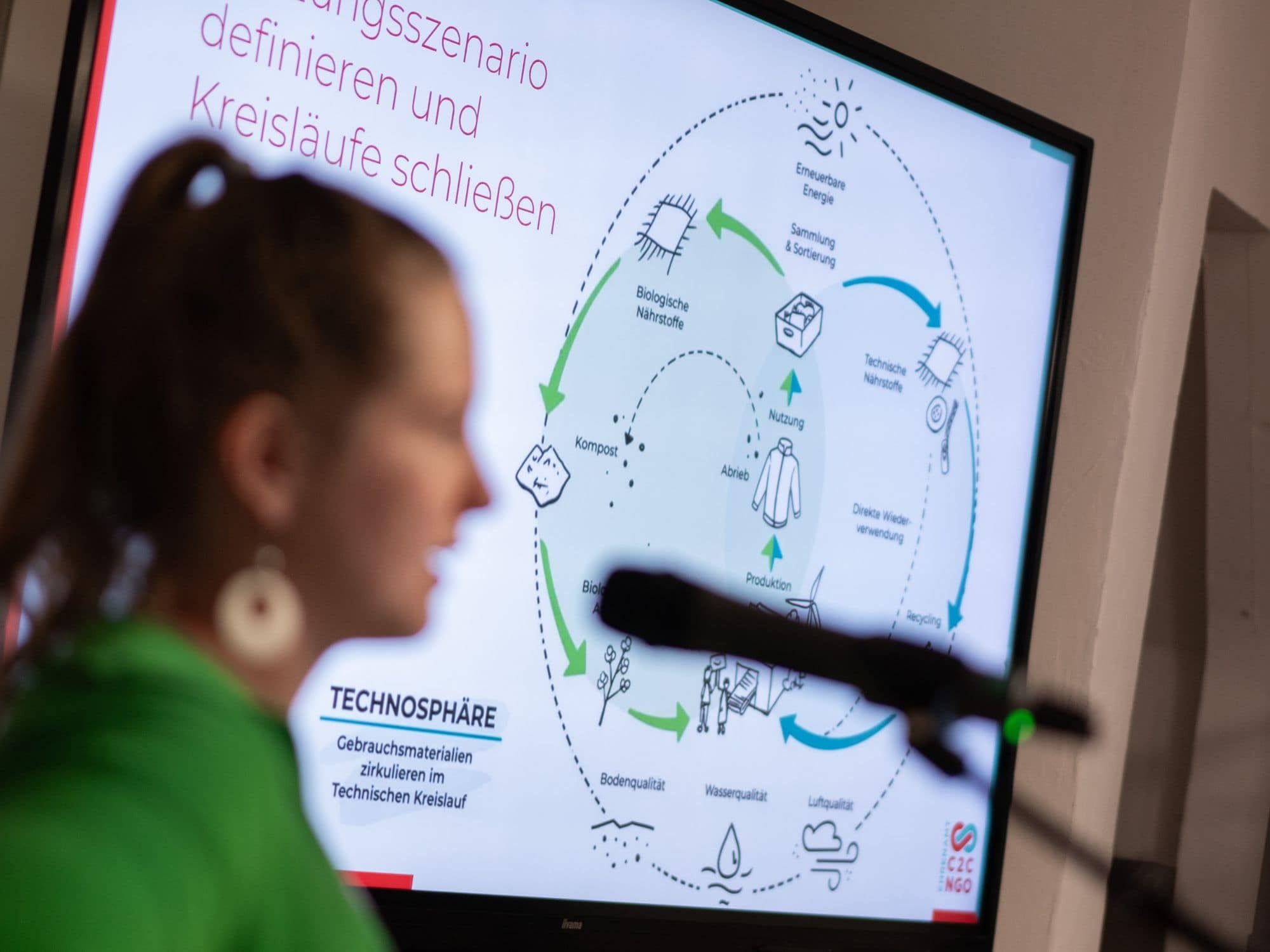
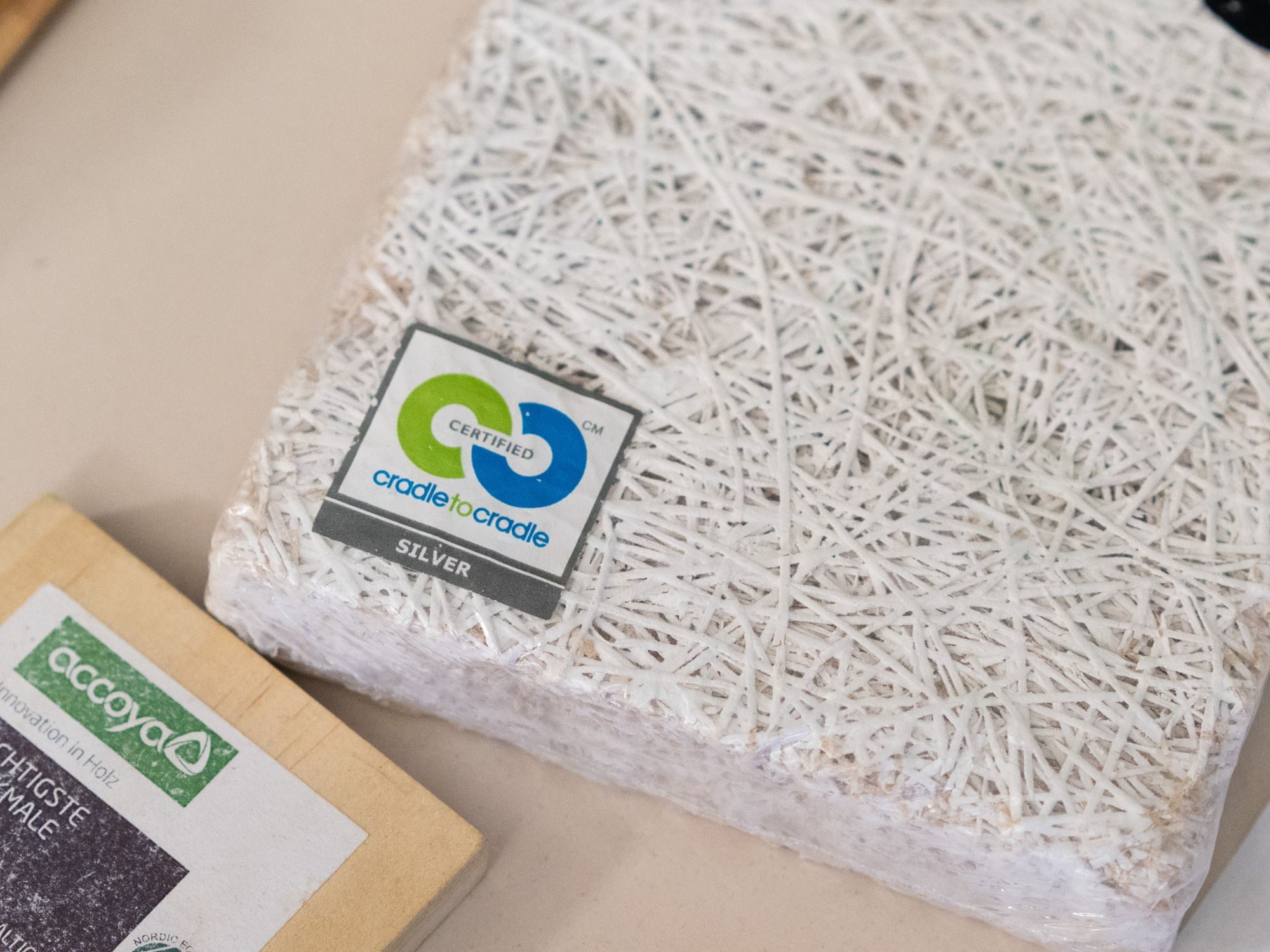
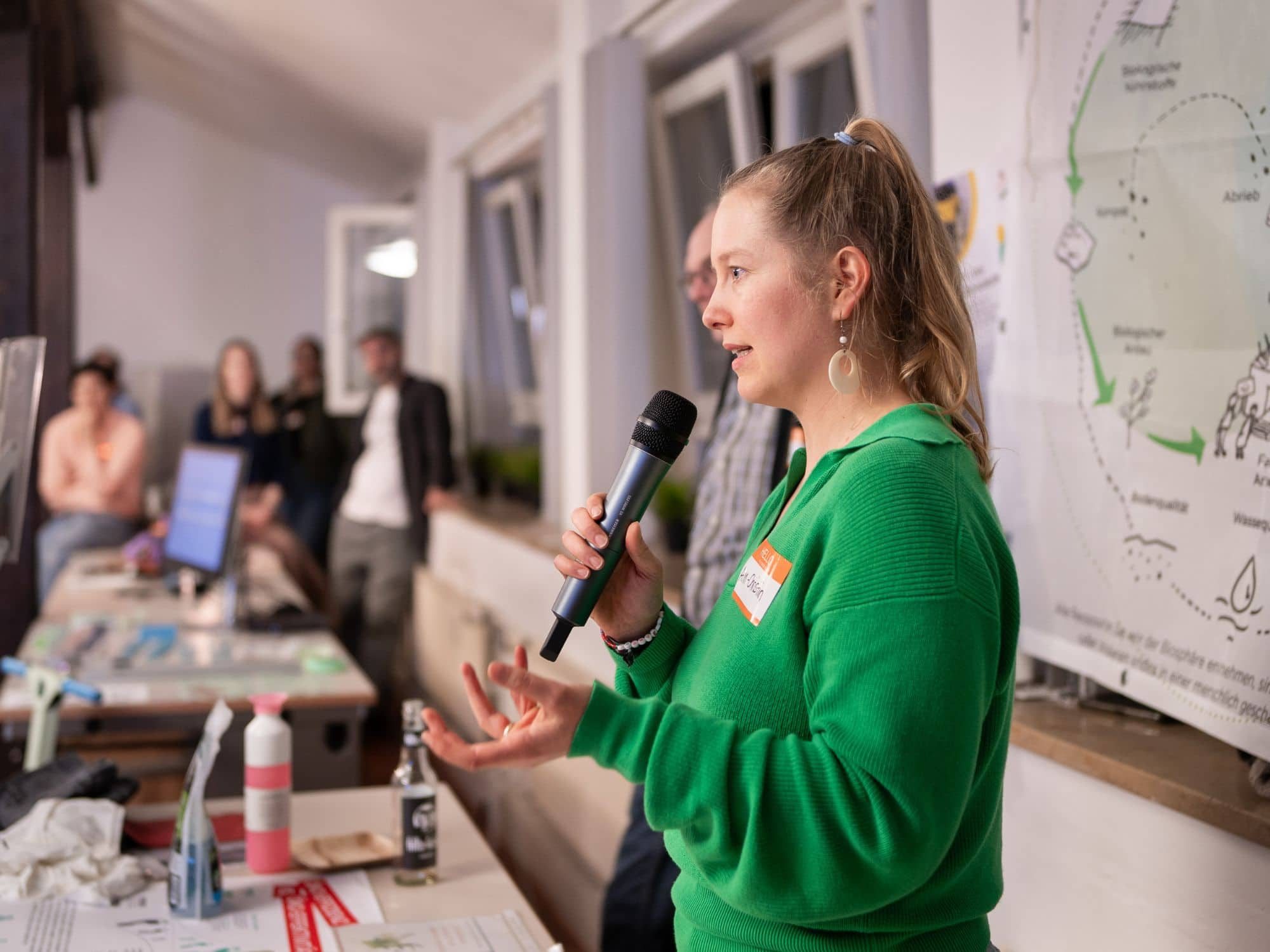
The Hamburg regional group of the Cradle to Cradle NGO presented the cradle-to-cradle approach, which envisages a consistent circular economy right from the start of the product life cycle. Recycling alone is not enough; materials should be designed in such a way that they remain in biological or technical cycles and create both ecological and economic value.
C2C thus combines ecological sustainability with economic profitability and makes it clear that decisions about materiality and construction must be made at the beginning of the life cycle.
Takeaway for participants: Implementation begins with an idea that thinks in terms of circularity—an approach that can inspire both small product innovations and larger system solutions.
Regional innovation ecosystems as drivers of implementation
Prospects for circular product development
The common denominator of the three contributions was the insight that circular design cannot be reduced to material reduction or technological efficiency alone. Rather, it requires:
- Early, hands-on engagement with materials to make design decisions tangible.
- Systemic integration of products into usage systems that support circular business models.
- Principle-oriented design that extends beyond individual products.
In this way, the MAKER CHALLENGE combines scientifically grounded design principles with experimental implementation practices—a key component of a sustainable production culture.The MAKER CHALLENGE is therefore more than just an ideas competition. The ten selected winning projects will be further developed in collaboration with makers, mentors, and partner institutions from the Hamburg metropolitan region.
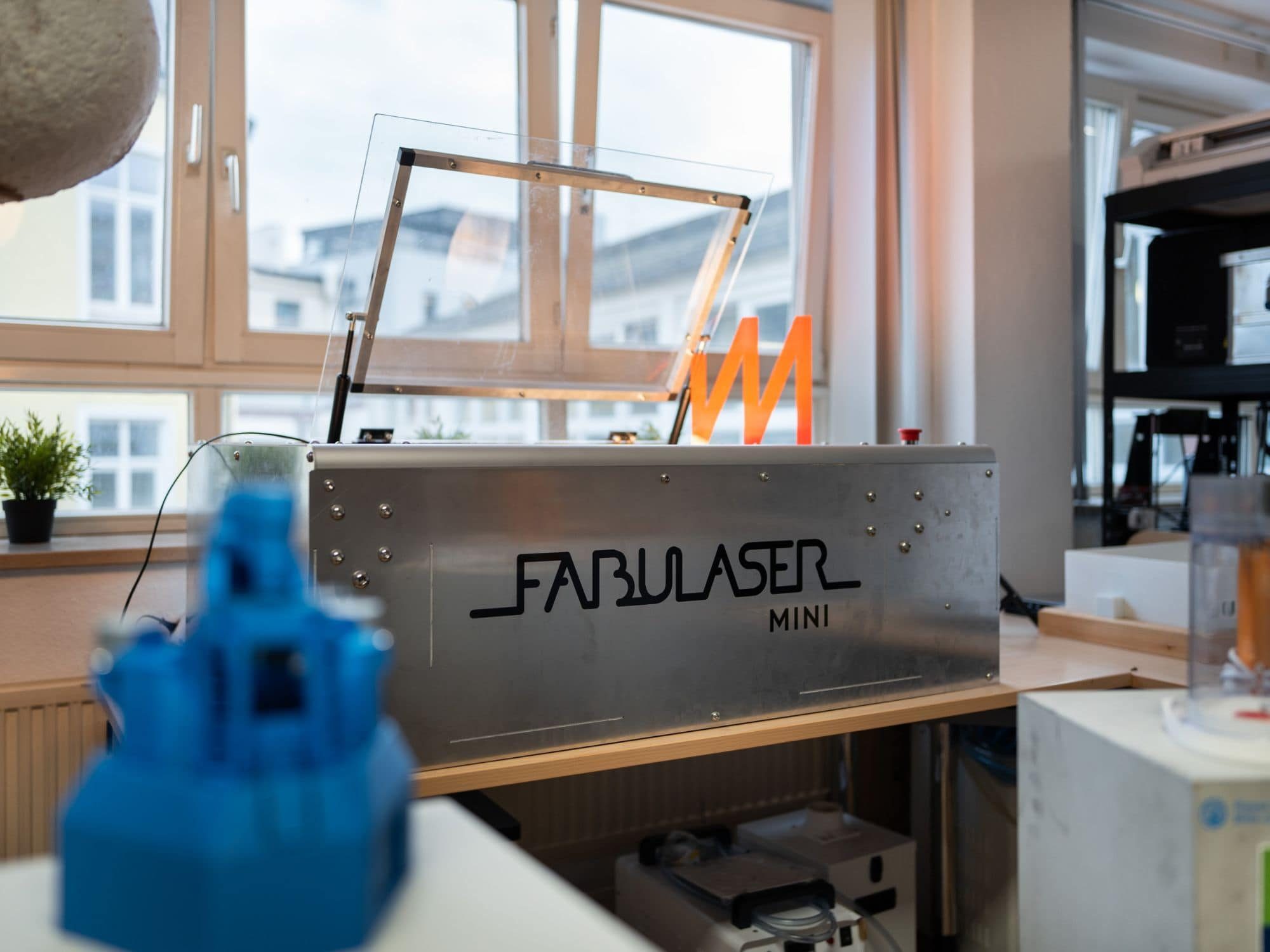
Additive manufacturing, CNC machining, laser cutting, electronics development, and materials expertise create a practical development environment that transforms circular product ideas into functional prototypes.
The submission period has ended, and the results of the community and jury voting can be viewed here:
https://makerchallenge.fabcity.hamburg
—
Photo Credits: All photos on this page were taken during the event by Jan-Marius Komorek and may be used under the CC BY-SA 4.0 license, provided credit is given to the New Production Institute.