From idea to prototype.
71 ideas submitted – 11 prototypes – A circular future for Hamburg!
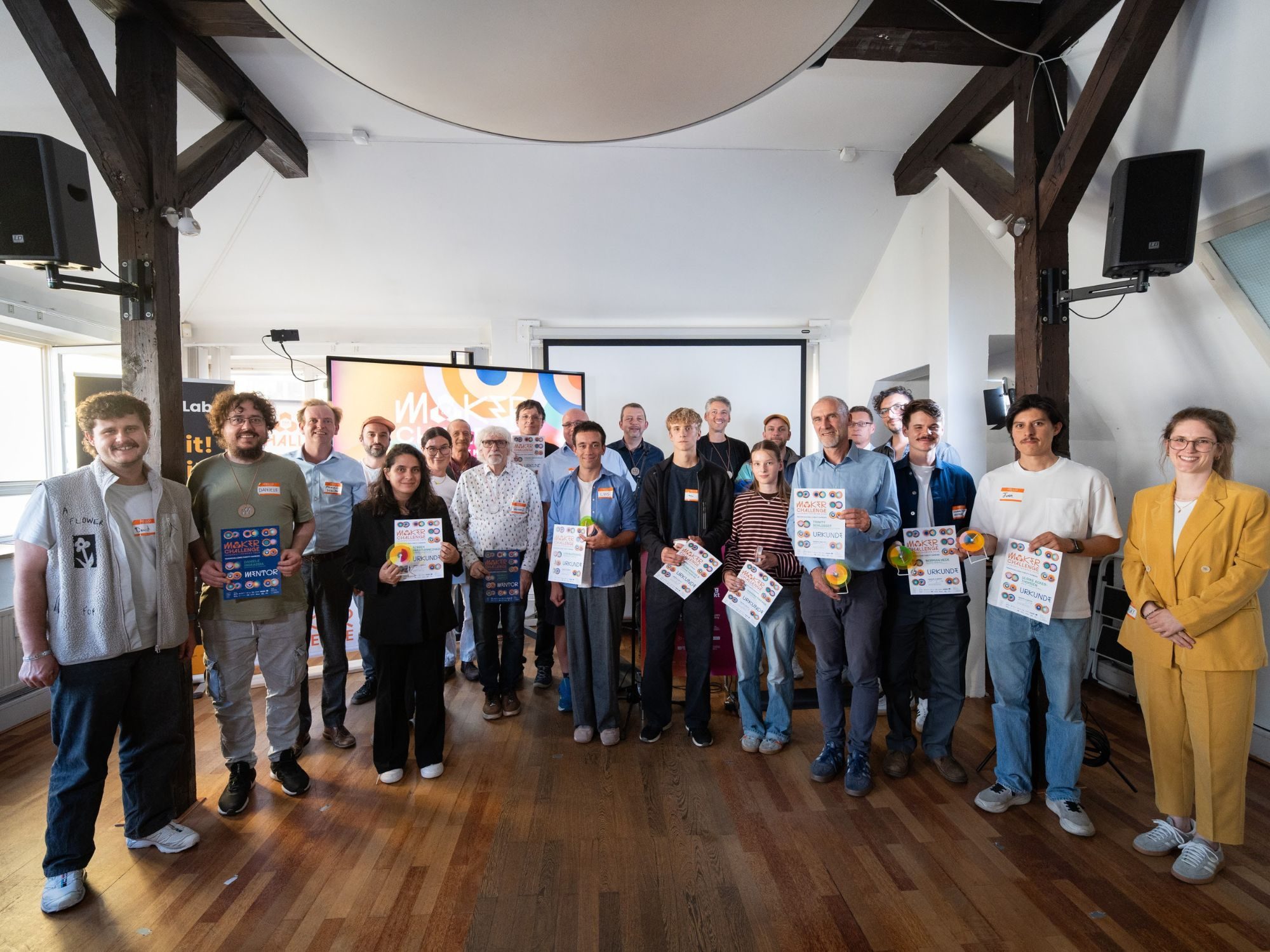
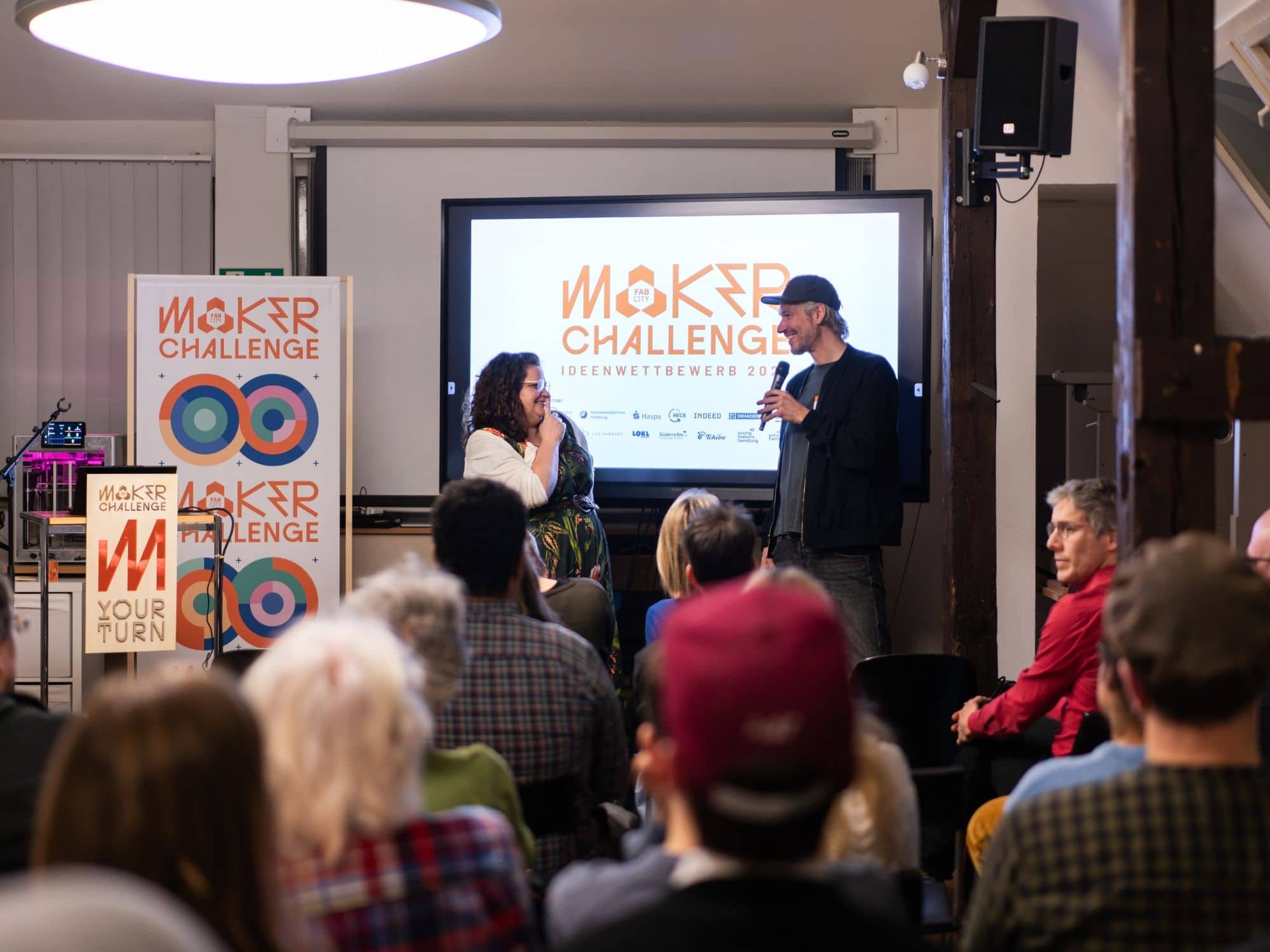
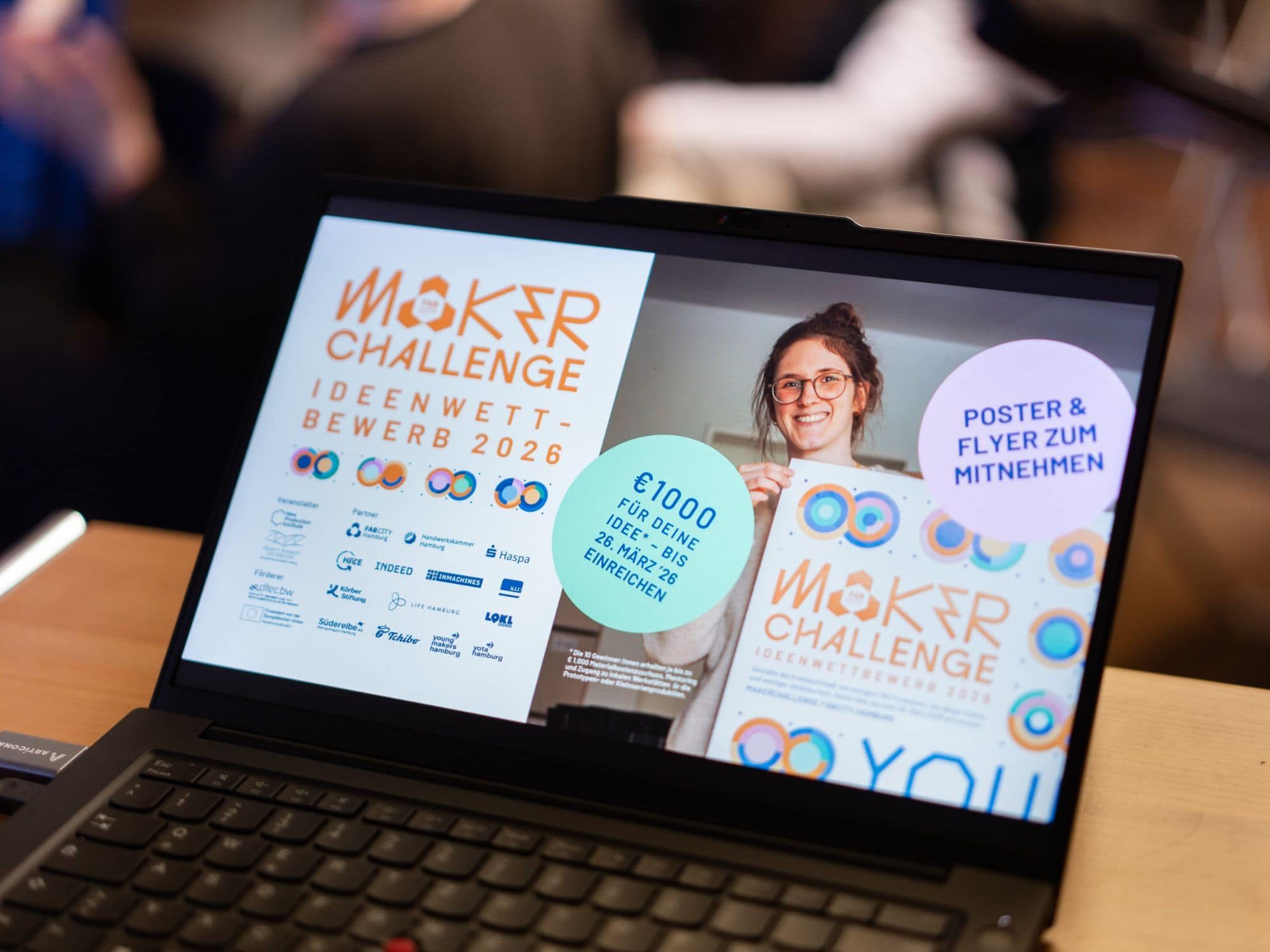
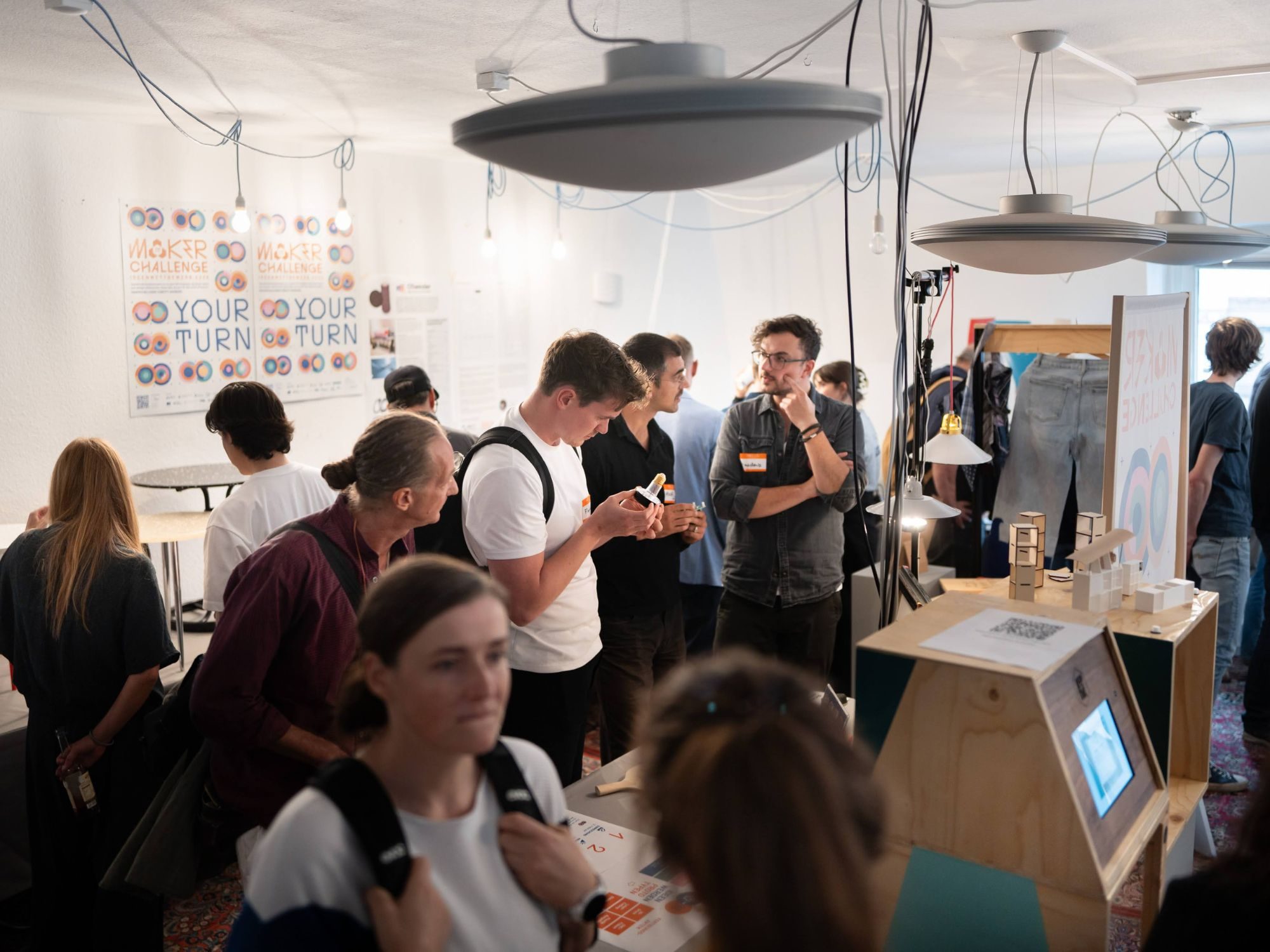
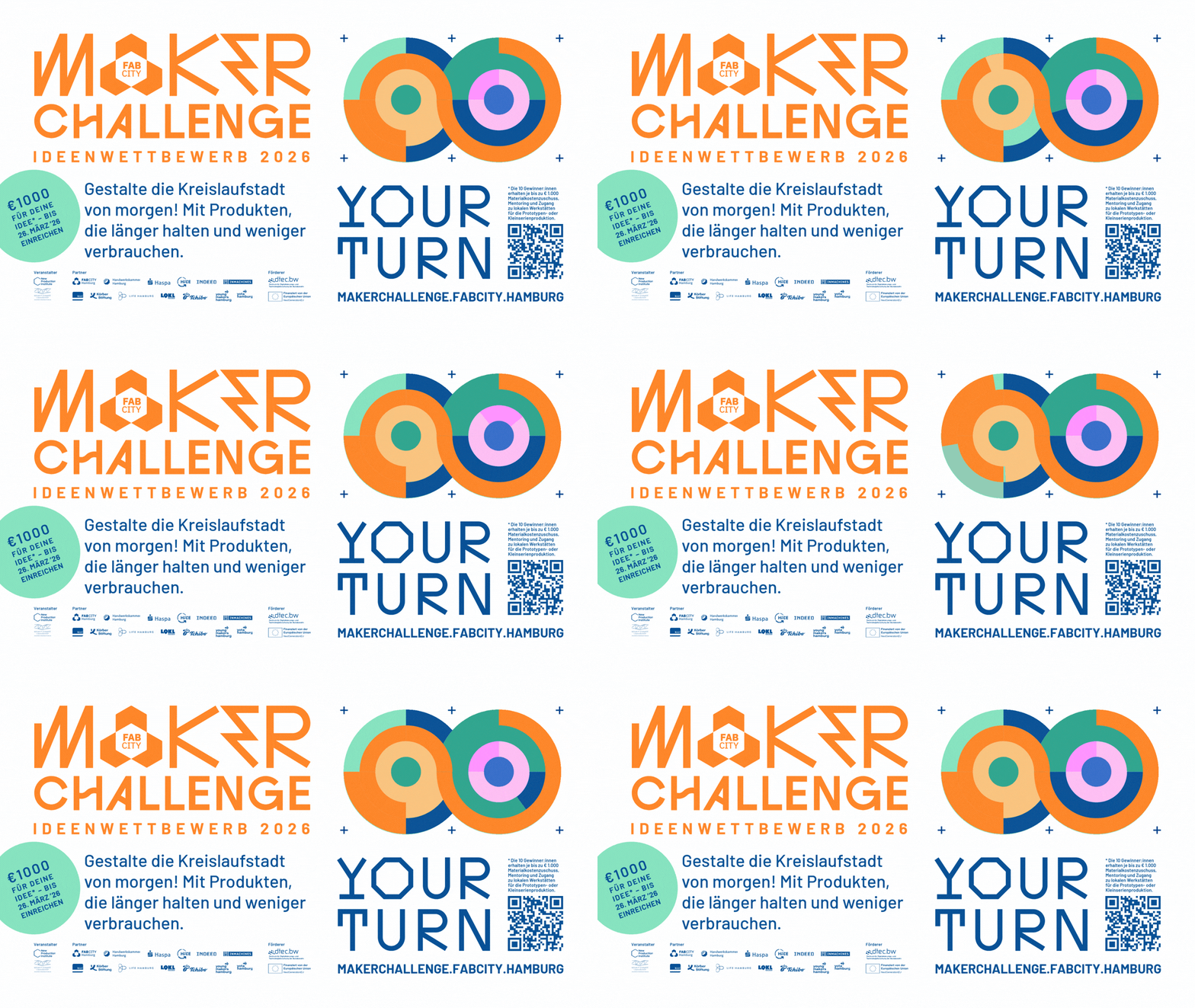
The MAKER CHALLENGE 2026 brings together people from Hamburg and the metropolitan region who want to shape and implement their own ideas for a more sustainable future.
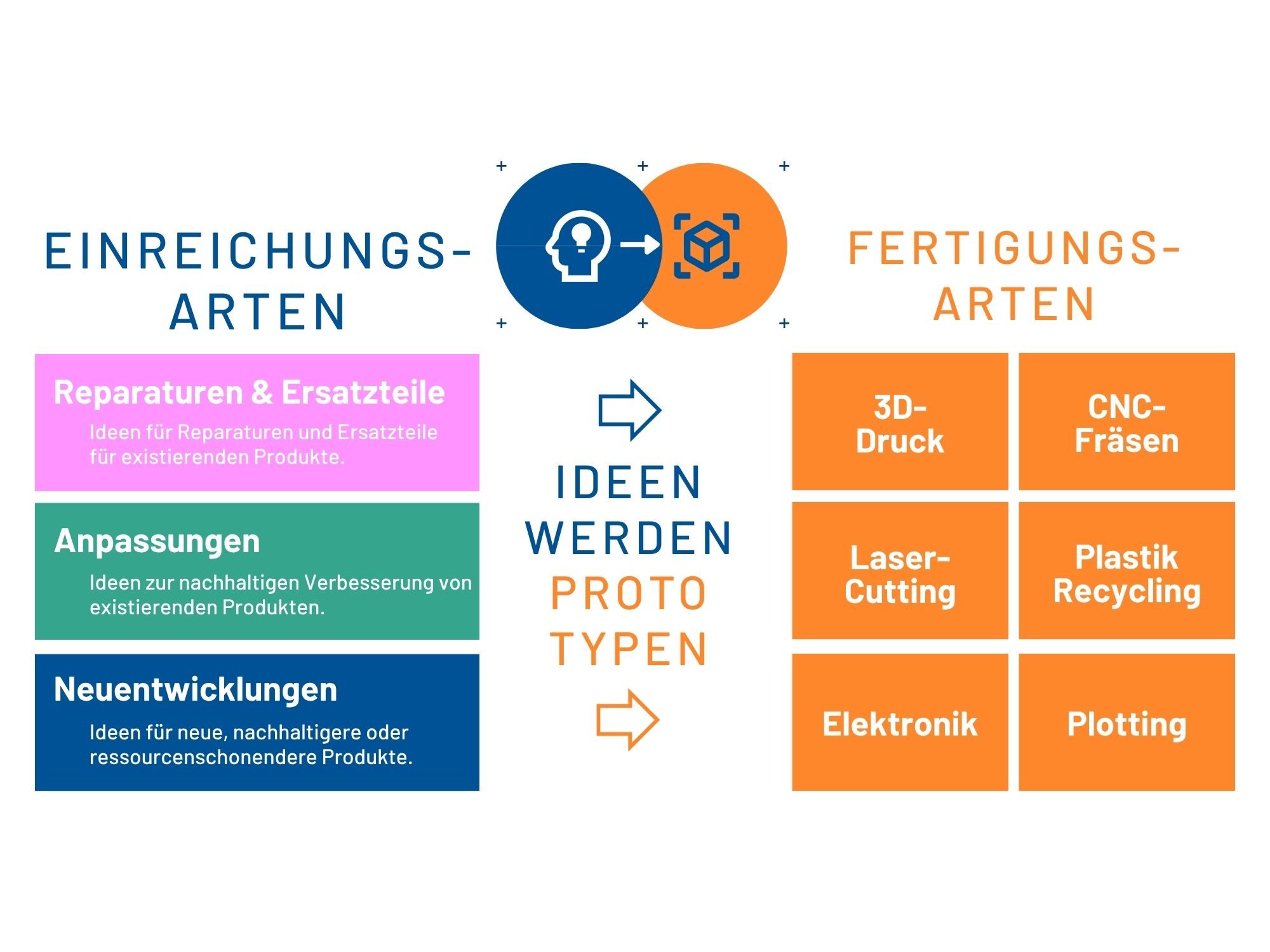
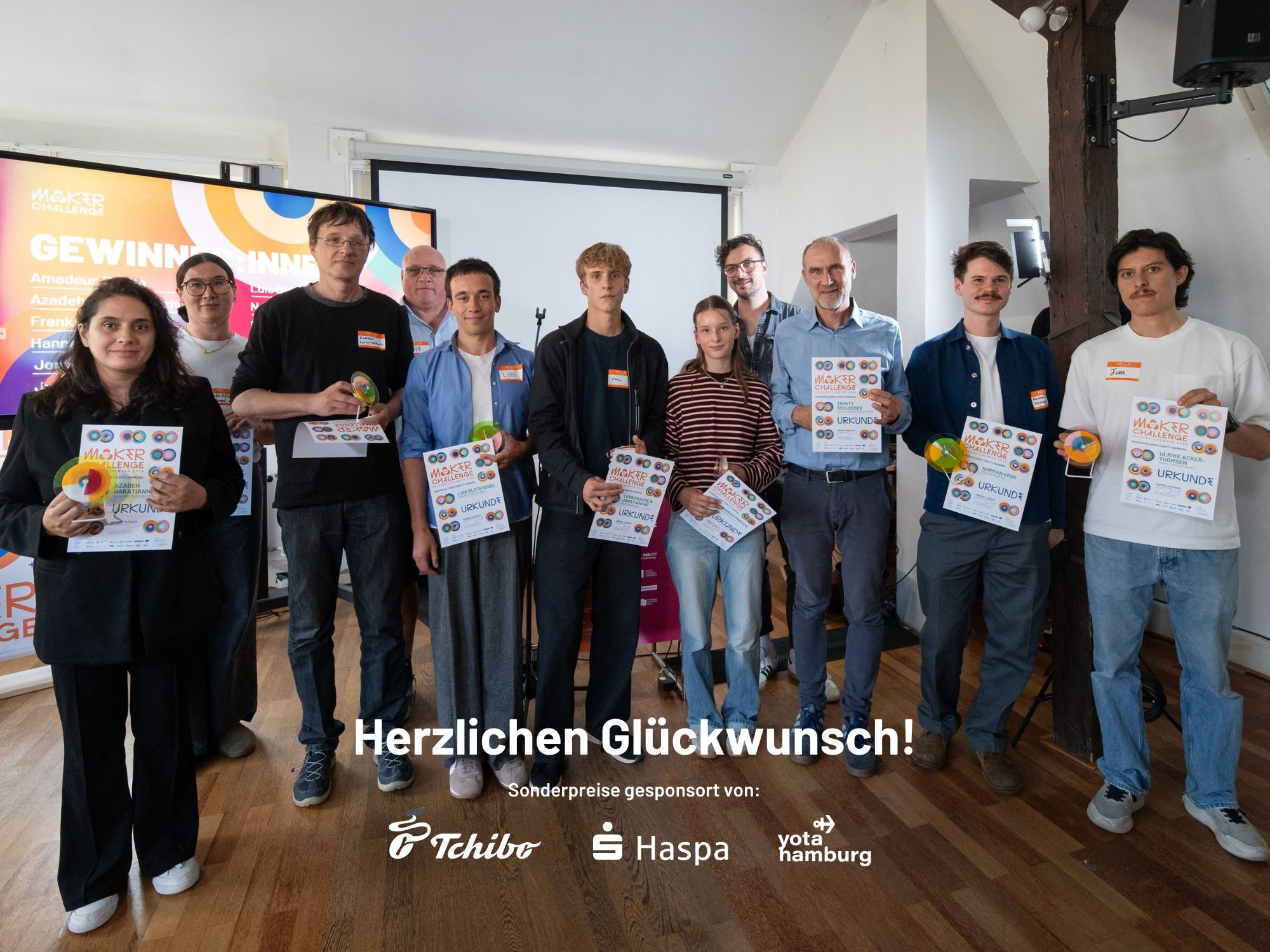
The call for entries sought product ideas with circular potential—ideas that are durable, repairable, modular, recyclable, or resource-efficient. Eleven winners were selected from the submitted ideas; in the next step, they worked with makers, mentors, and partners from Hamburg’s Fab City network to develop their concepts into prototypes.
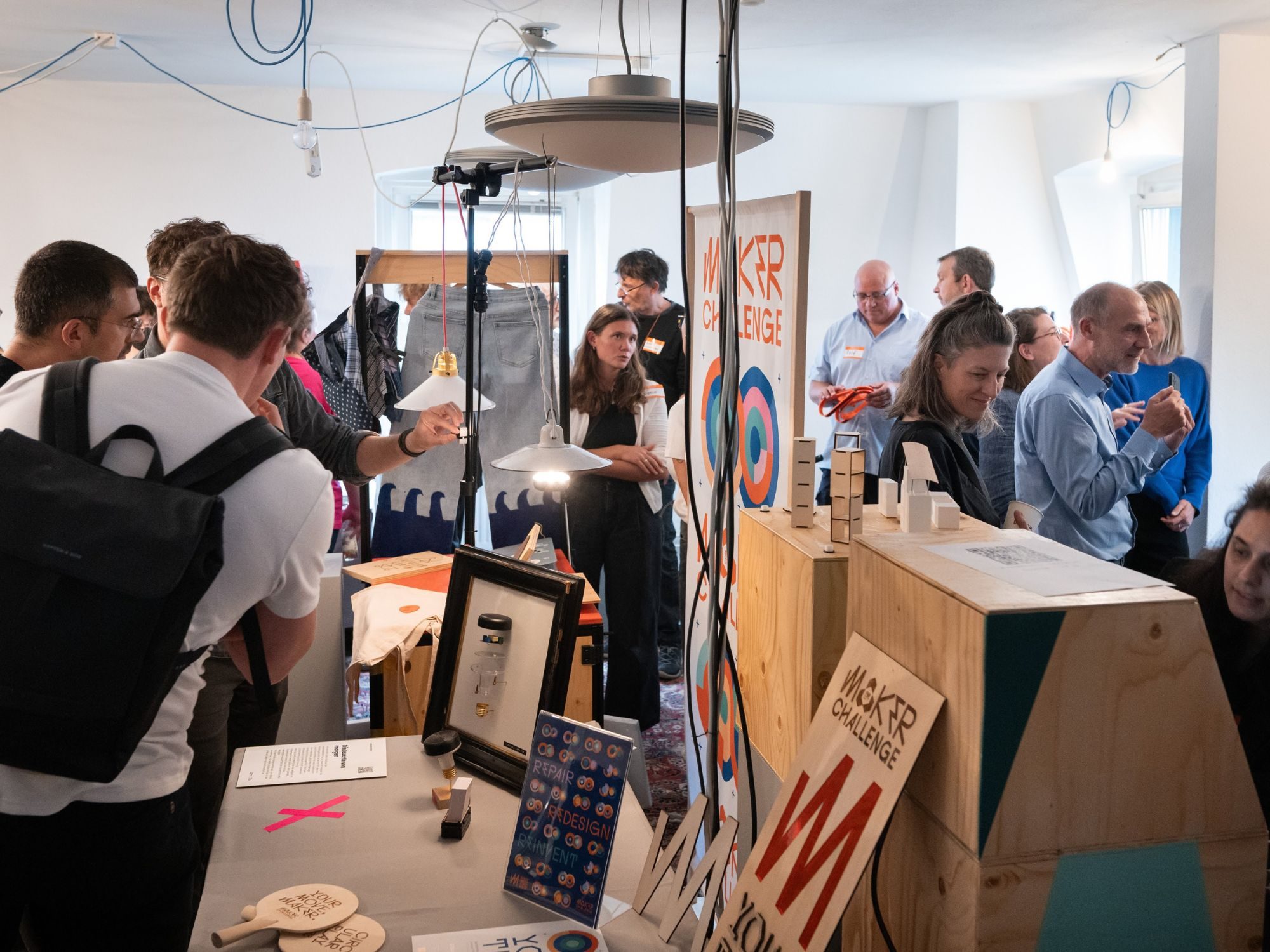
The following digital exhibition showcases the results of this process.
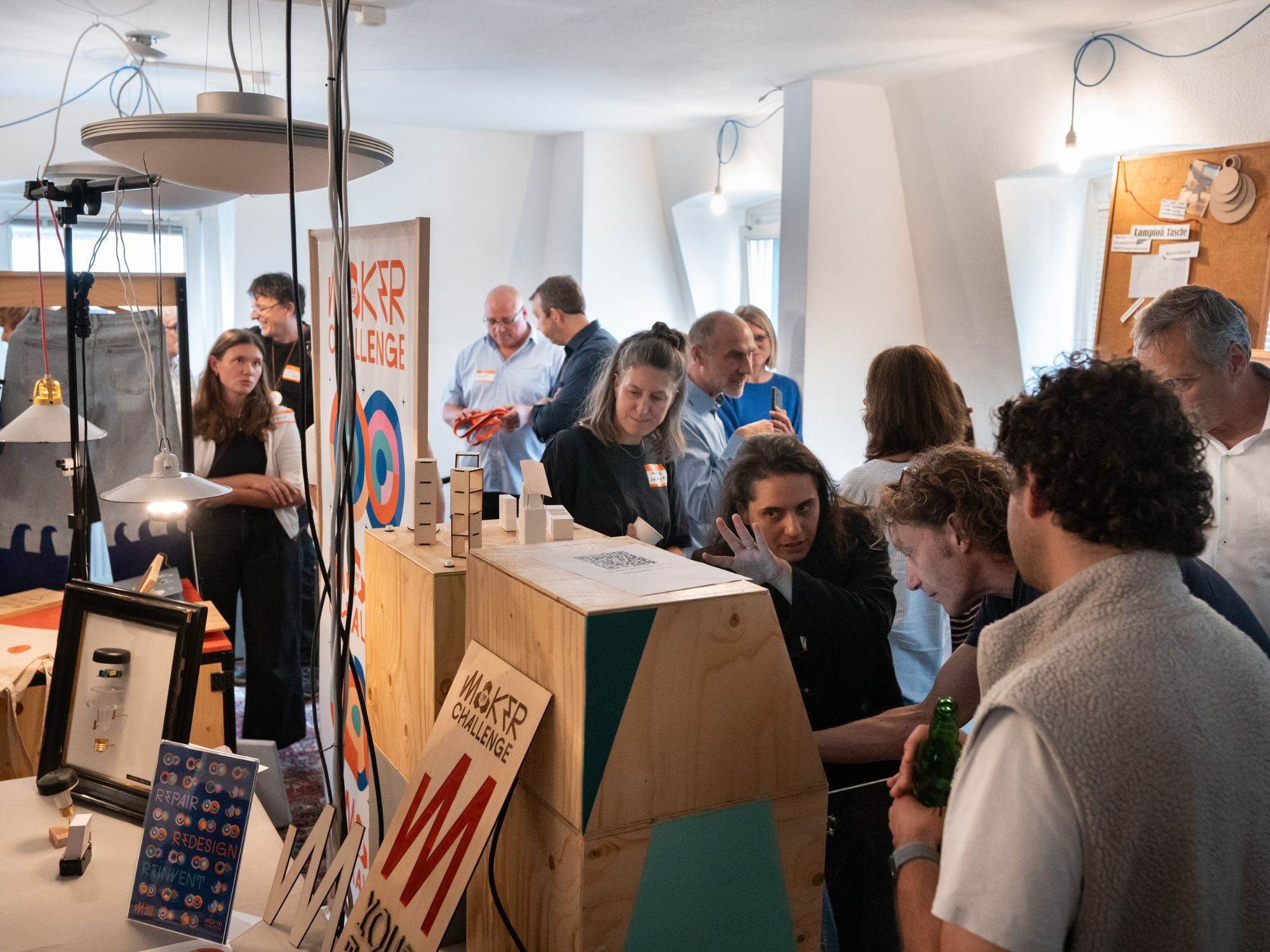
From the initial idea to a tangible product: The MAKER CHALLENGE 2026 showcases what can be created when creativity, local production, open workshops, and shared knowledge come together.


The Exhibition.
What began as an idea on the digital platform has evolved over the past few months into a concrete design, model, or functional prototype.
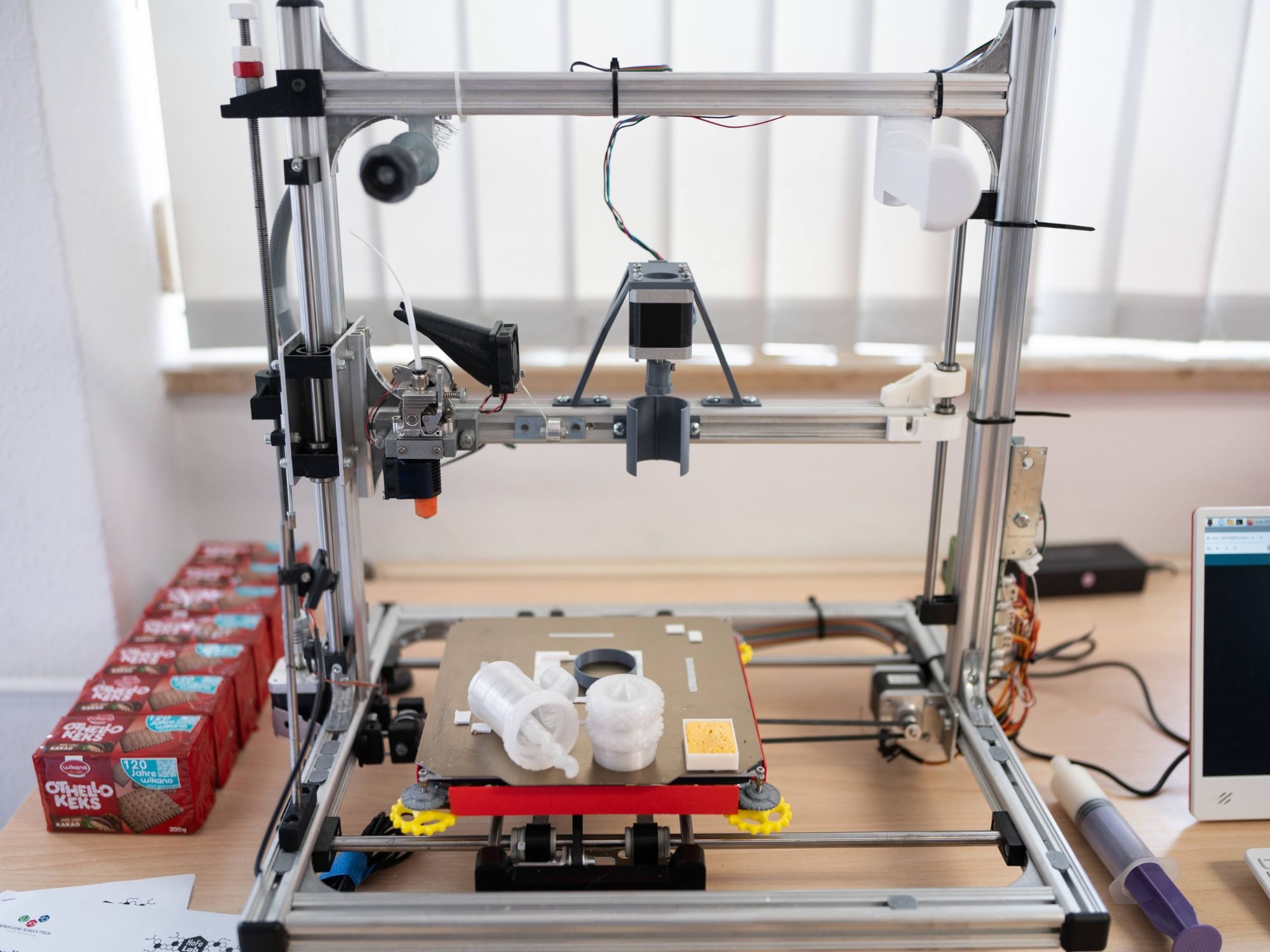
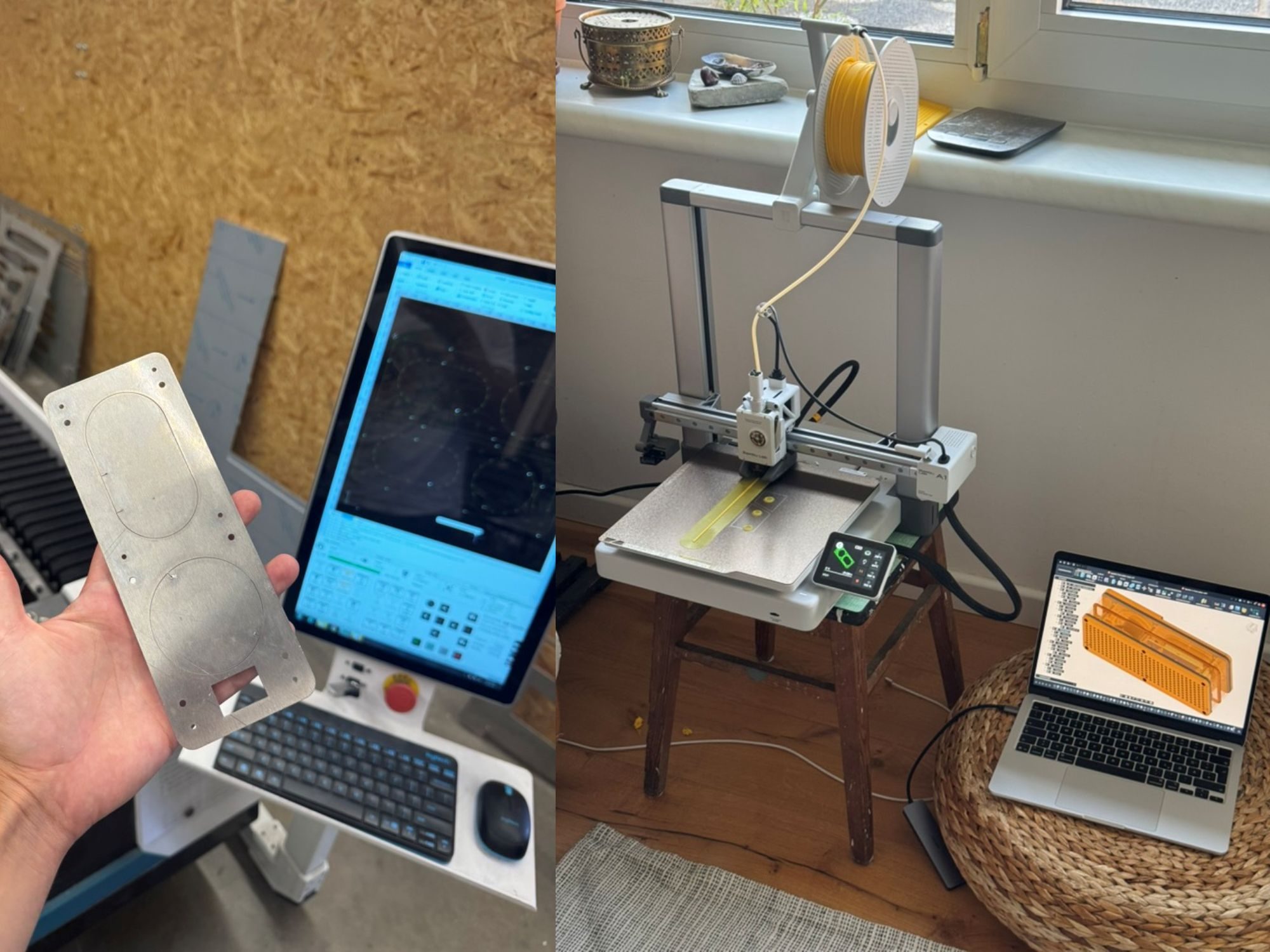
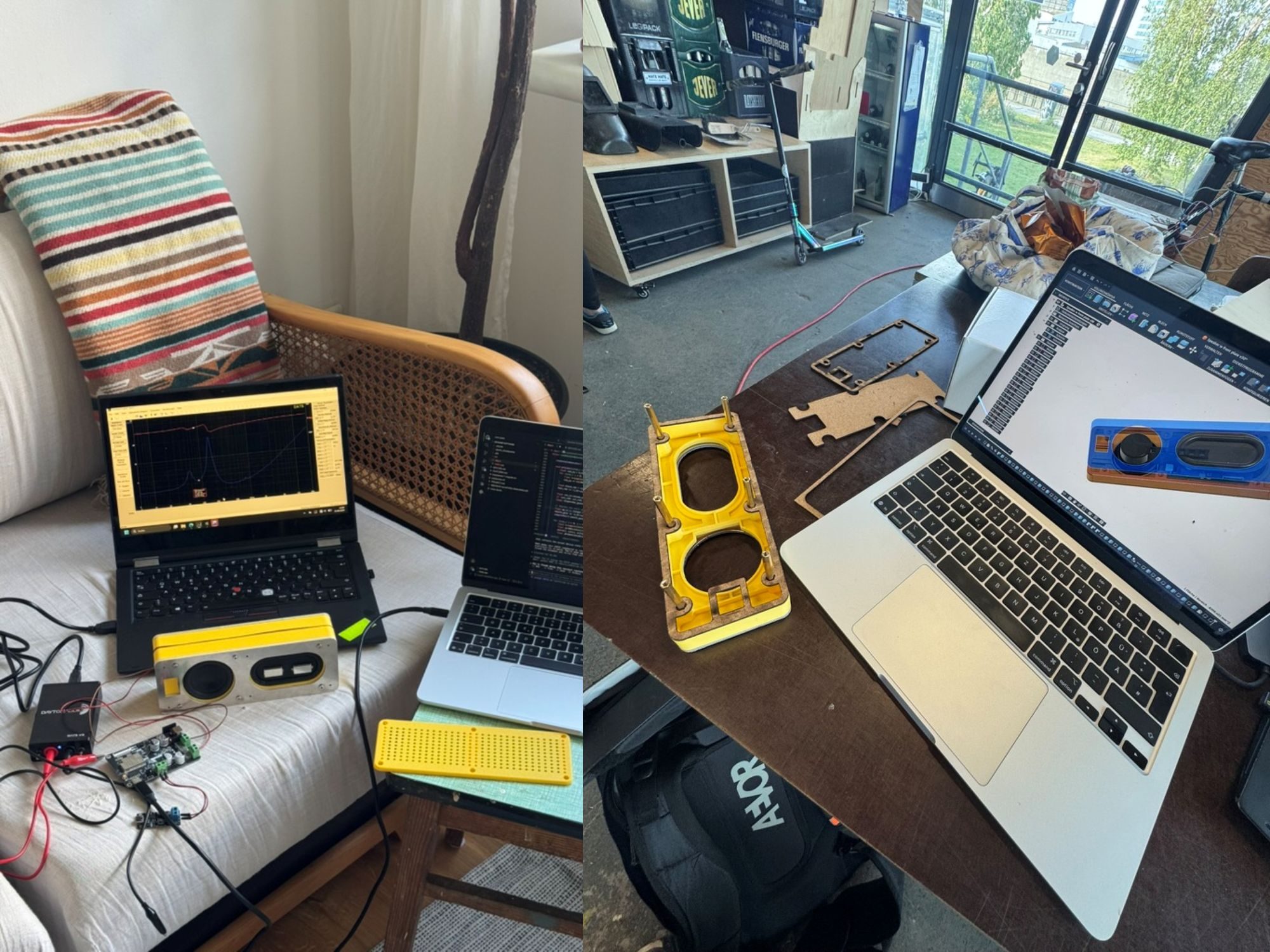
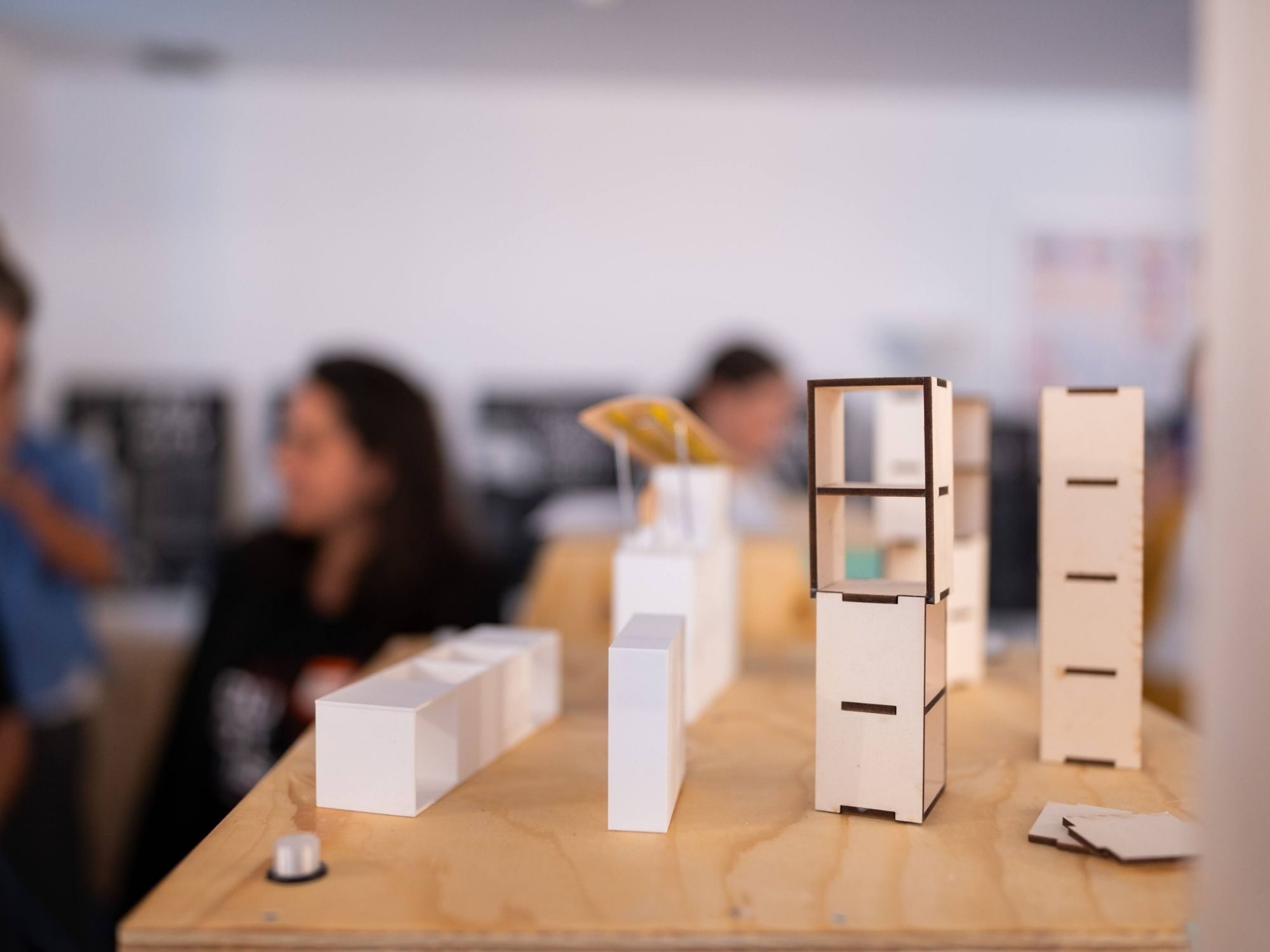
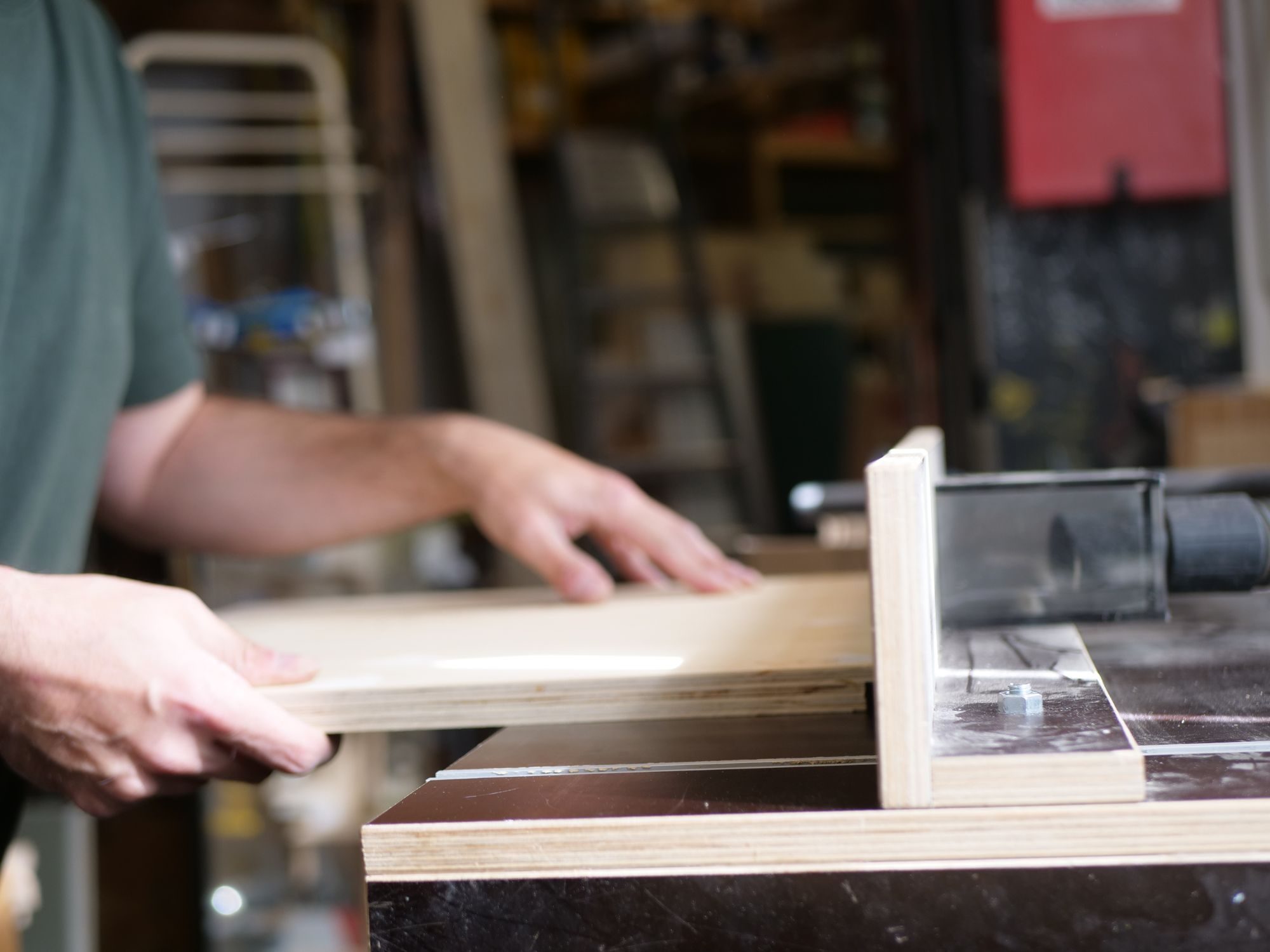
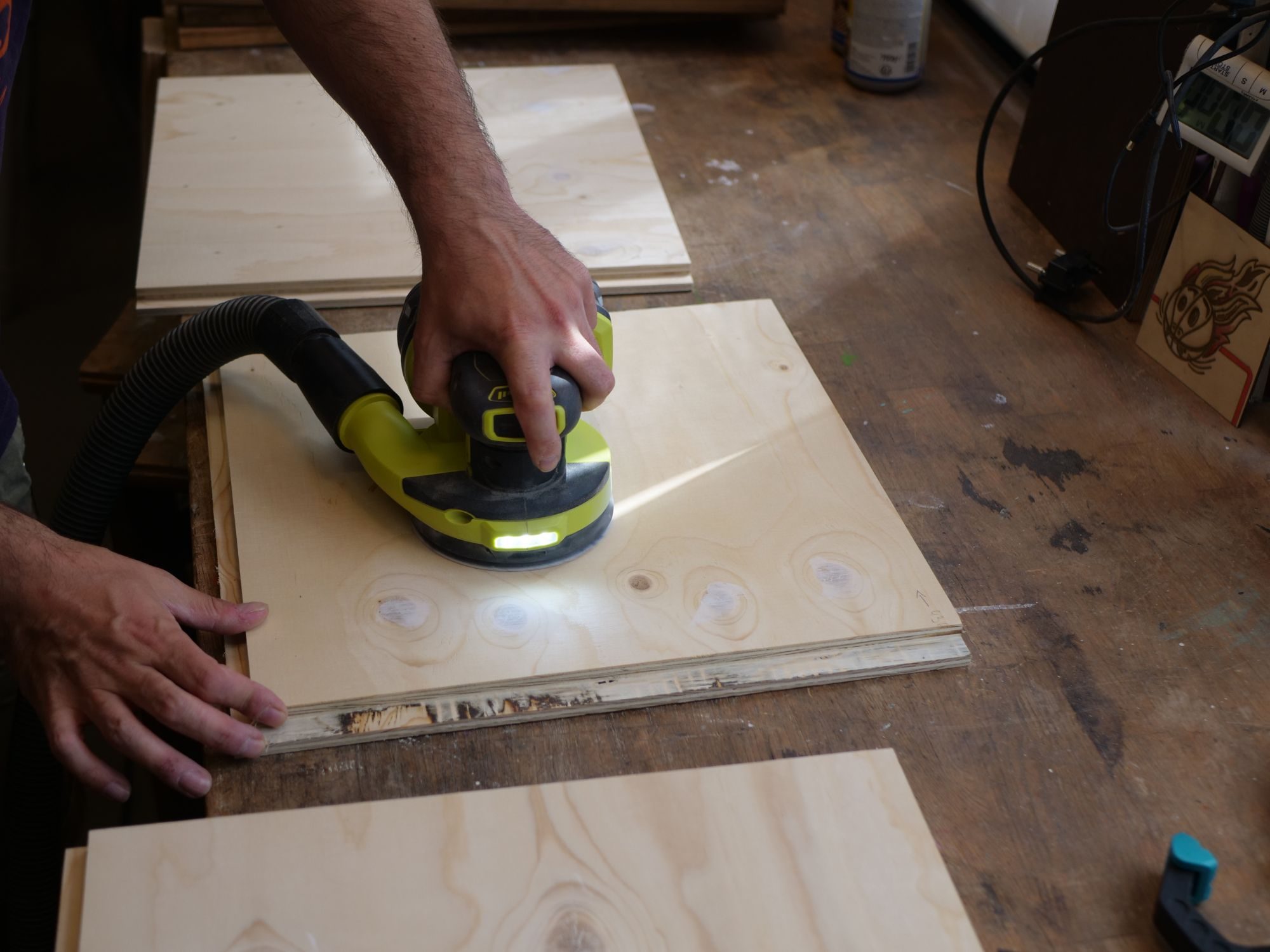
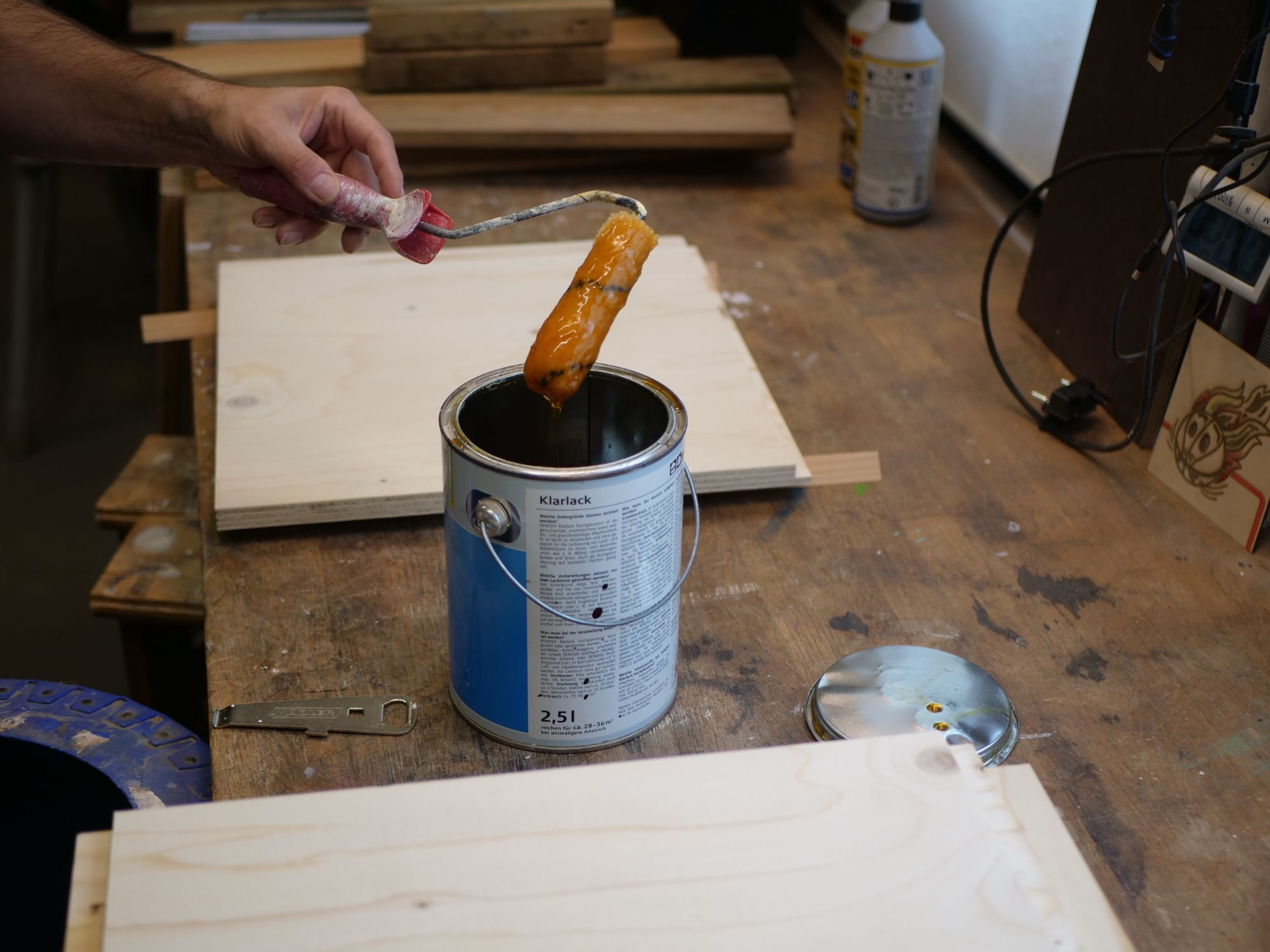
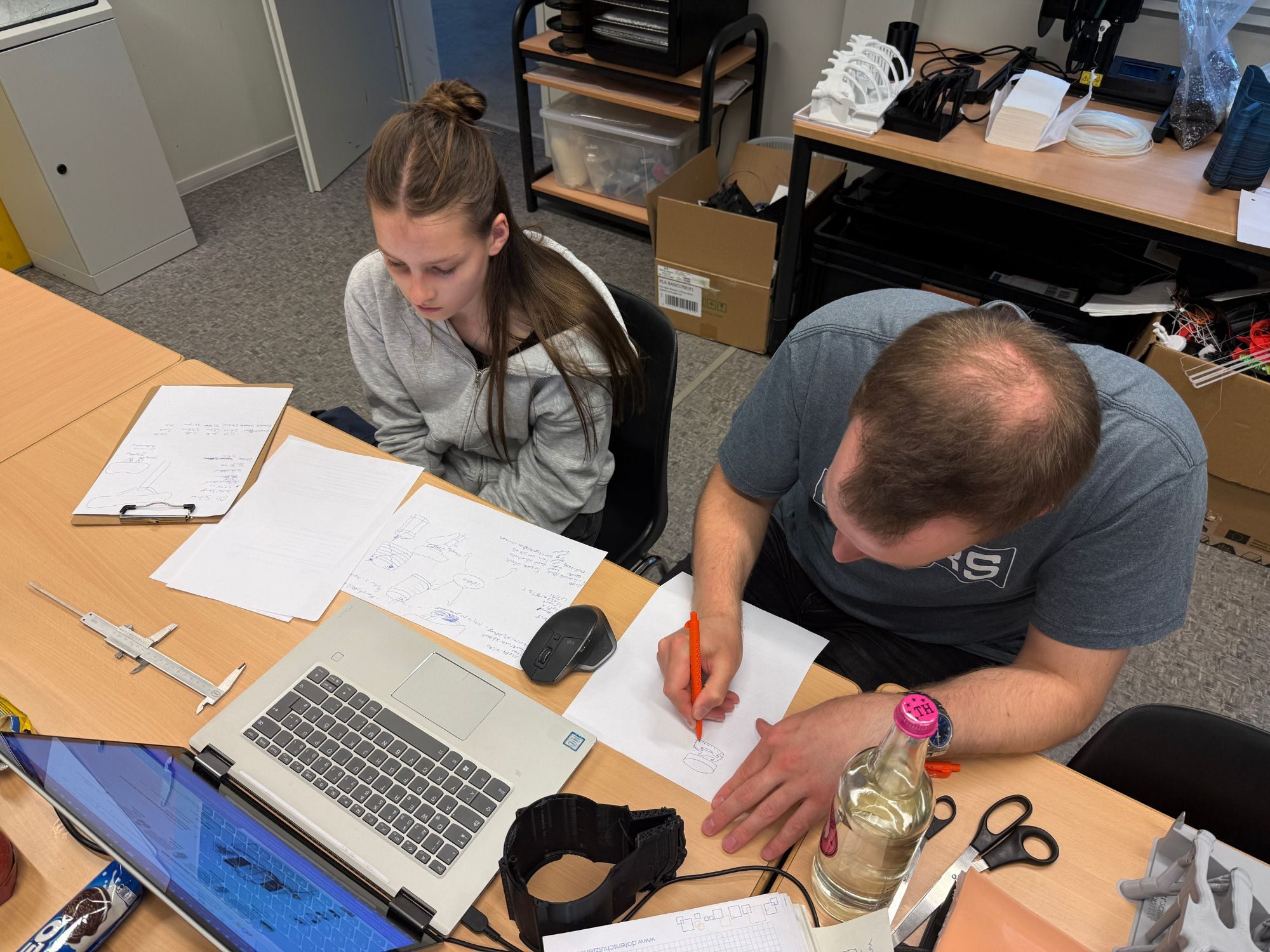
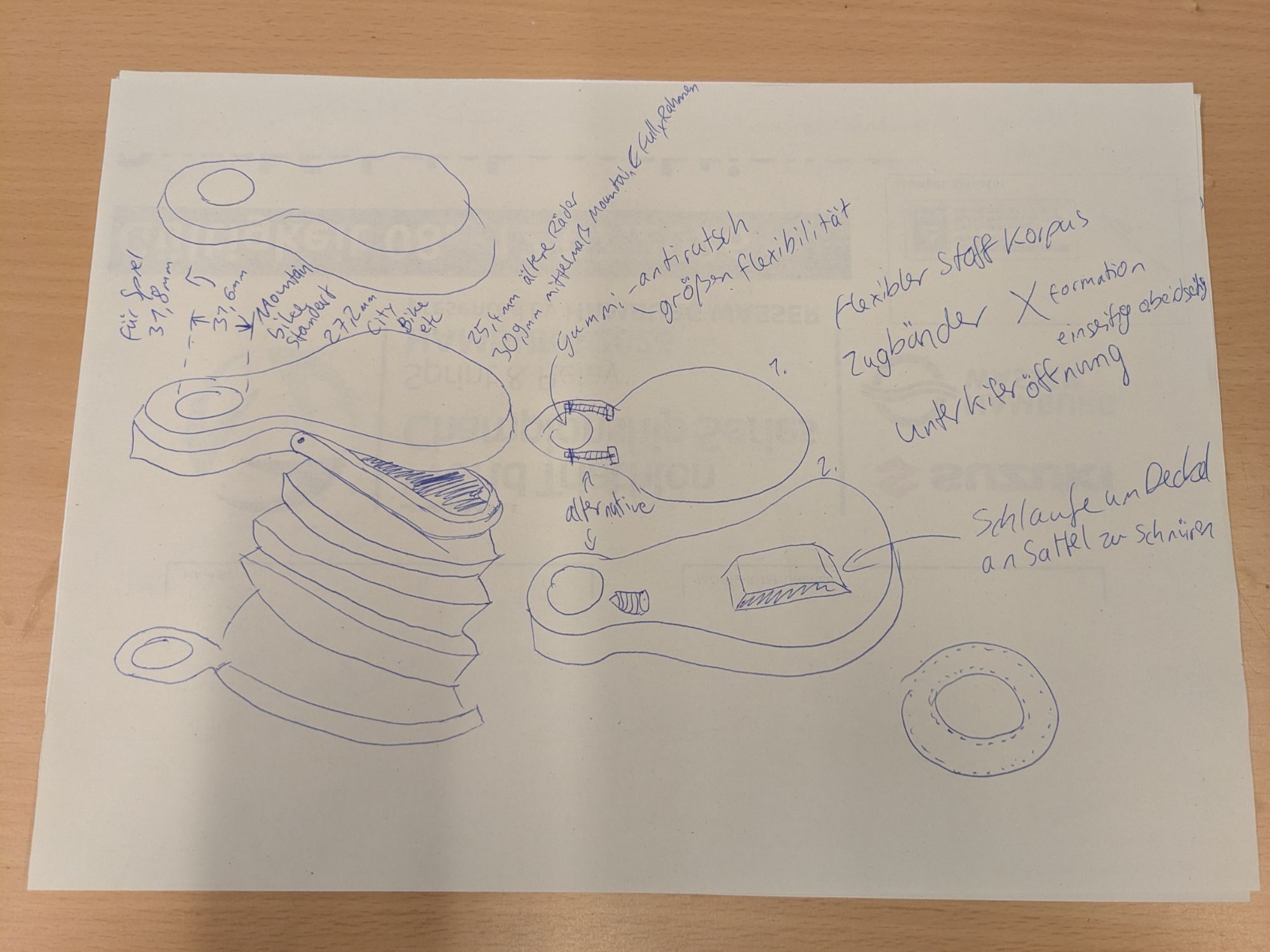
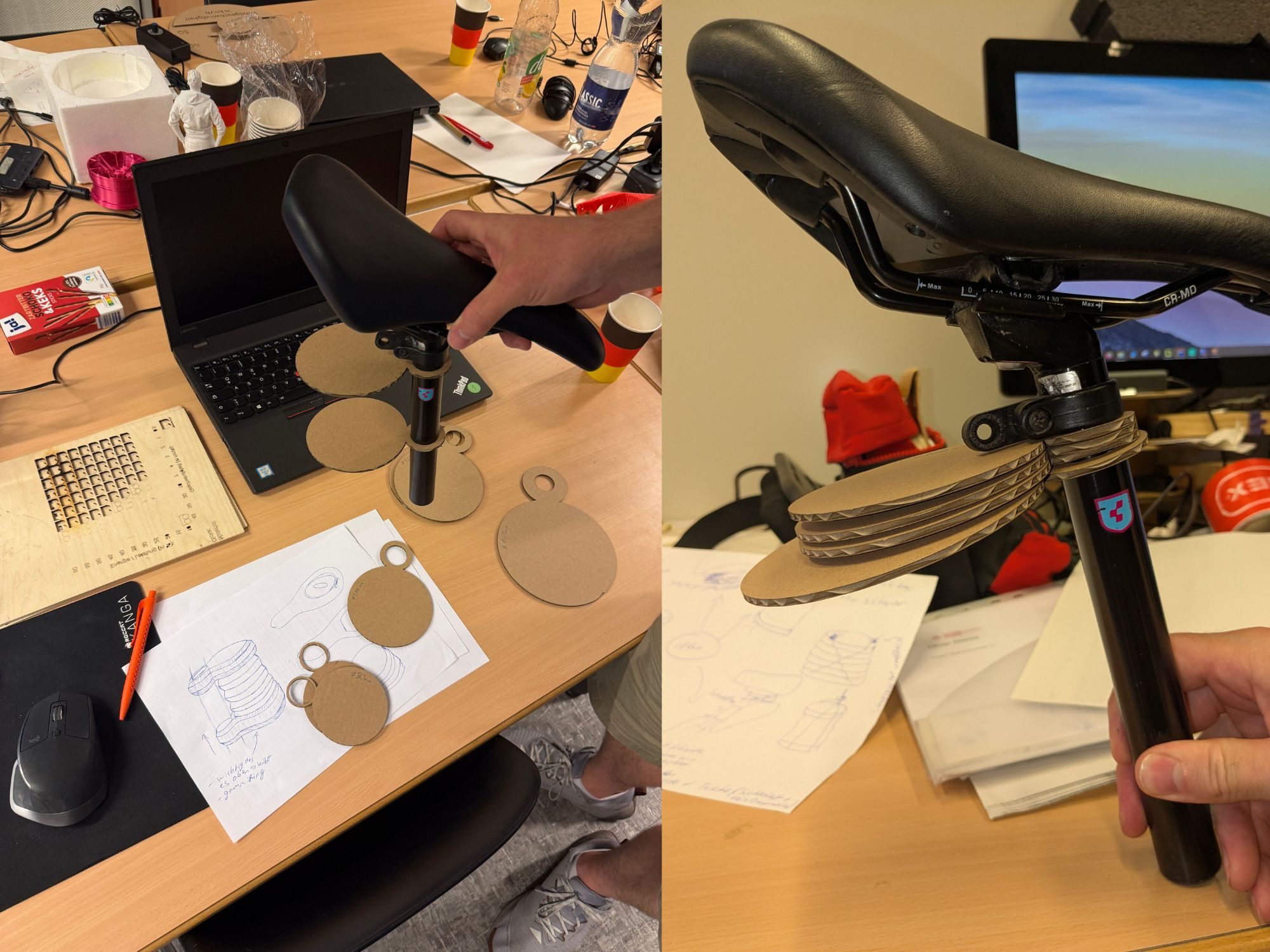
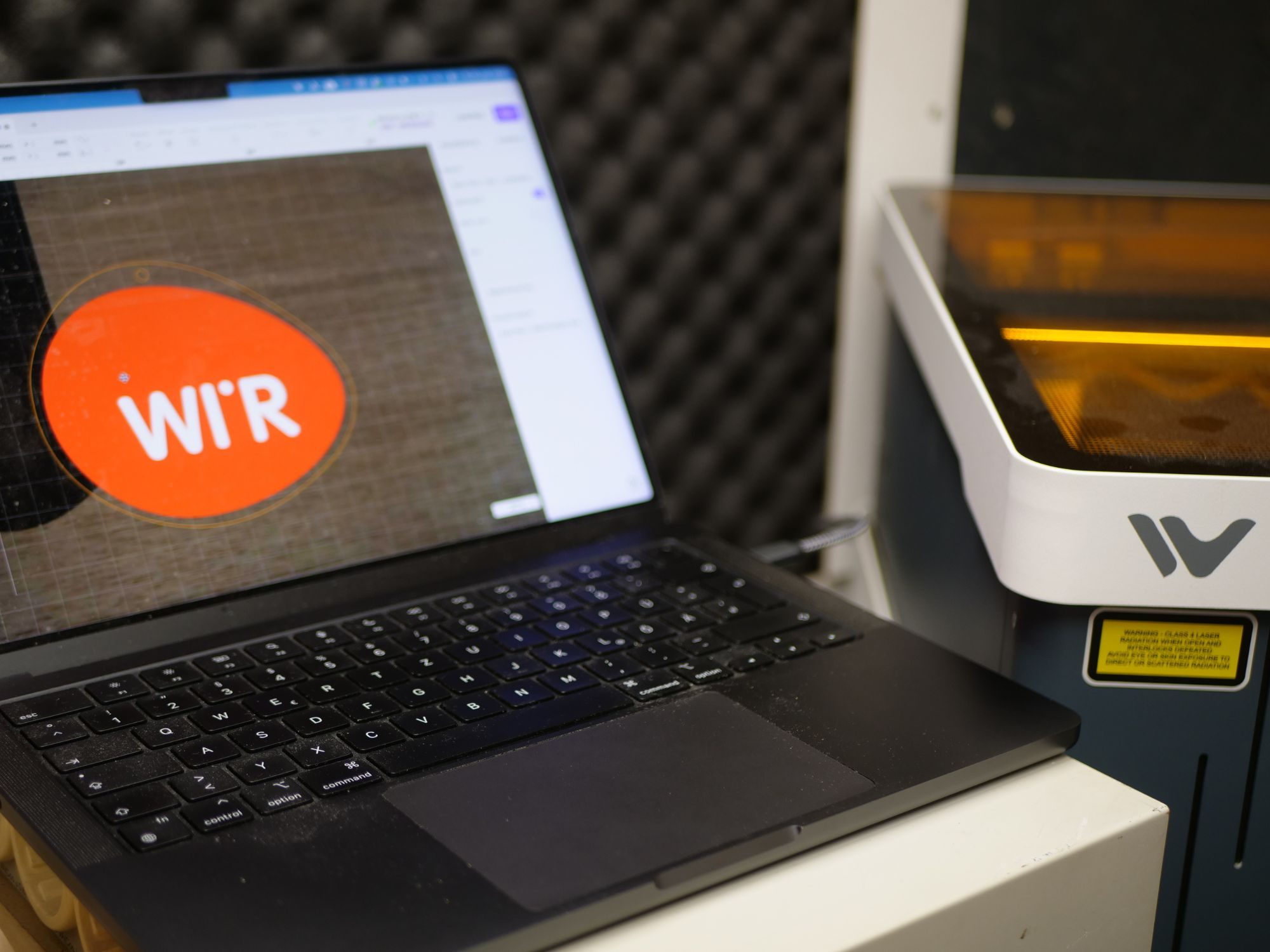
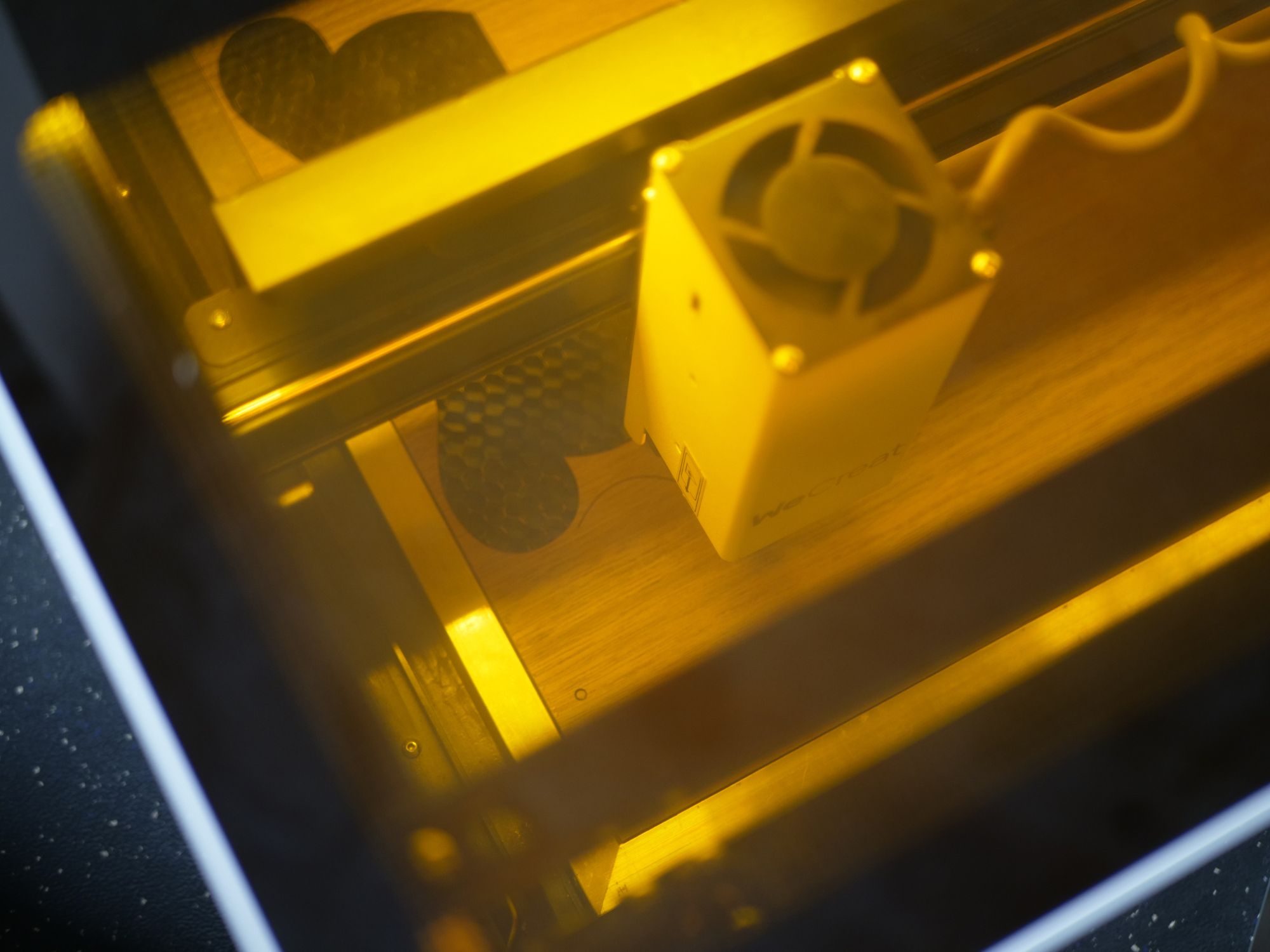
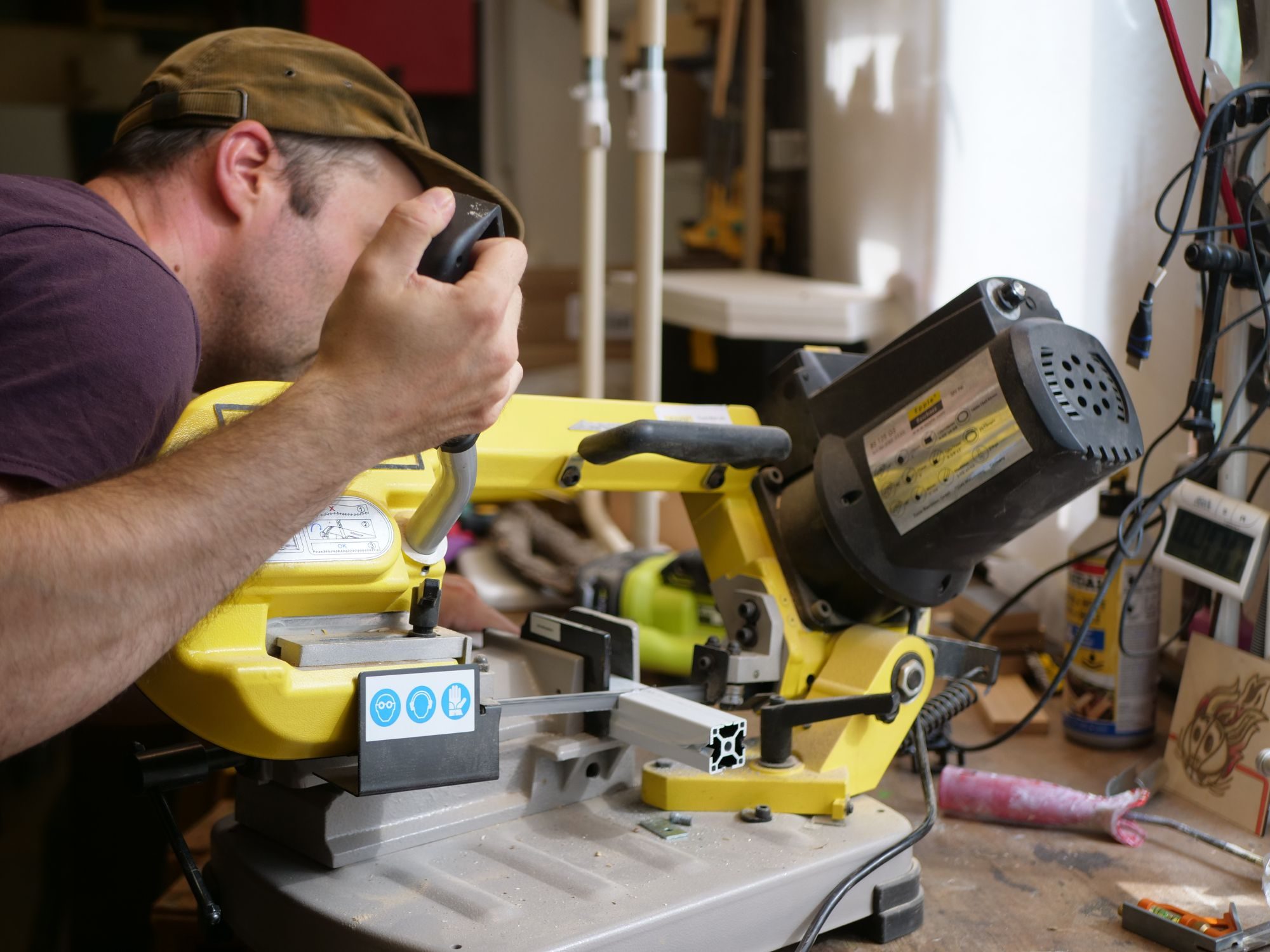
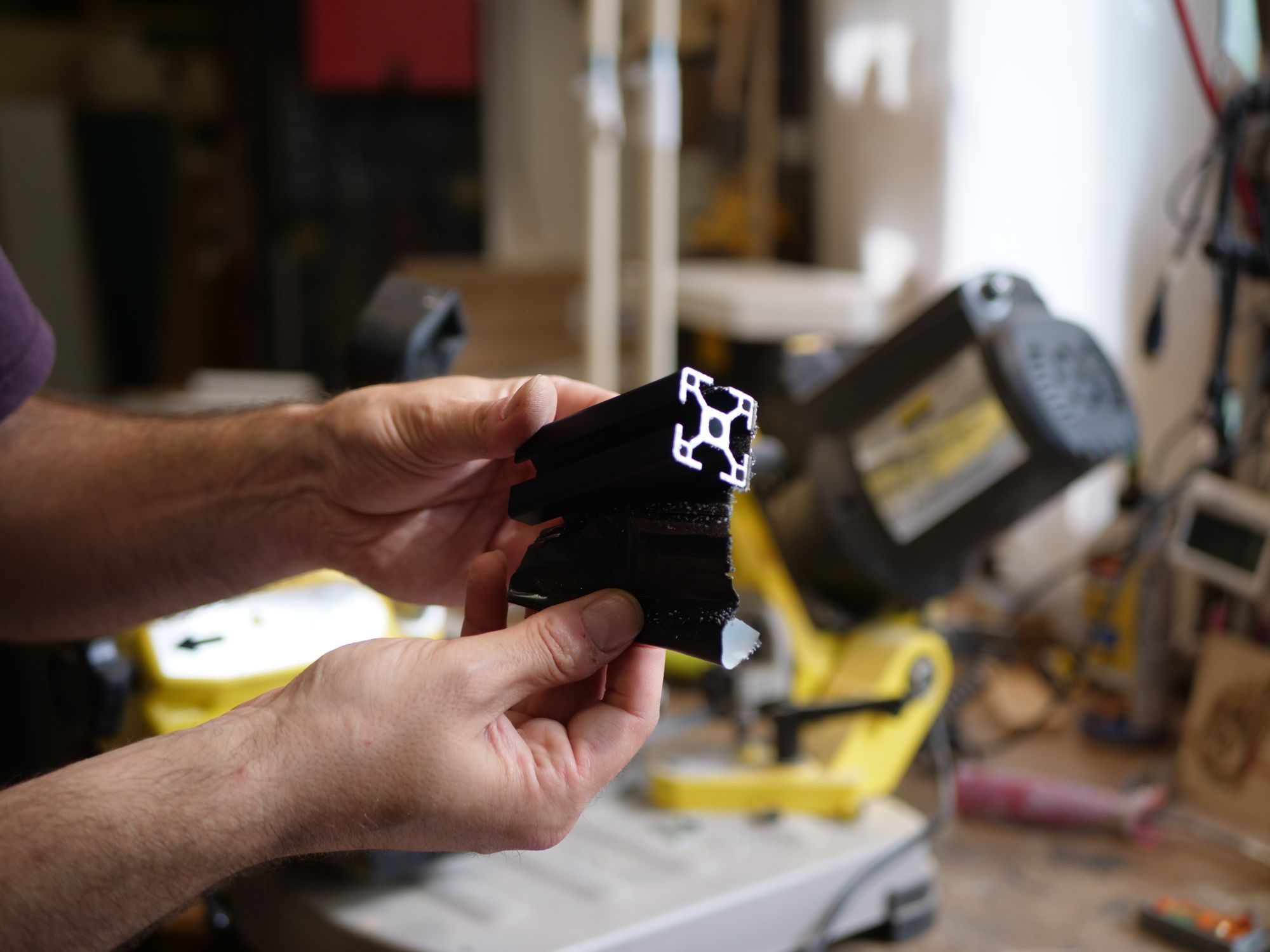
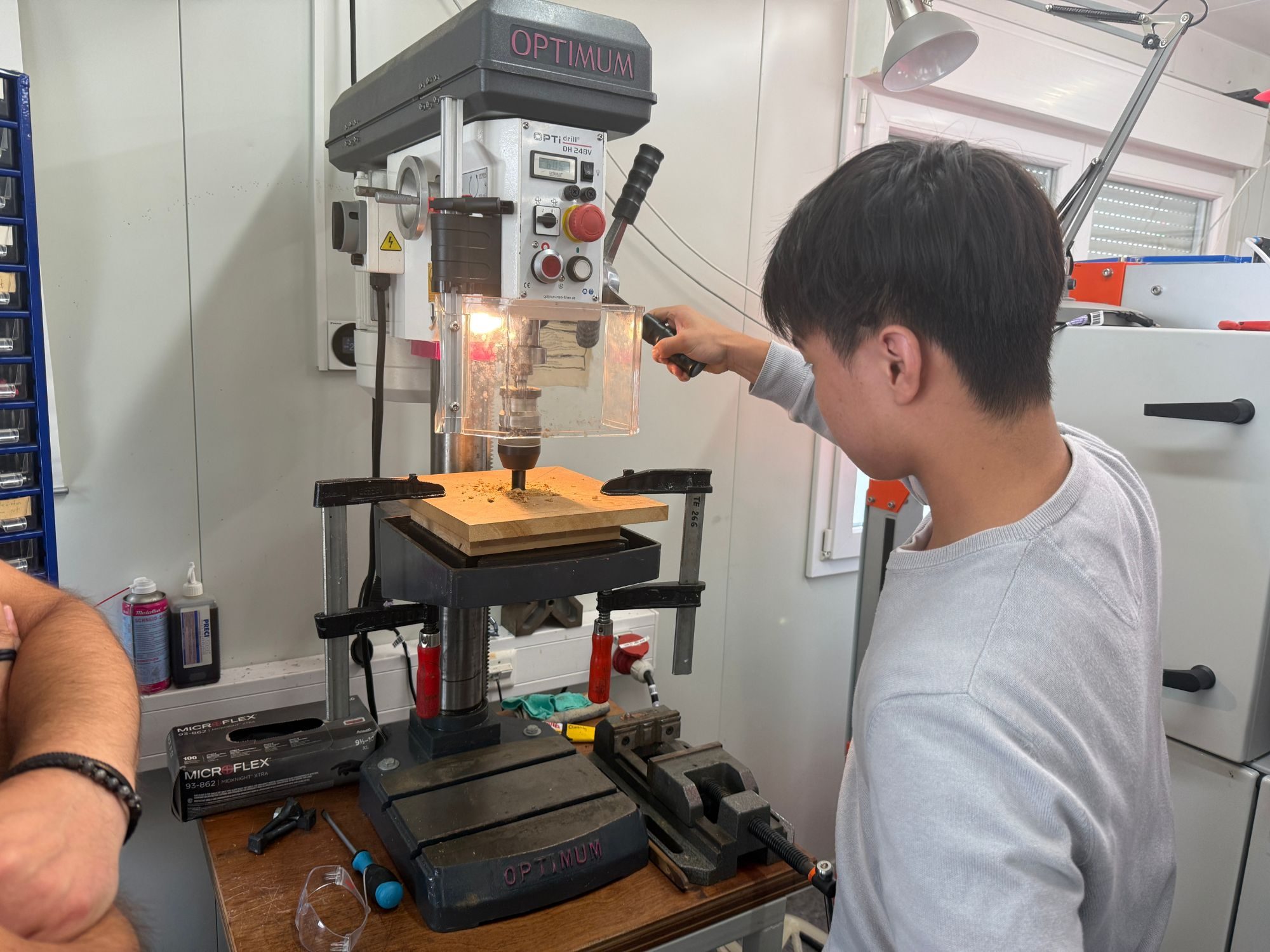
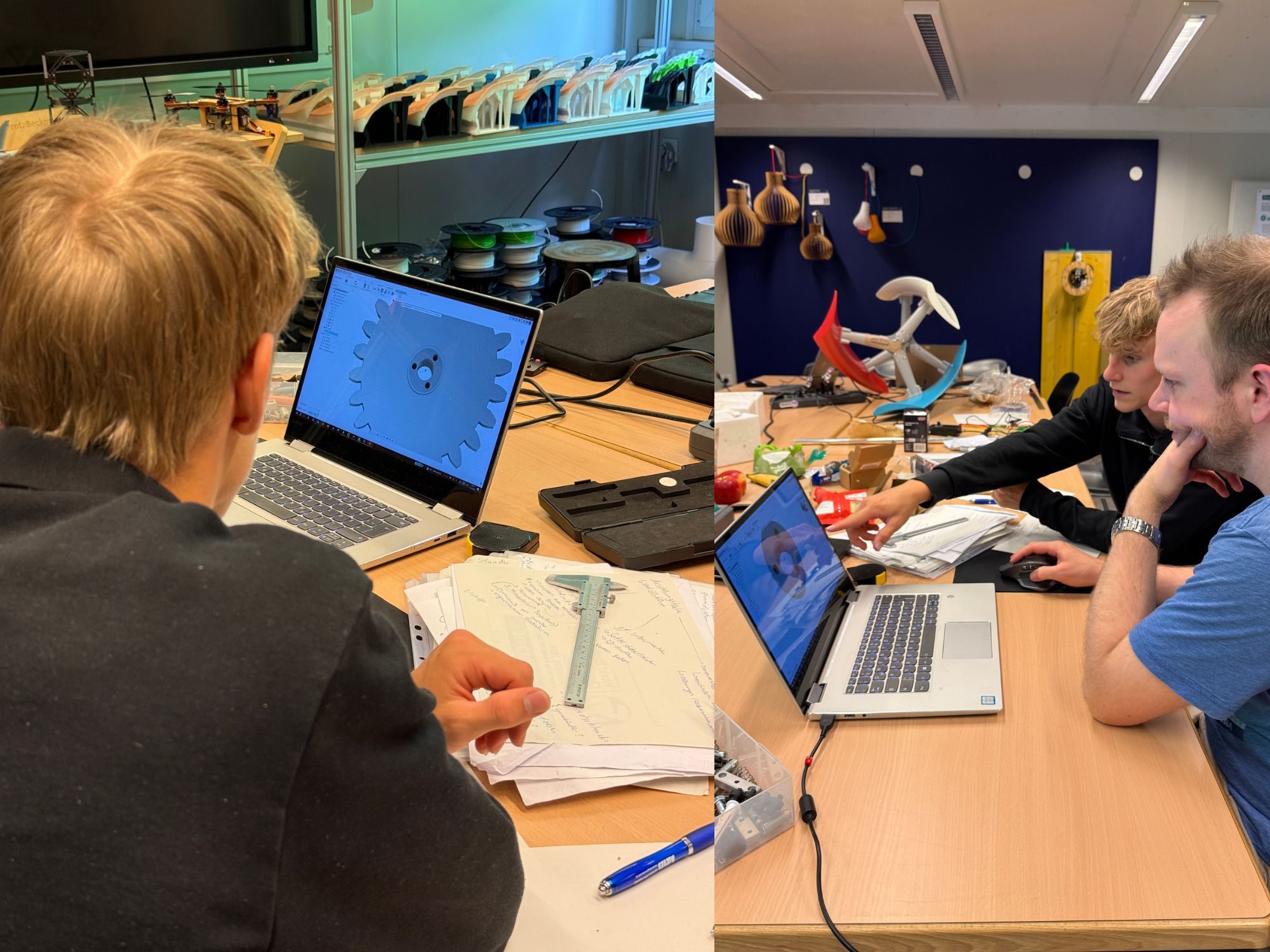
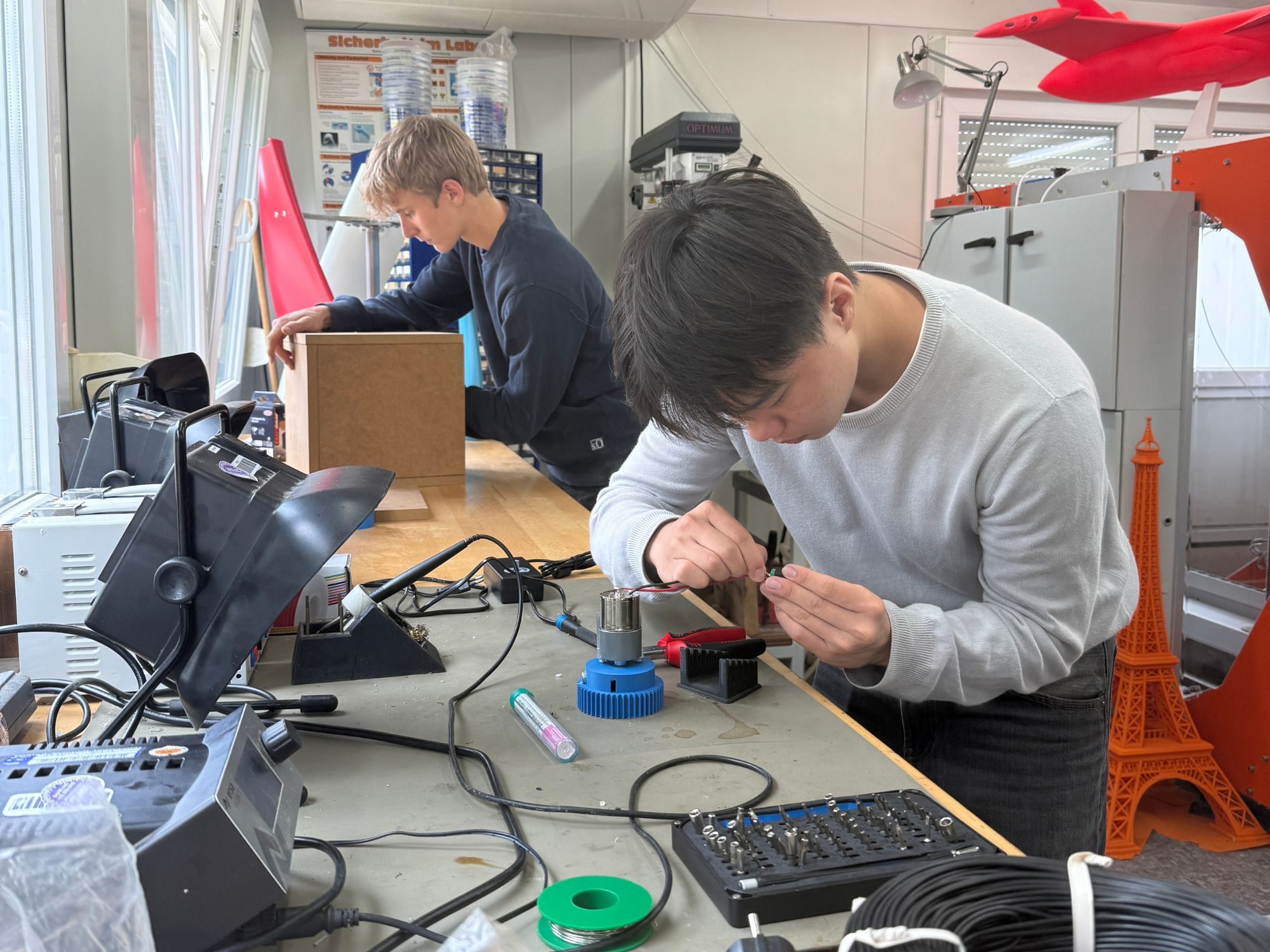
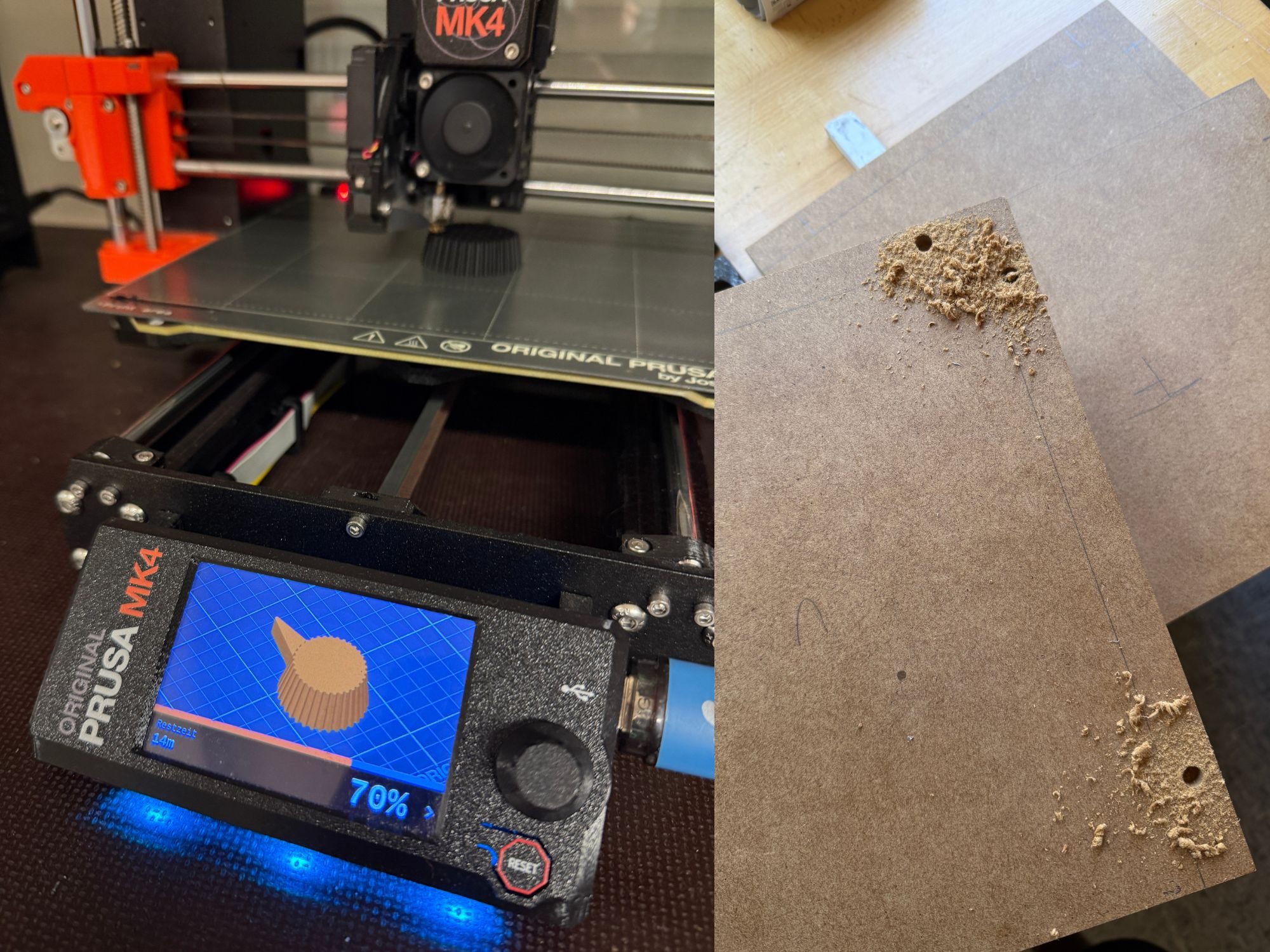
The eleven winners further developed, tested, modified, and built their projects. In the process, they used a variety of methods and technologies—ranging from additive manufacturing and 3D printing to CNC milling and laser cutting, as well as electronics development and traditional craftsmanship.
The prototypes on display don’t just show finished results; they also tell the story of experiments, iterations, and new approaches.
Winning Projects of 2026
“I travelled the world…“ und “Bon Voyage”!
Ulrike Acker-Thomsen & Dr. Juan Grados – CIRC&LOV
The Caribbean, Norway, several Atlantic crossings—and then it was almost scrapped.
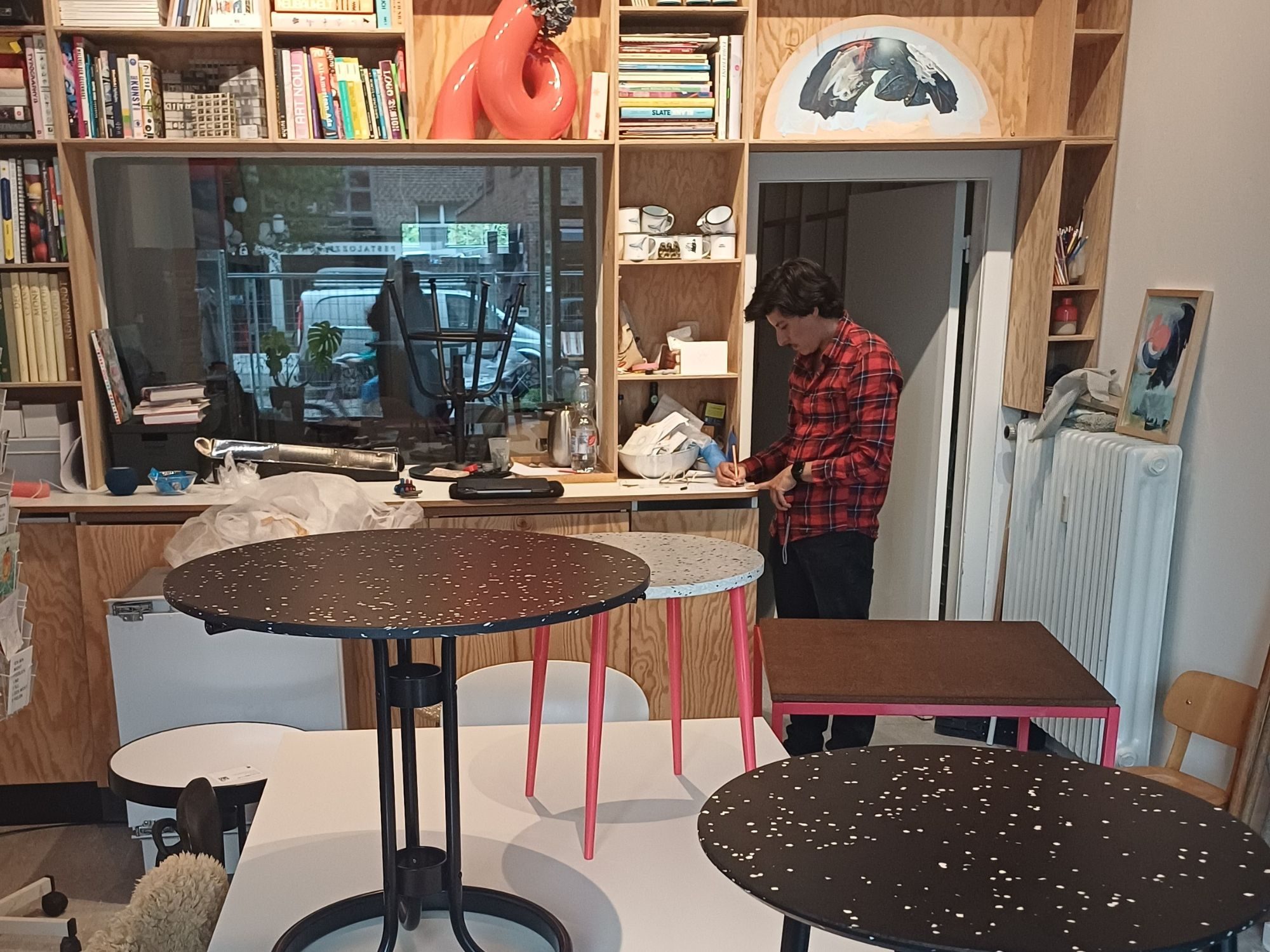
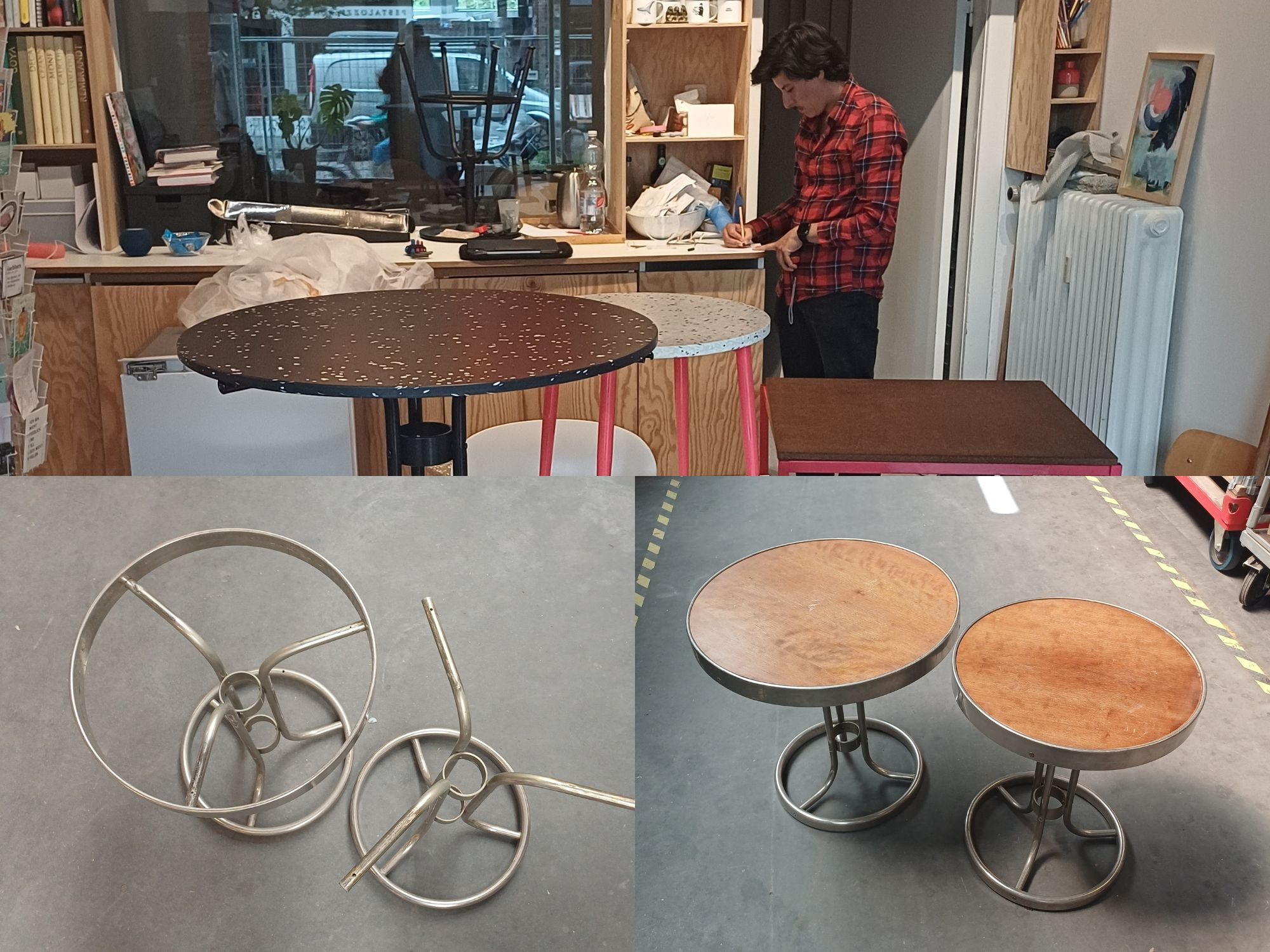
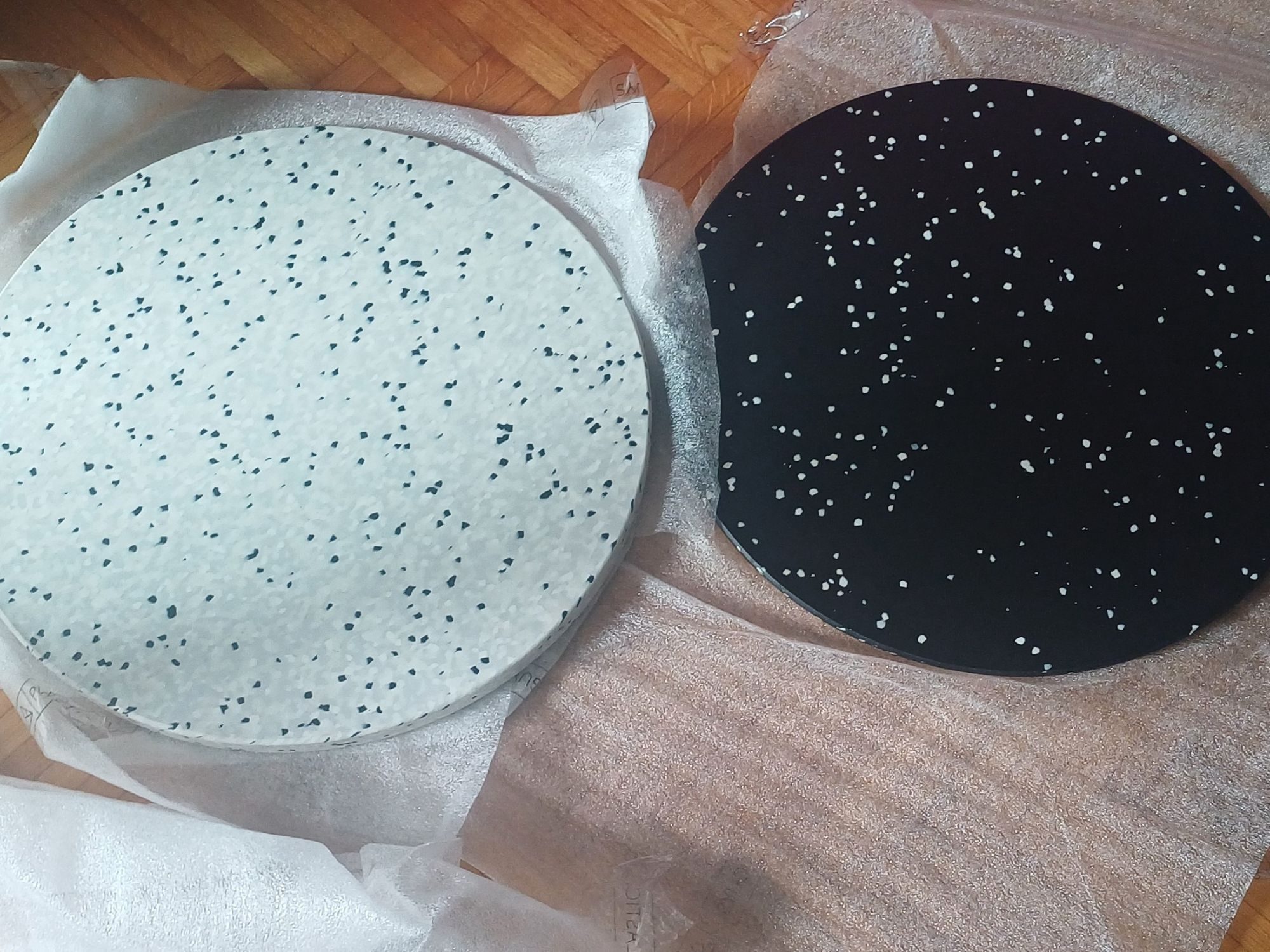
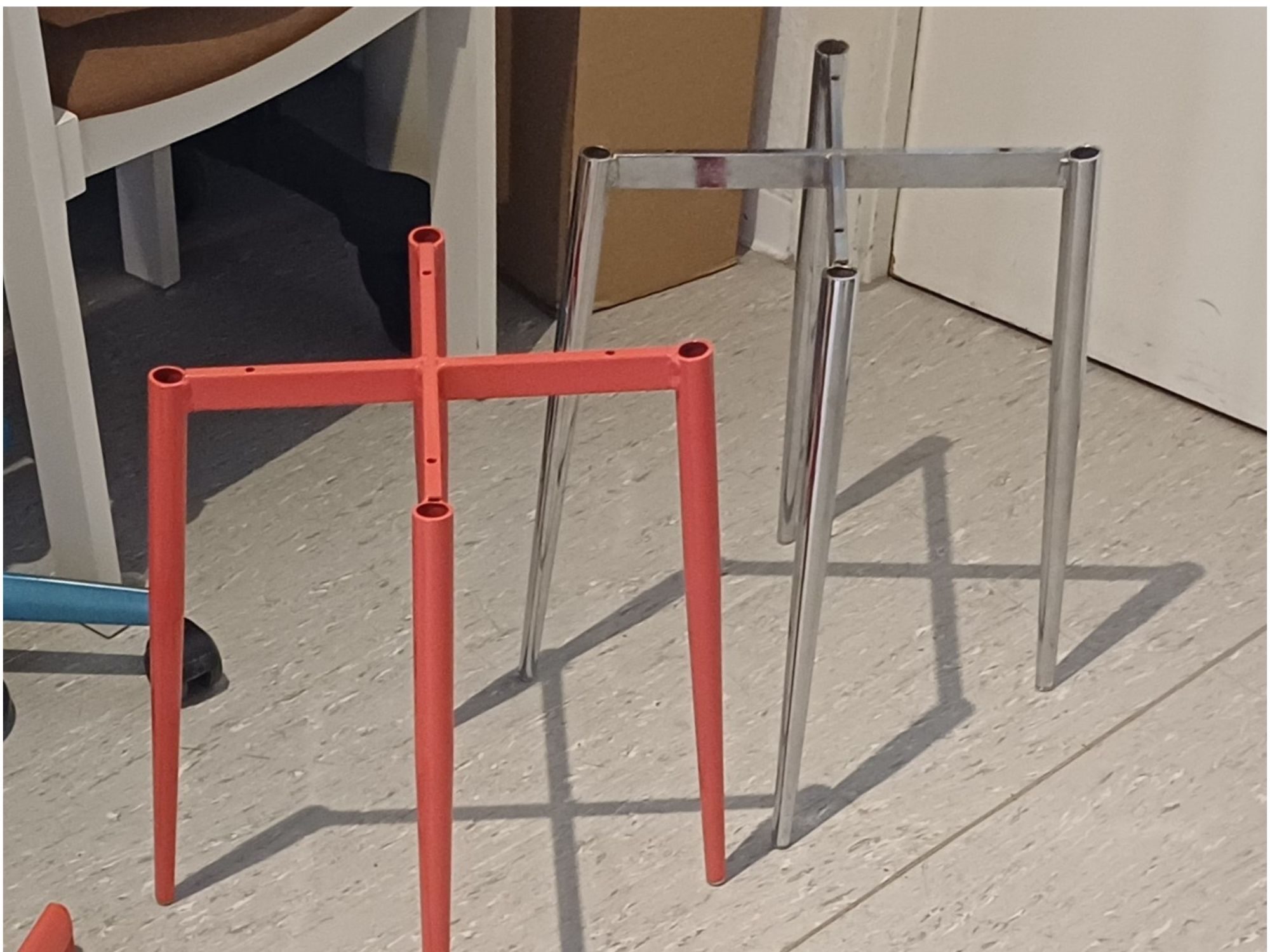
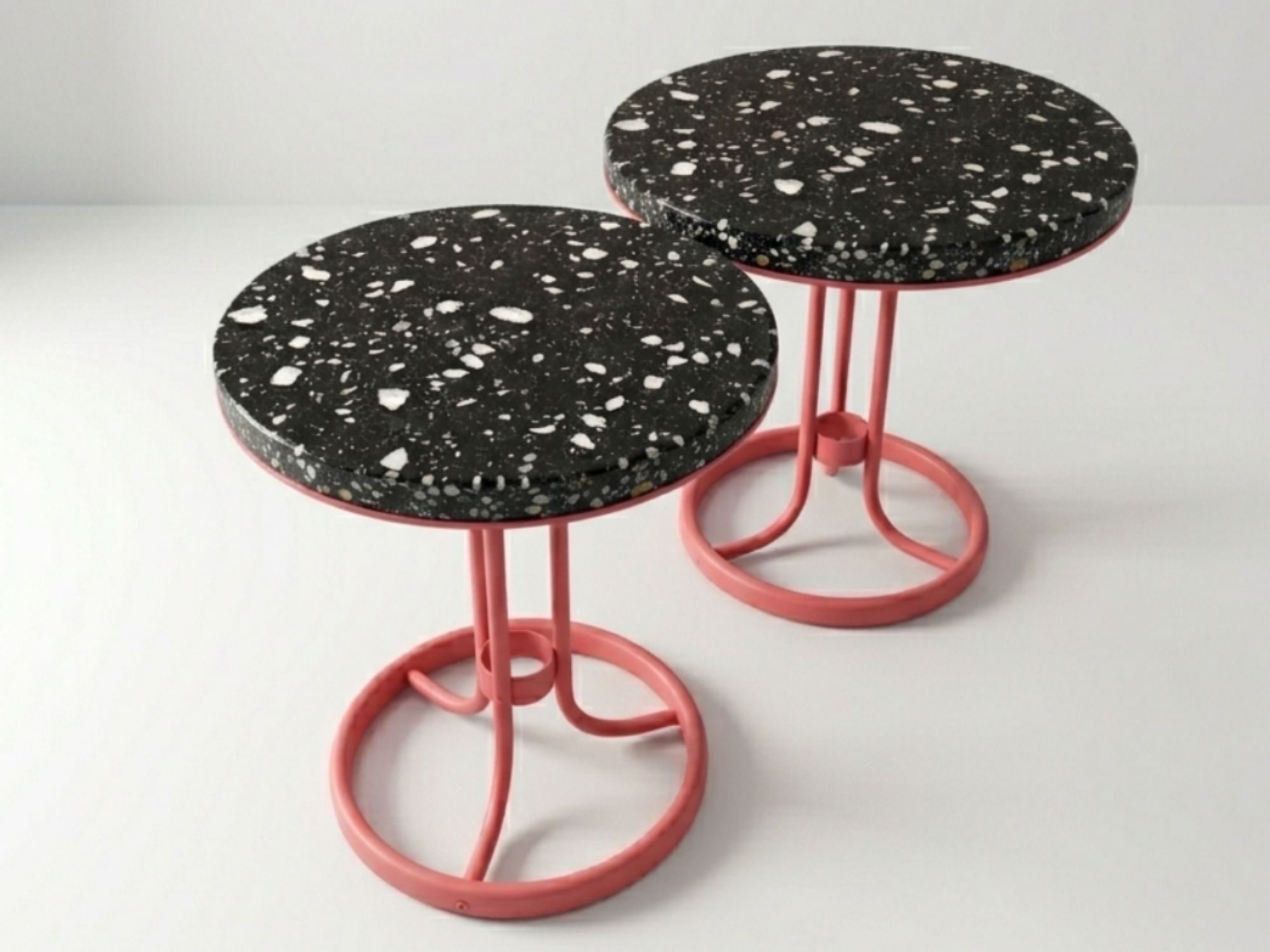
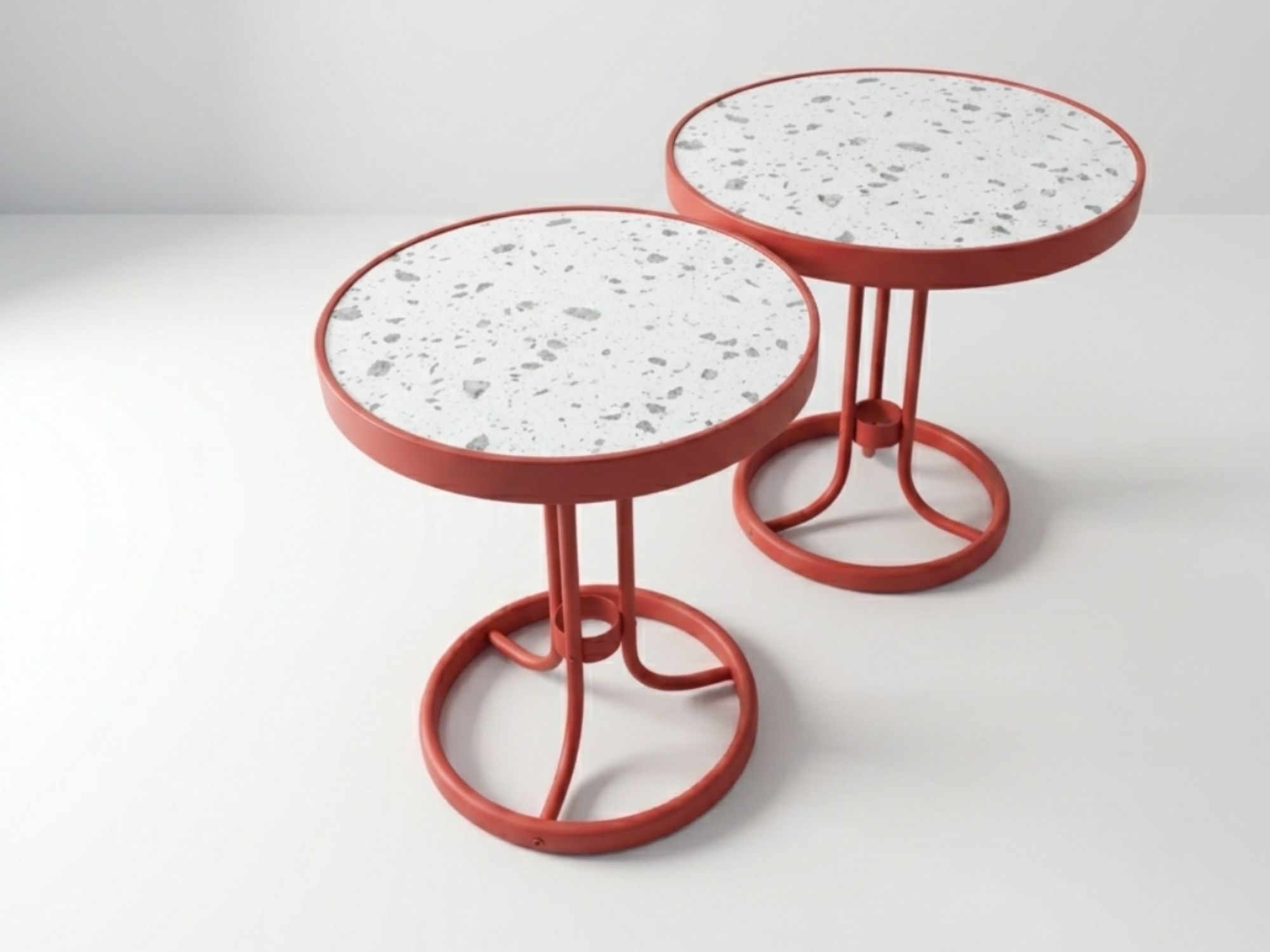
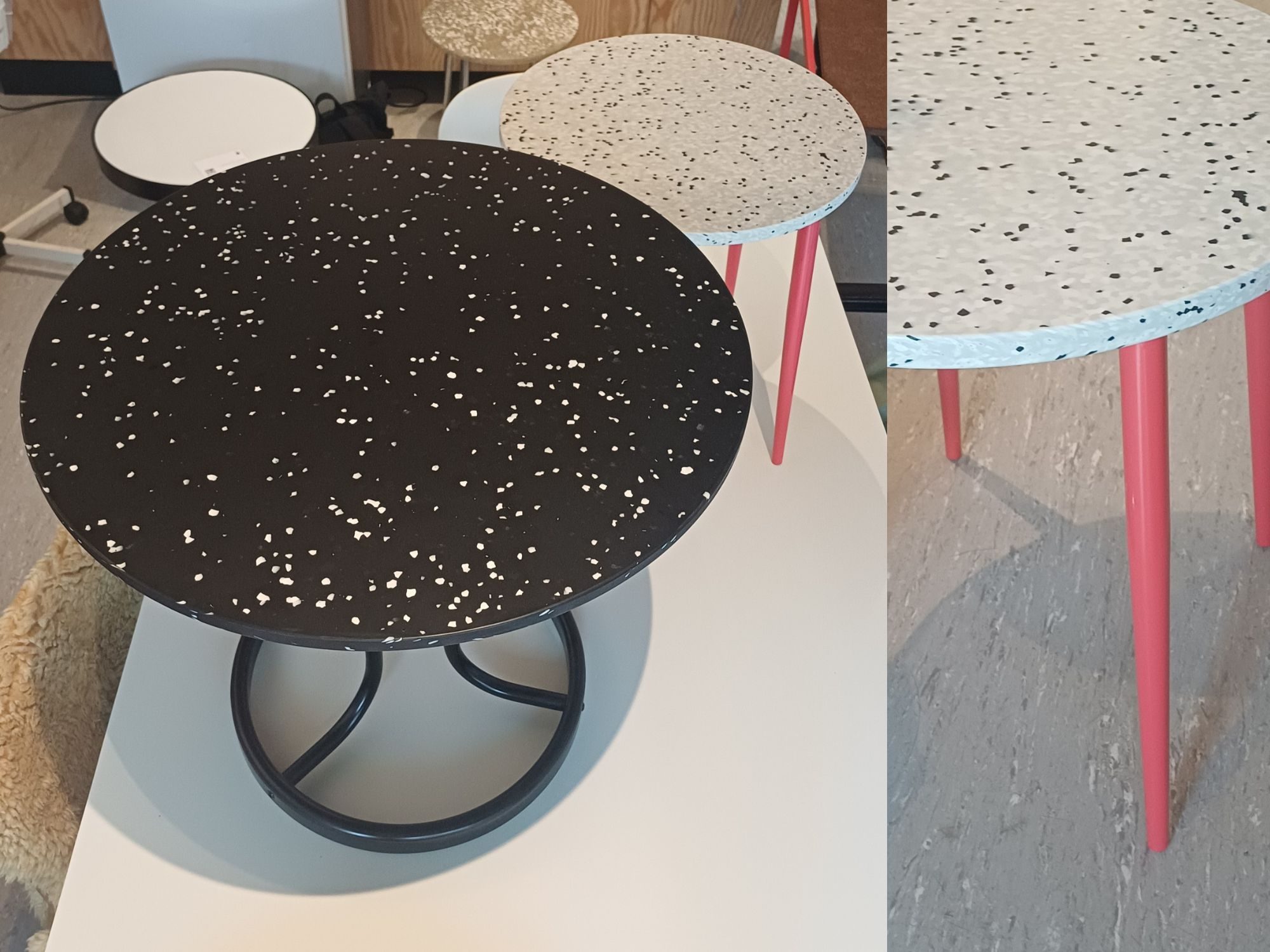
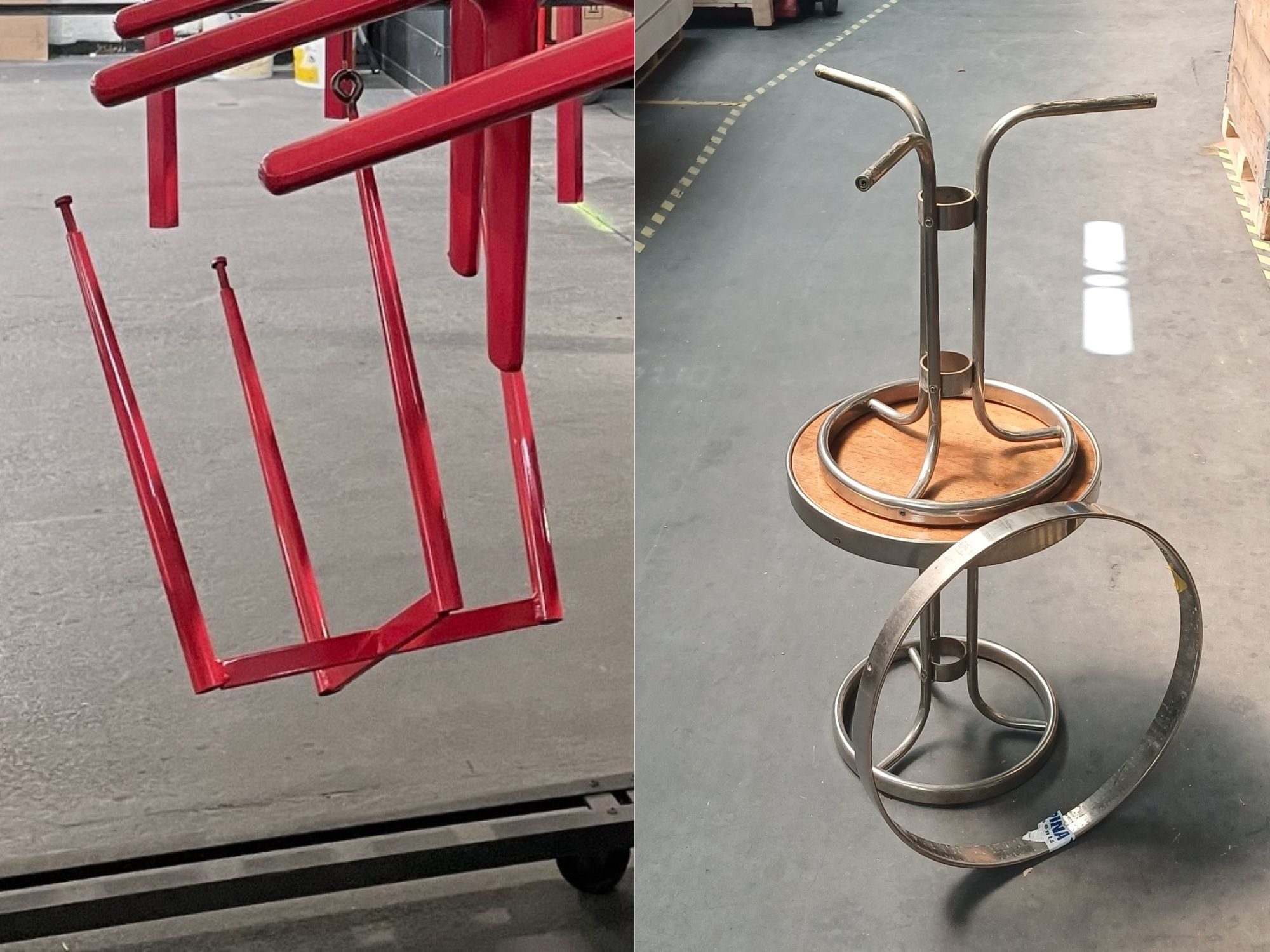
CIRC&LOV salvaged discarded cabin stools from a cruise ship and reimagined them: The sturdy metal frame remains, while the worn upholstery has been replaced with a CNC-milled tabletop made of recycled plastic with a terrazzo finish.
Customers customize their own piece: frame finish, seat design, edge shape—each combination is a numbered, one-of-a-kind item, locally crafted in Hamburg. A fixed portion of the proceeds from each sale goes to Hafen hilft e.V., the organization that originally rescued the stools.
That stool has seen the world. Now it’s time for it to settle down.


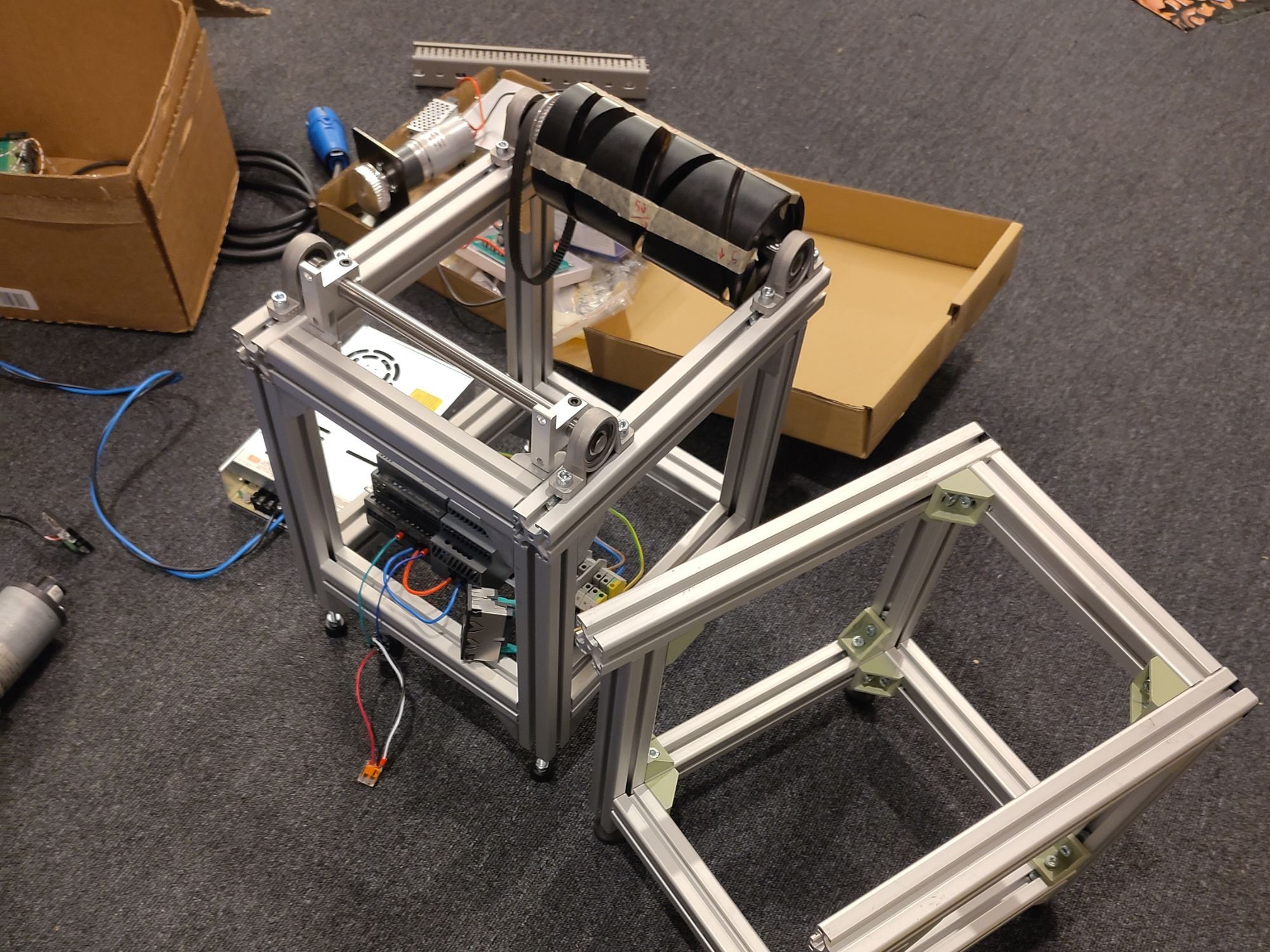
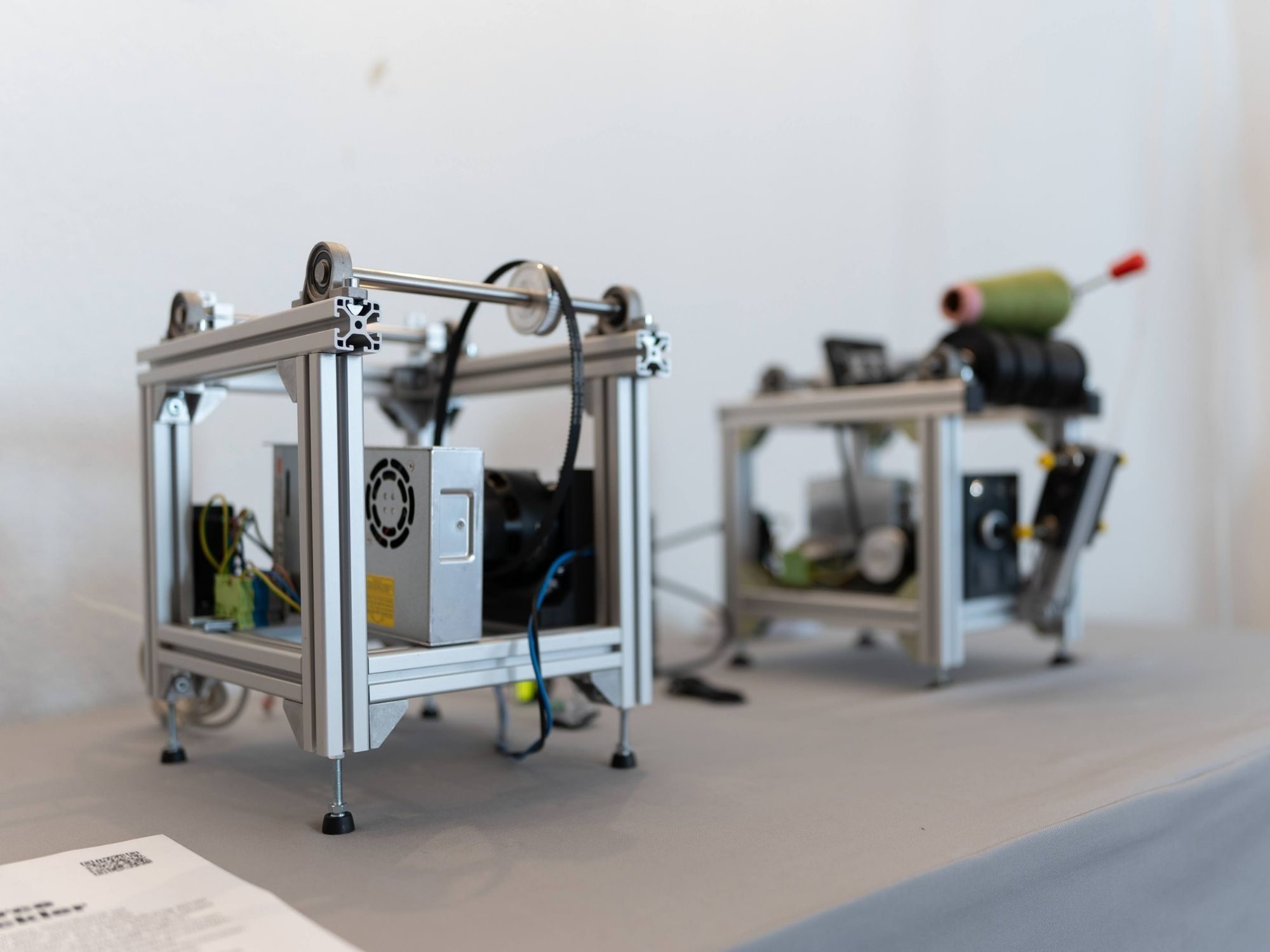
Open-Source Cone Winding Machine
Norman Heck
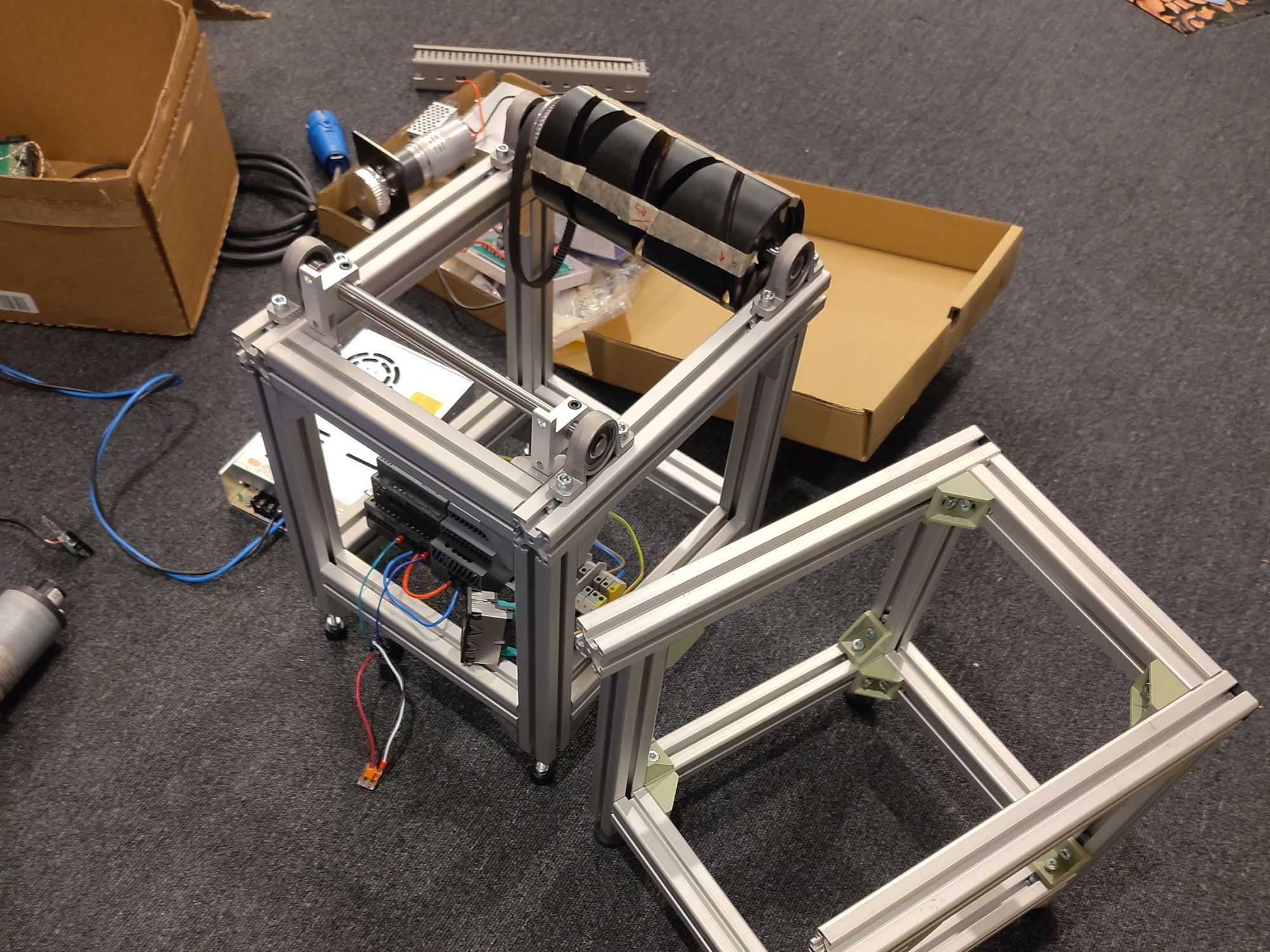
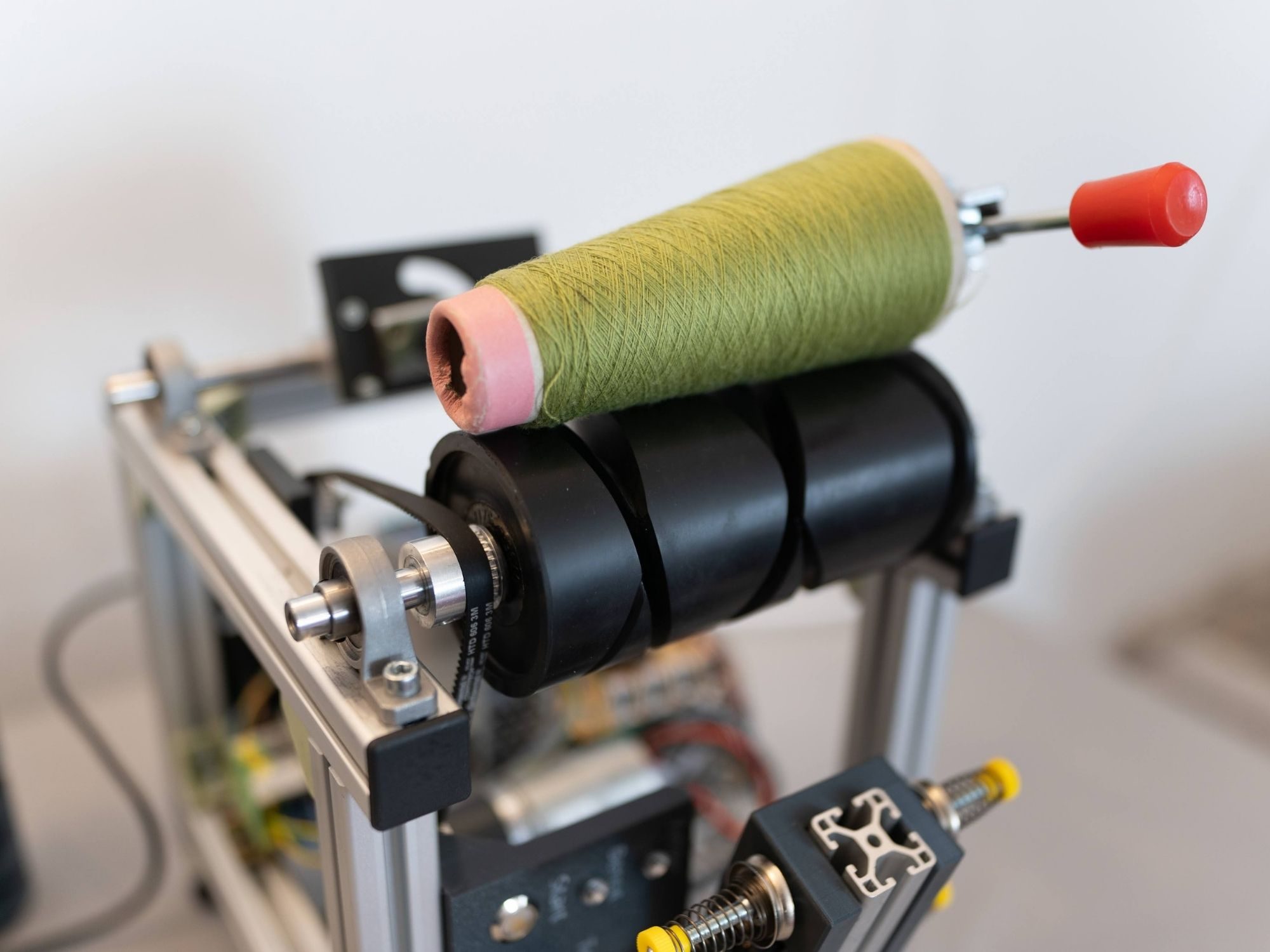
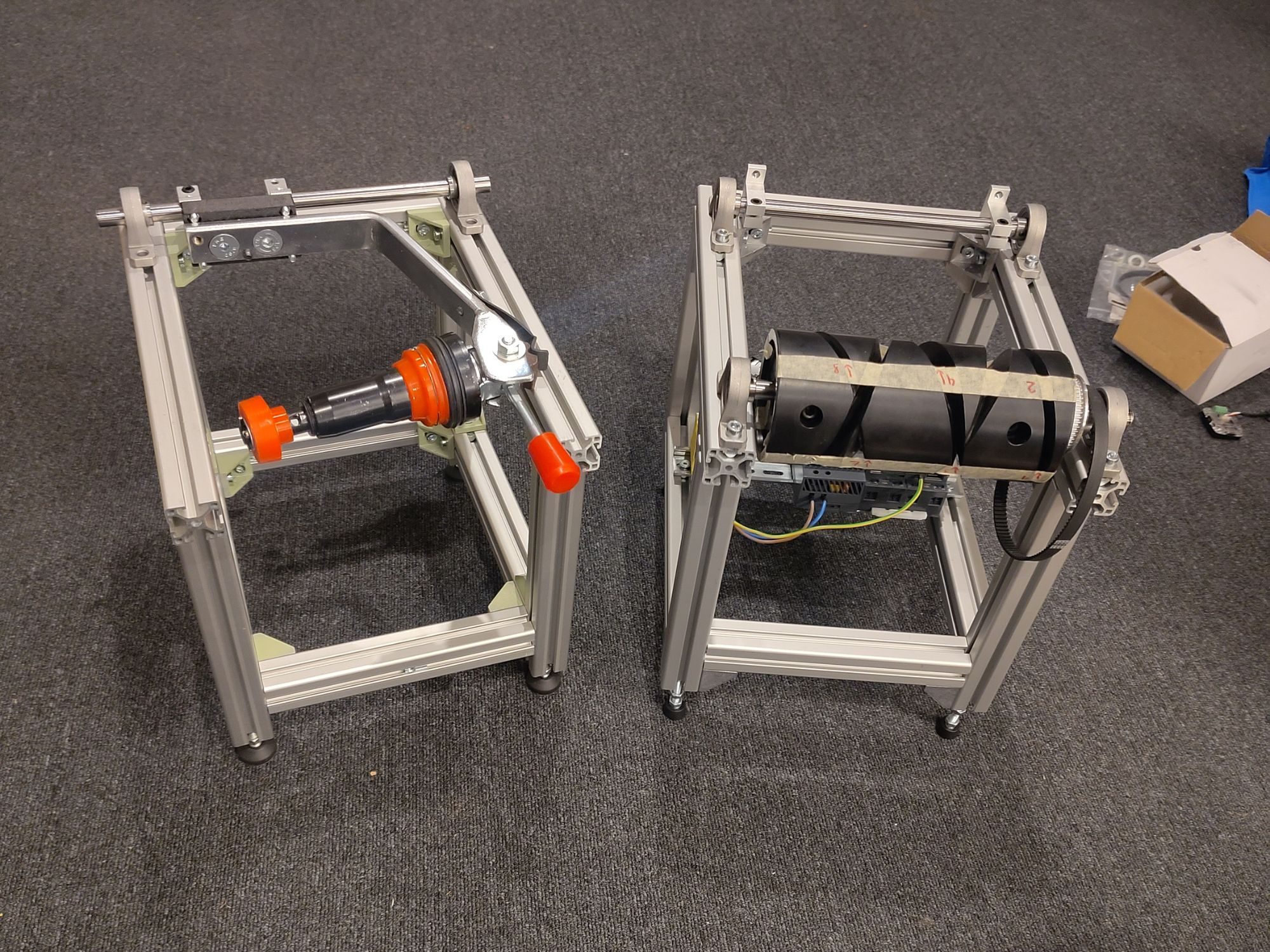
A uniformly wound yarn cone is essential for any machine-based textile production. The winding machines needed to produce such a cone are virtually inaccessible to small labels and local production facilities. There is a lack of affordable solutions; industrial machines are oversized, expensive, and difficult to maintain.
This project is developing an open-source alternative: a precise, modular cone winder that can be manufactured locally and is documented and freely available to everyone. This makes a core technology accessible—to workshops, small production facilities, and anyone who envisions decentralized textile value creation.


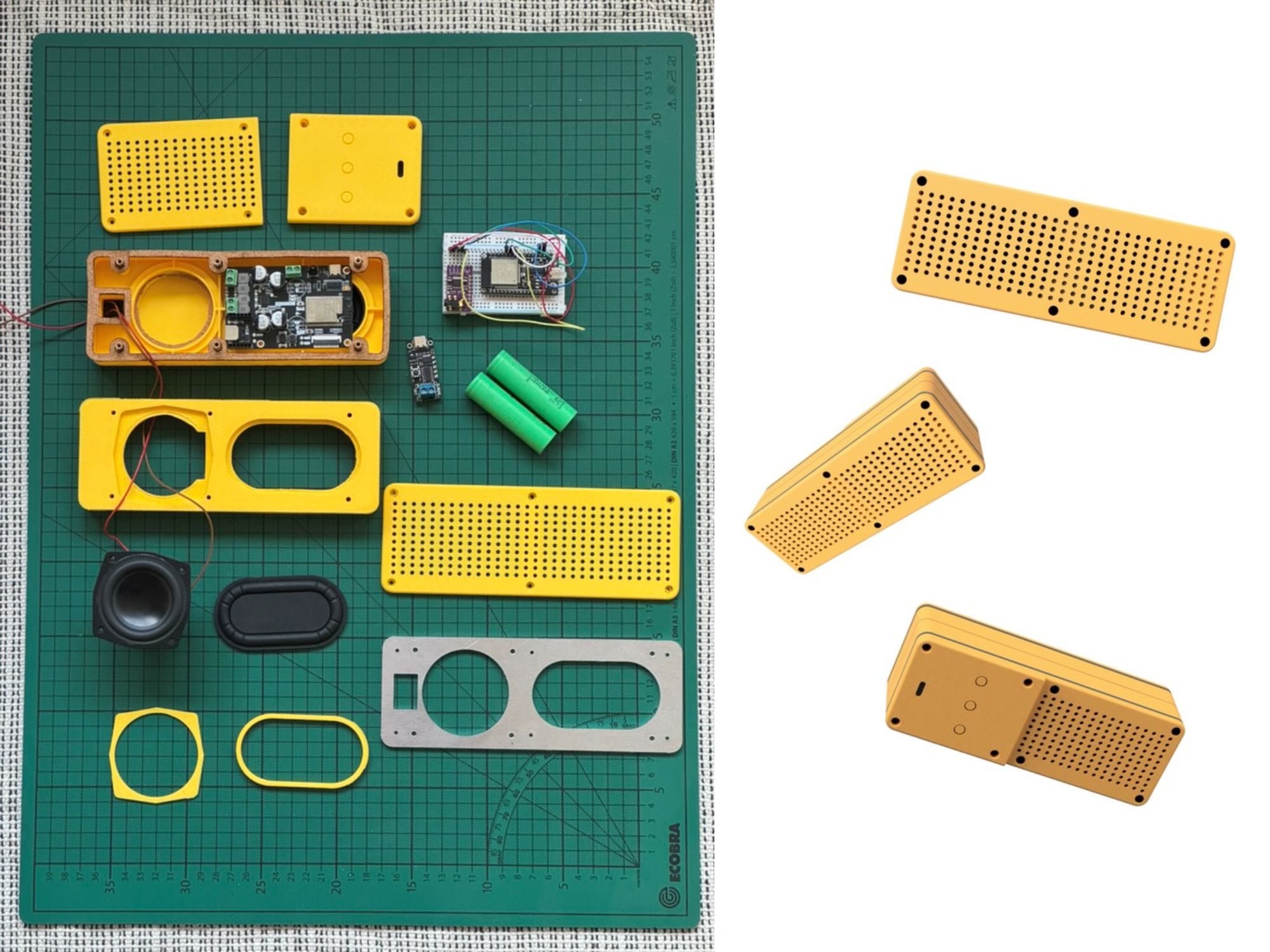
BIENLEIN Bluetooth Speaker
Luis Blotevogel
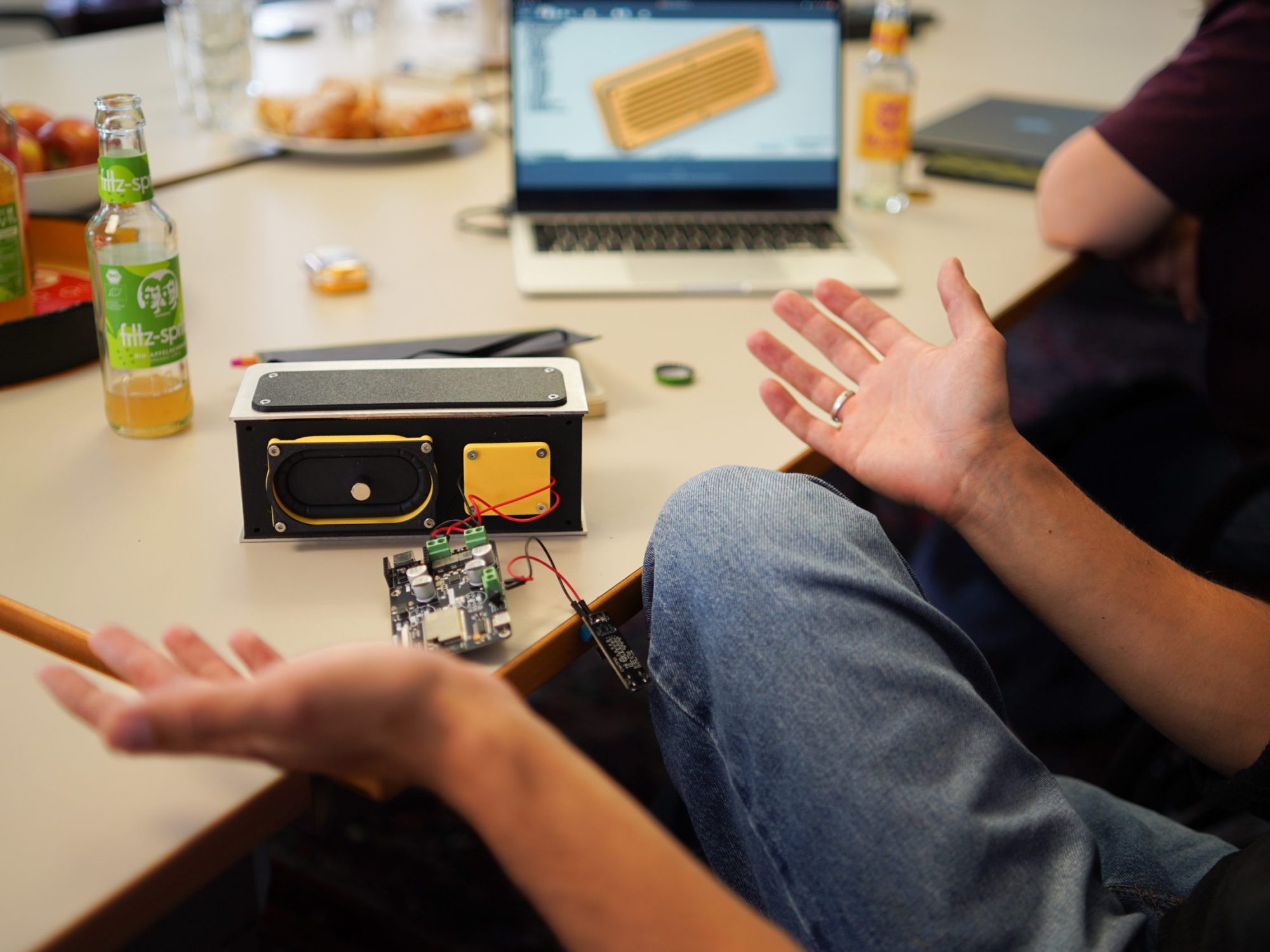
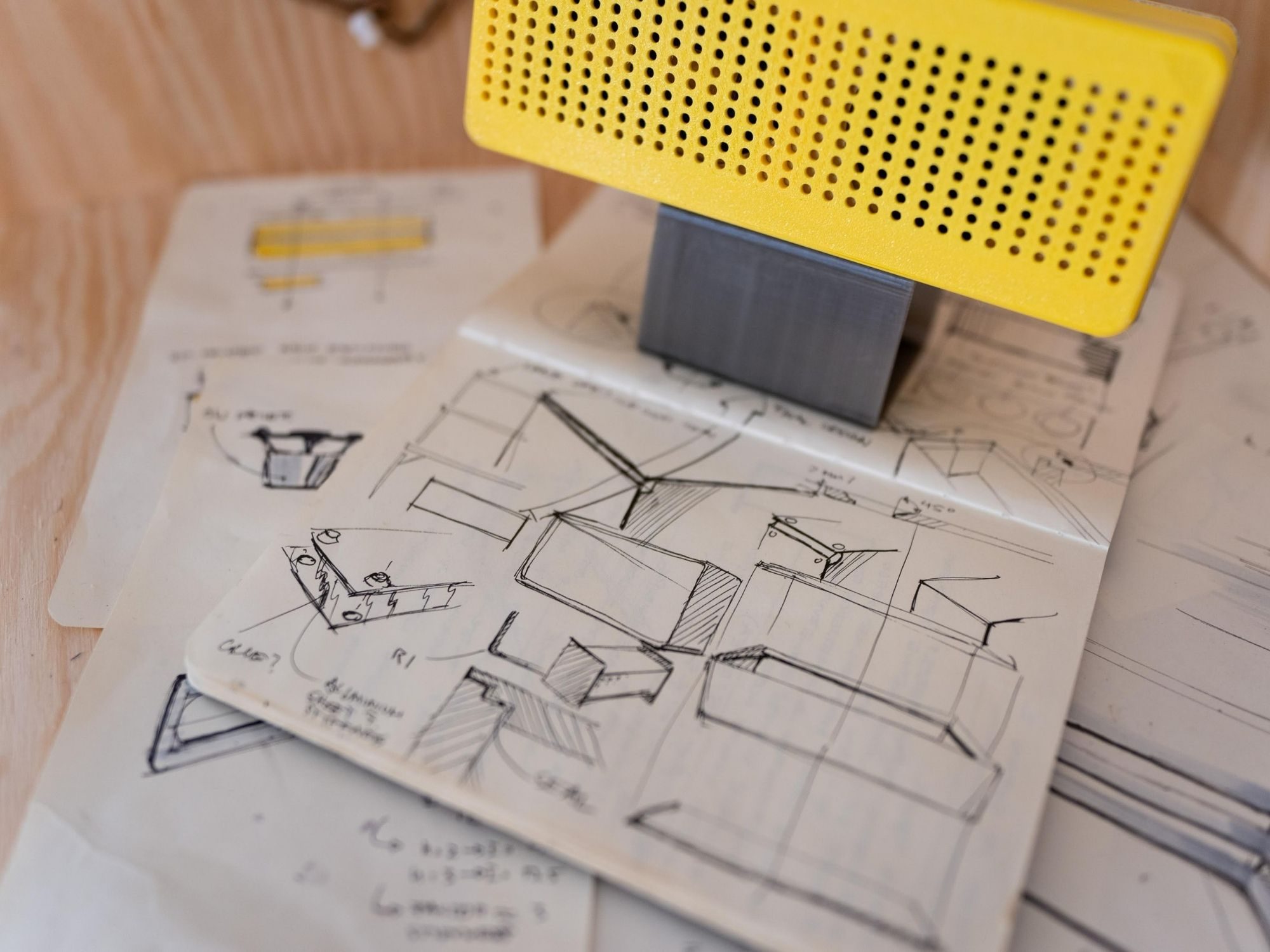
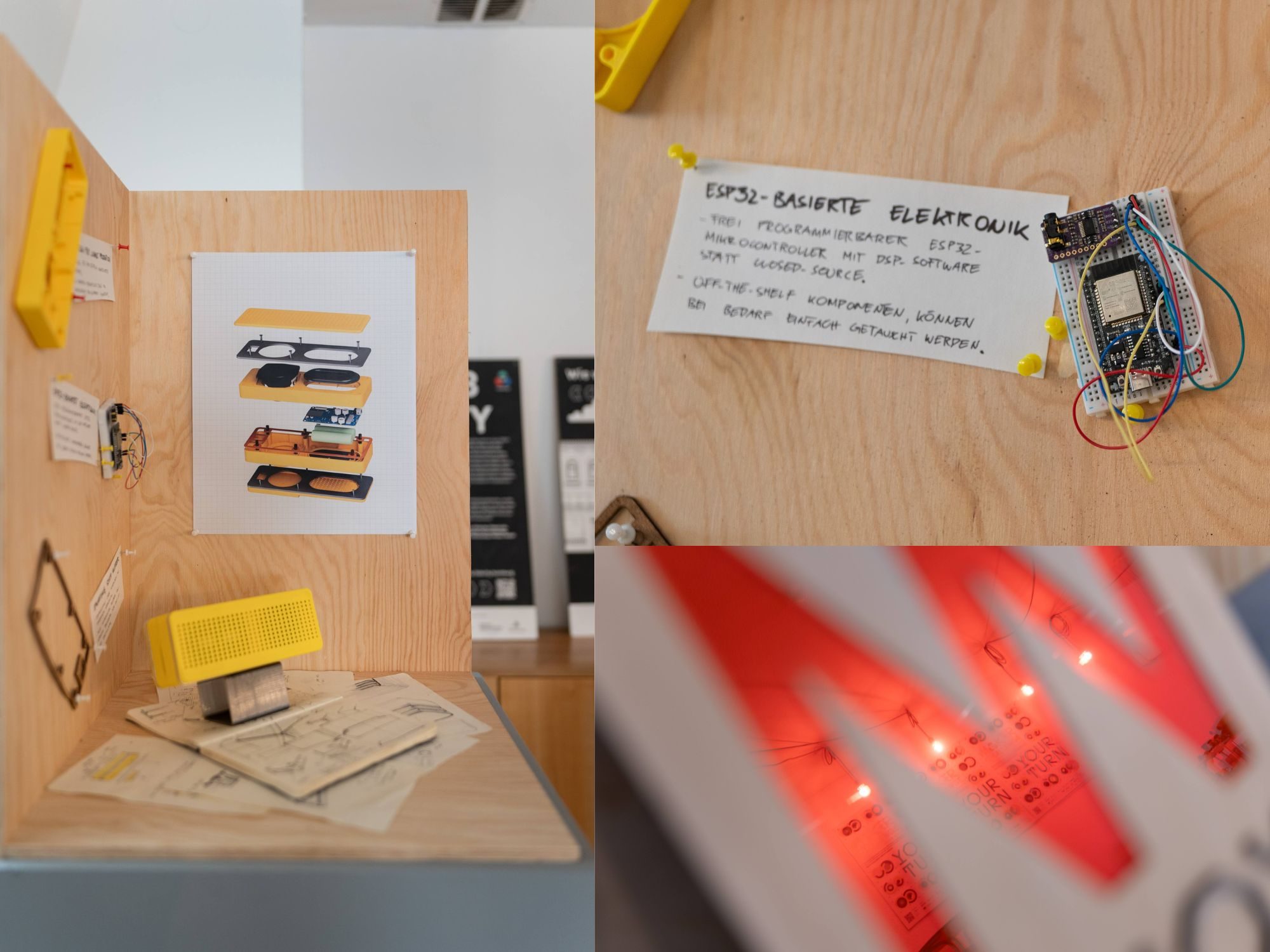
A broken battery shouldn’t mean the end of an entire Bluetooth speaker. BIENLEIN follows a circular design approach with local production: a housing made of three materials—3D-printed plastic, cork, and aluminum—assembled without a single drop of adhesive so that the parts can be easily disassembled later. If a housing component is damaged, it can be reproduced at the nearest Fab Lab using open manufacturing data.
Is the battery running low? Two new 18650 cells are available for €7 each, and the electronic components can be swapped out using plug-in connectors. The sound profile is fully programmable, and the housing design and colors can be customized via 3D printing. That’s how you turn any speaker into your very own.


EverCharge - the modular Second Life power bank
Trinity Schlosser
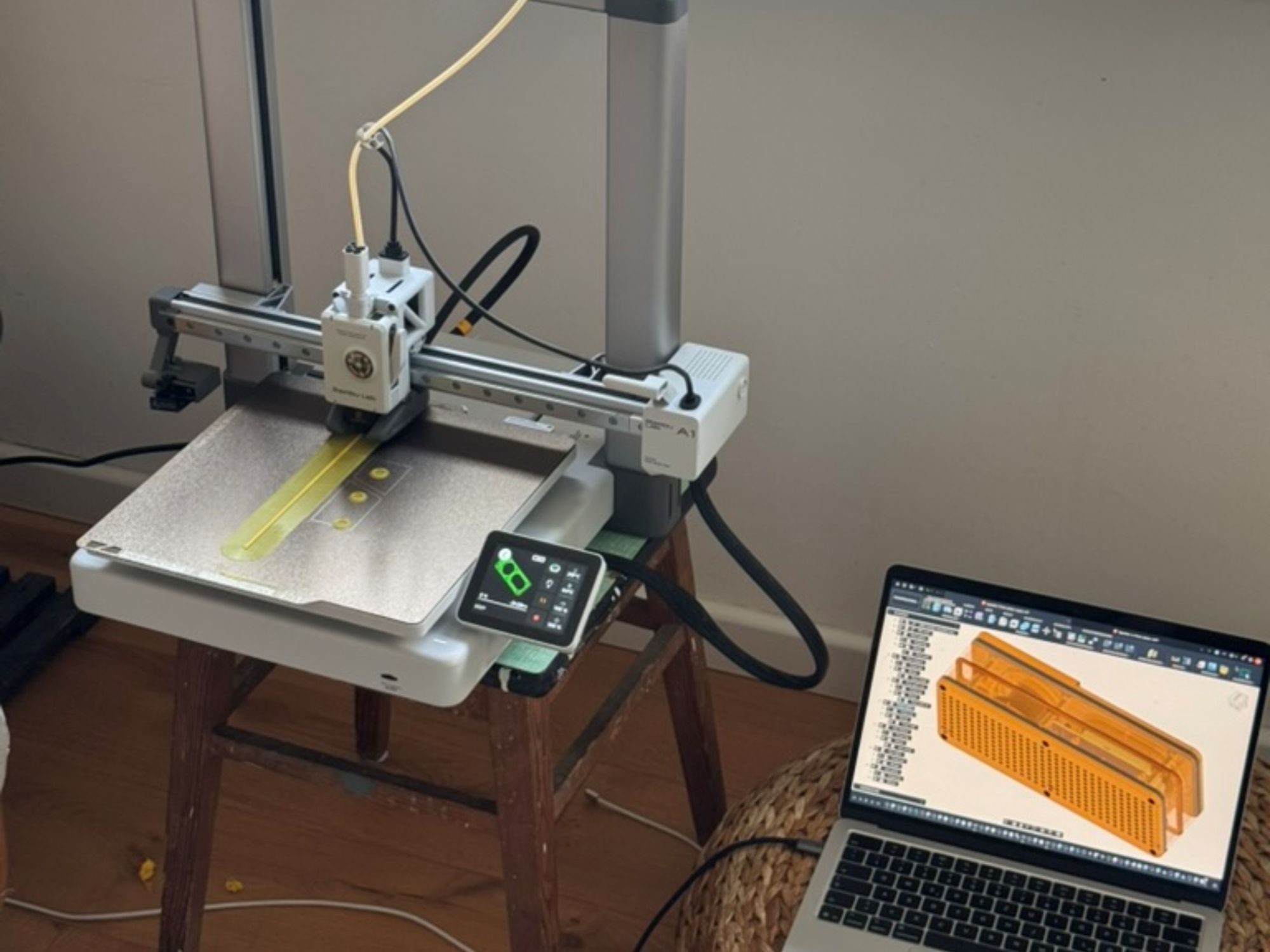
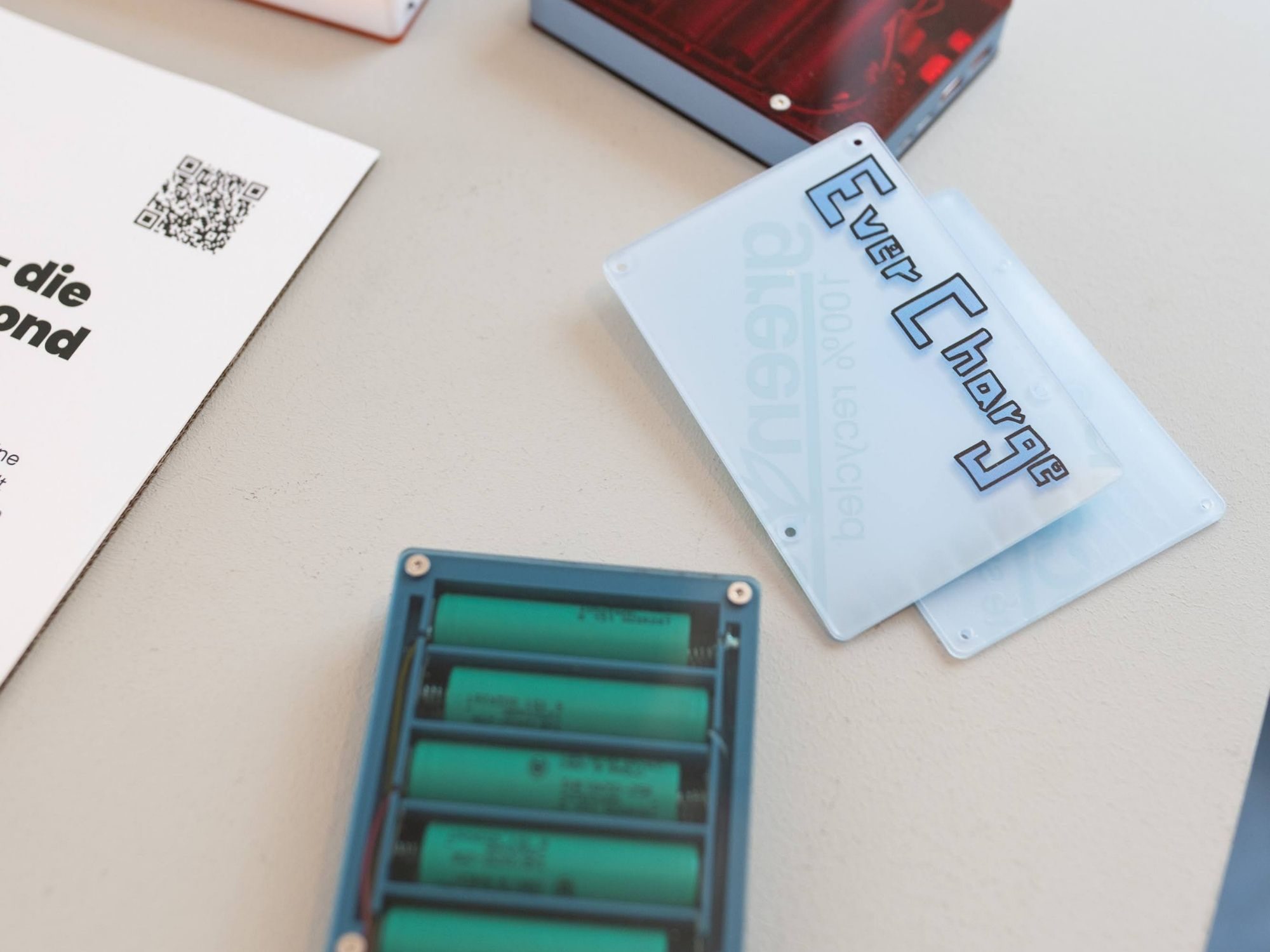
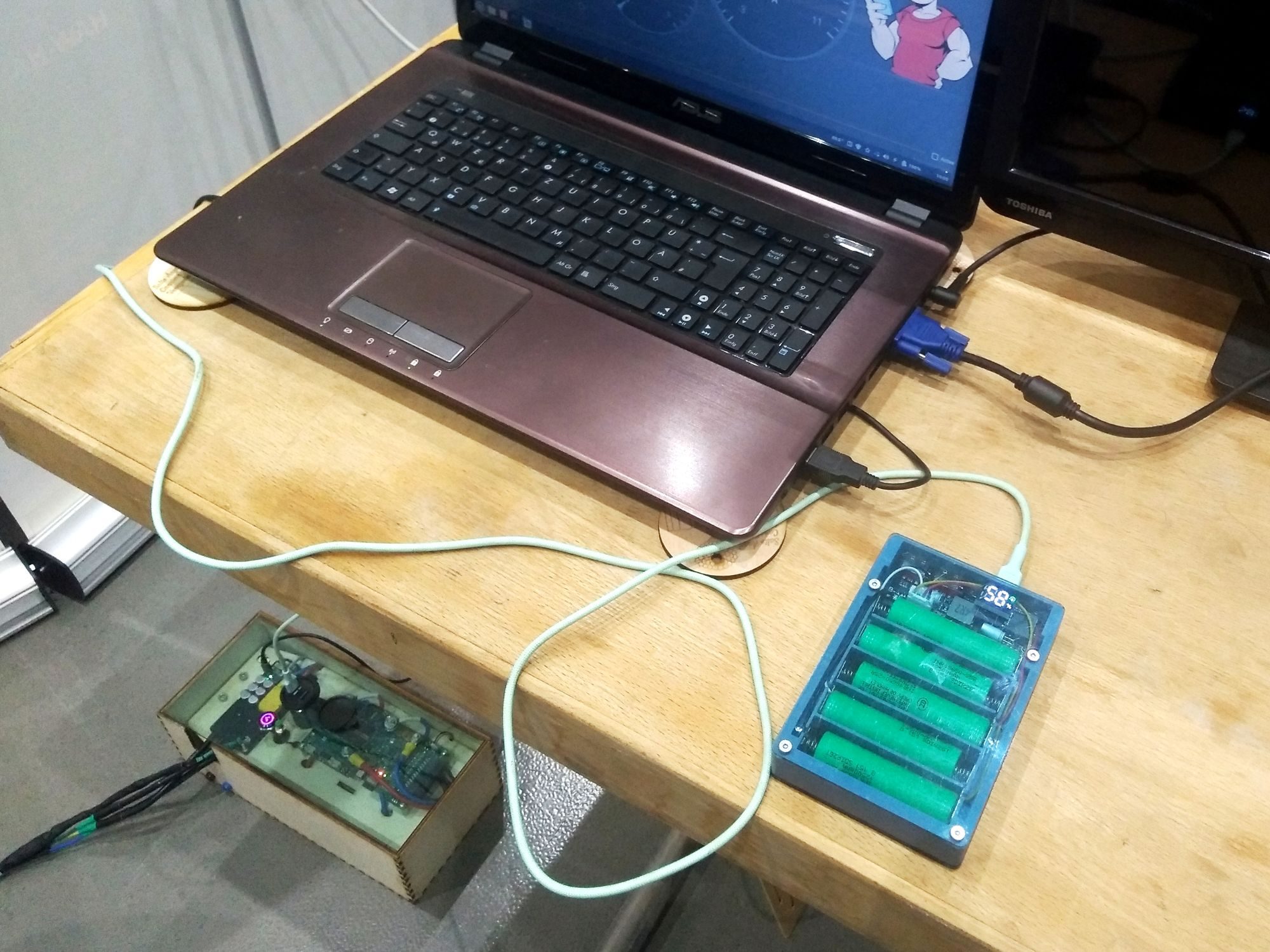
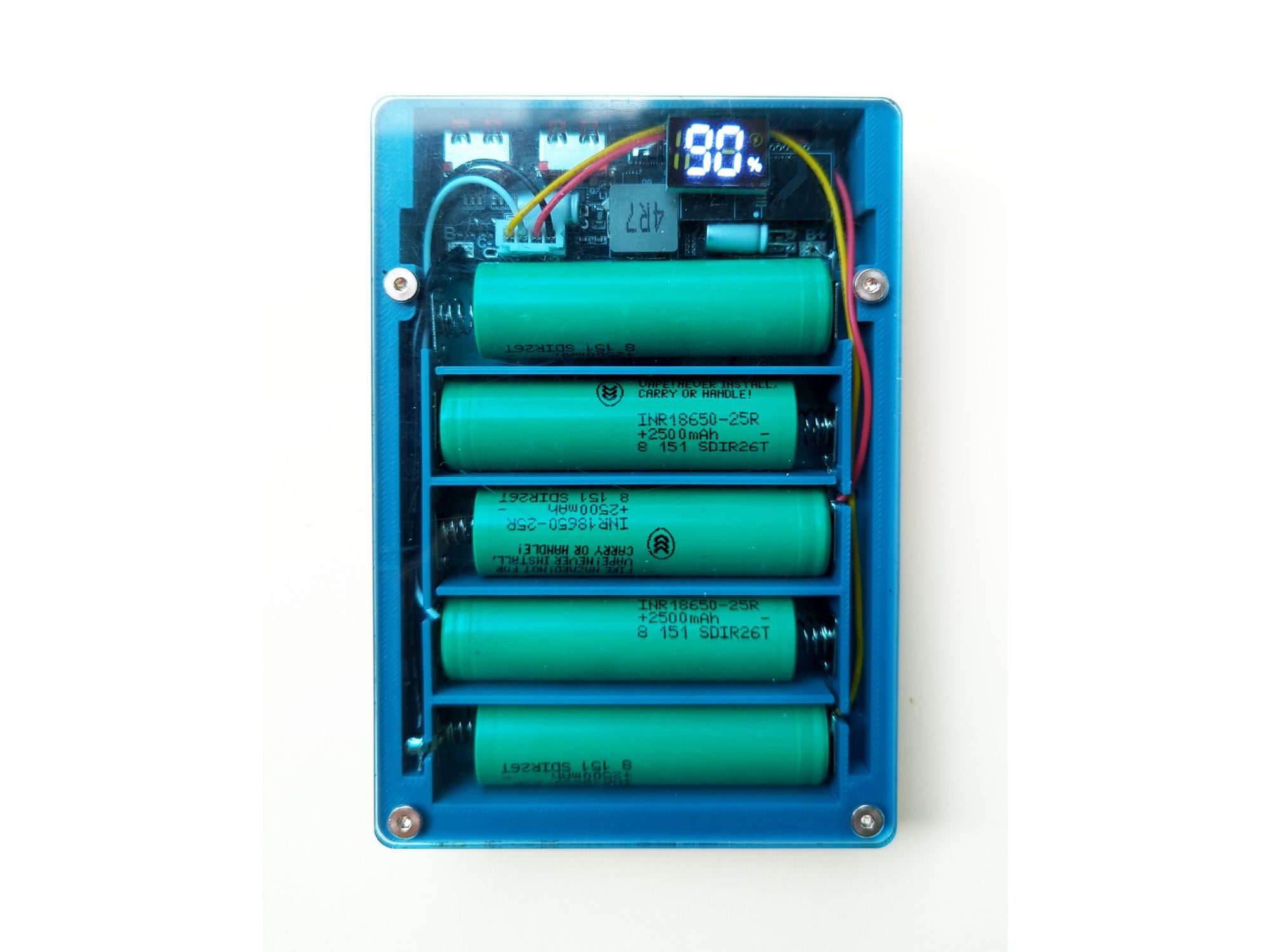
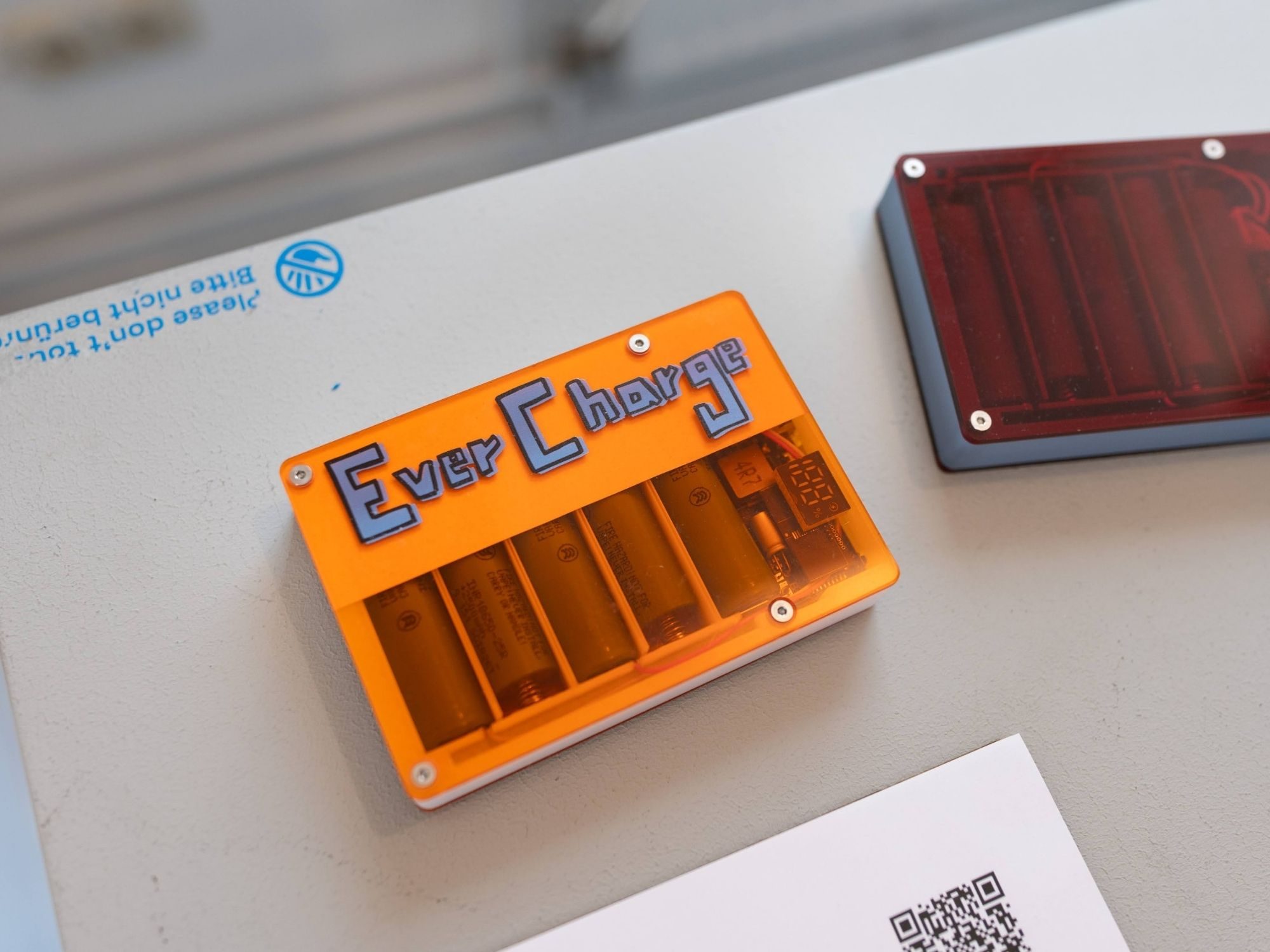
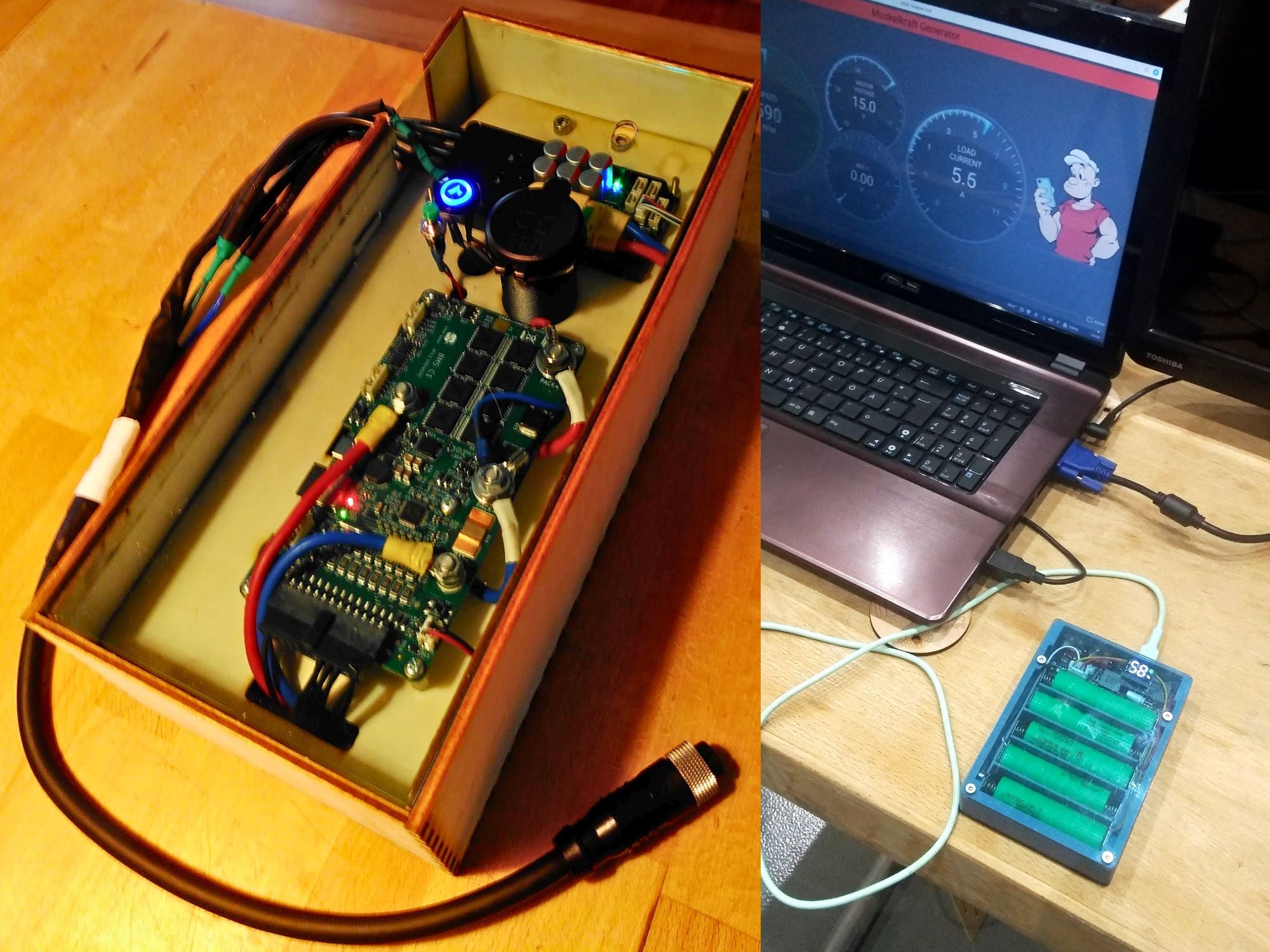
Why throw away a power bank when only one of its two battery cells is running low? EverCharge asks this question and answers it with a well-thought-out design: a modular case that opens without tools, allowing standard 18650 battery cells to be swapped out with a single click—no screws, no technical expertise, and no need to buy a new one.
The 3D-printed housing made of recycled plastic reveals the technology rather than hiding it. Skeleton-like cutouts reduce material usage, improve cooling, and explain the product through its form. Locally manufactured in Hamburg’s Fab Labs, openly documented, and expandable.


Neighborhood Tool-Sharing Locker
Azadeh Haratiannezhadi
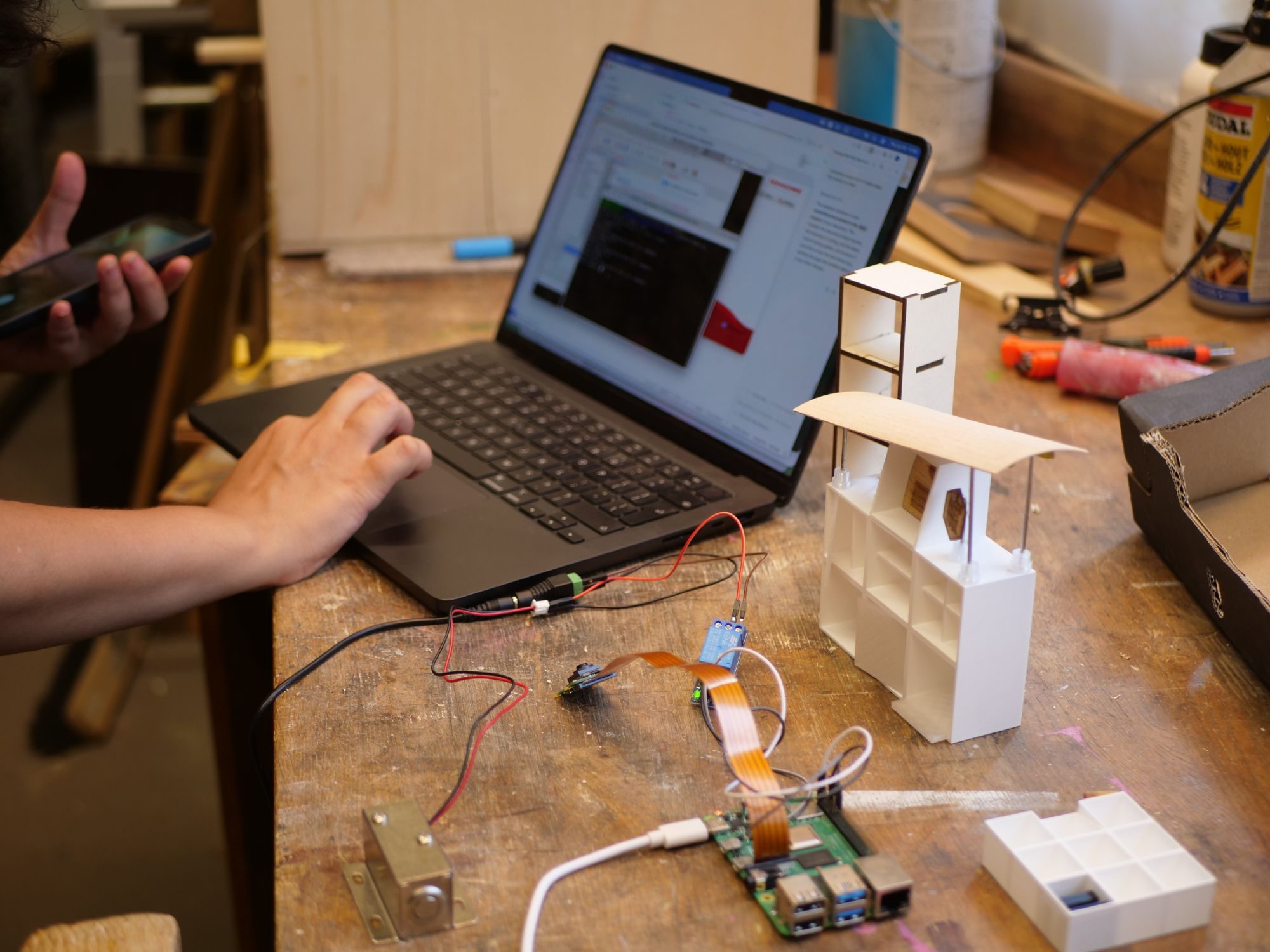
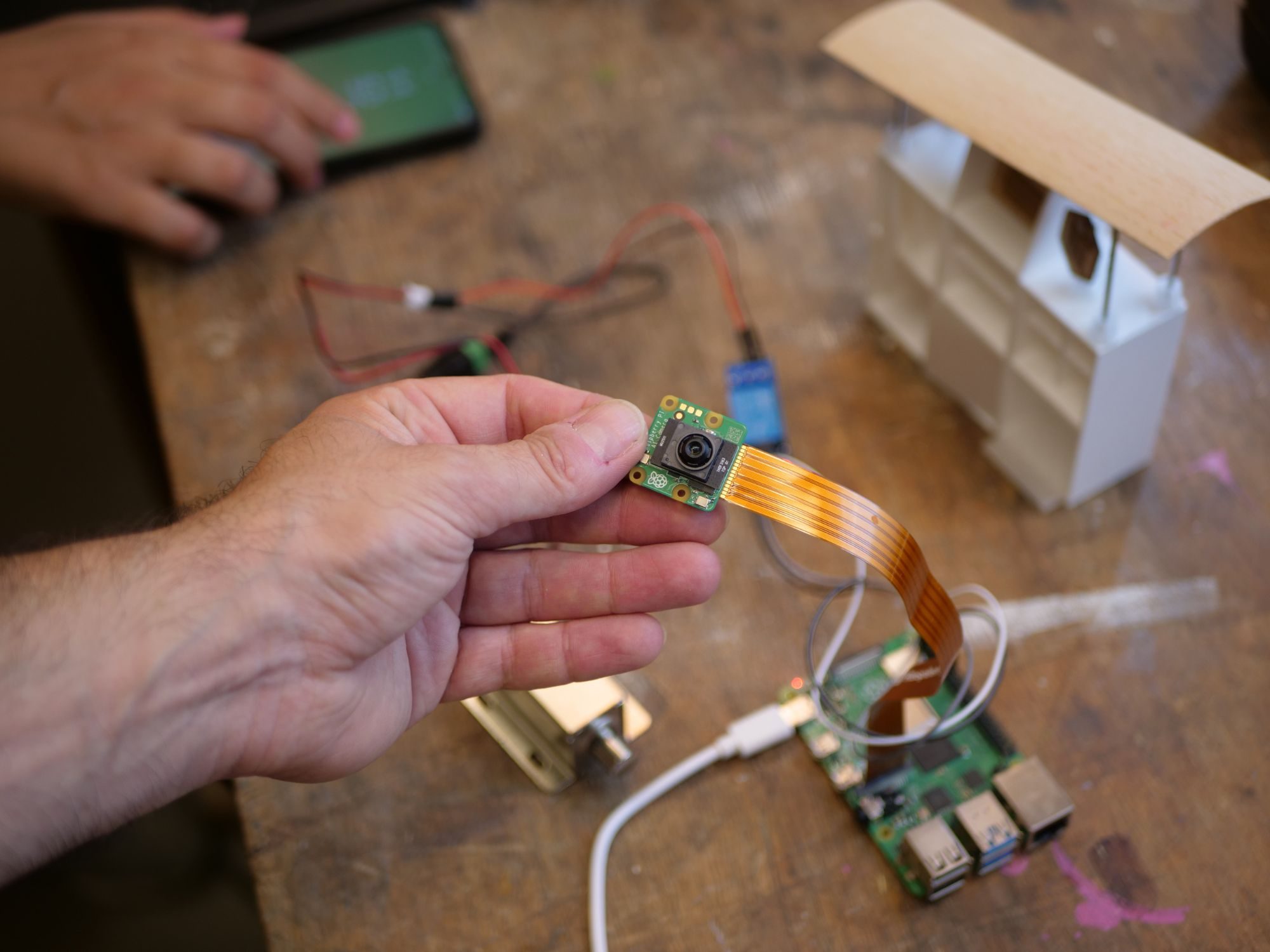
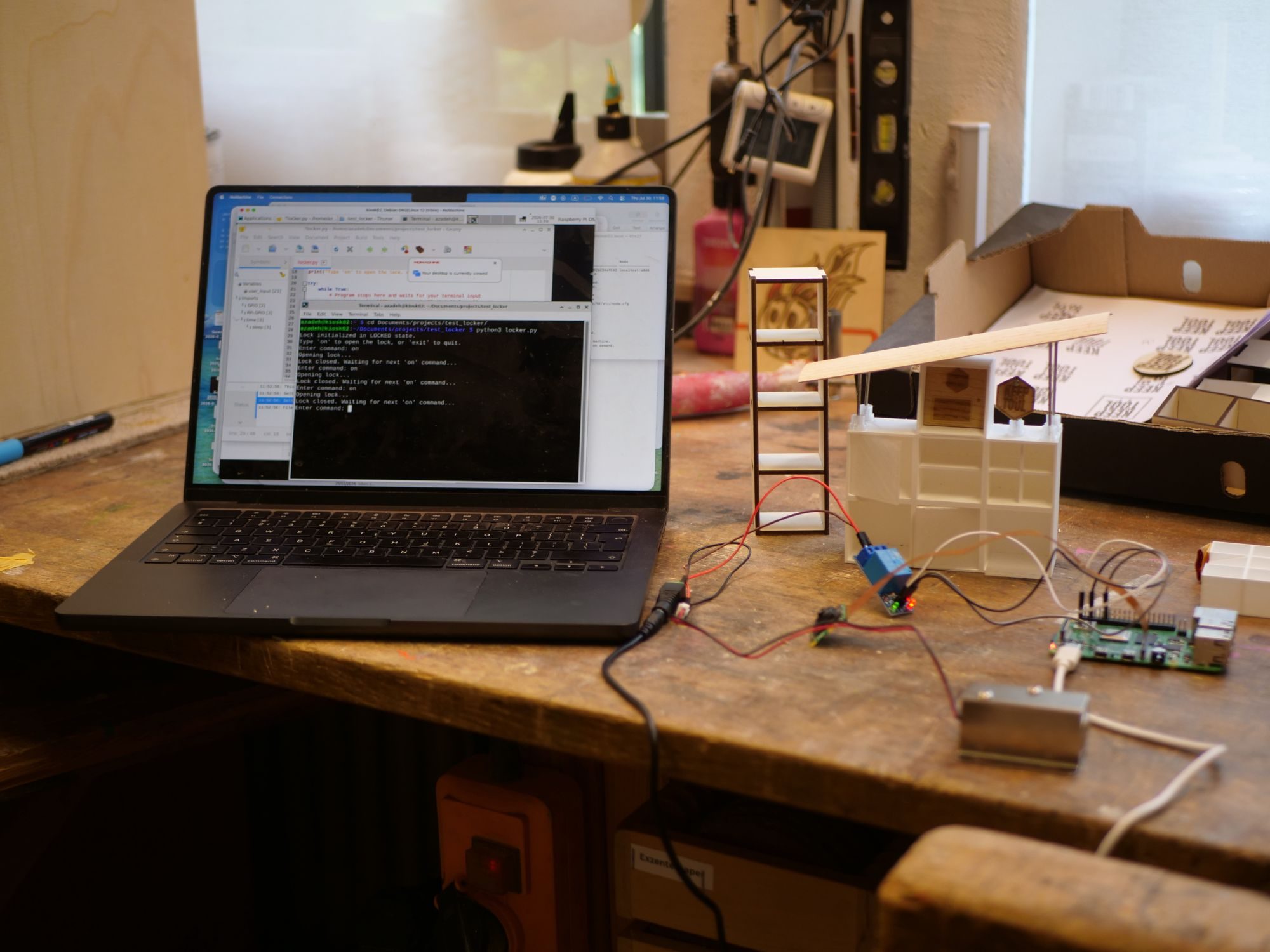
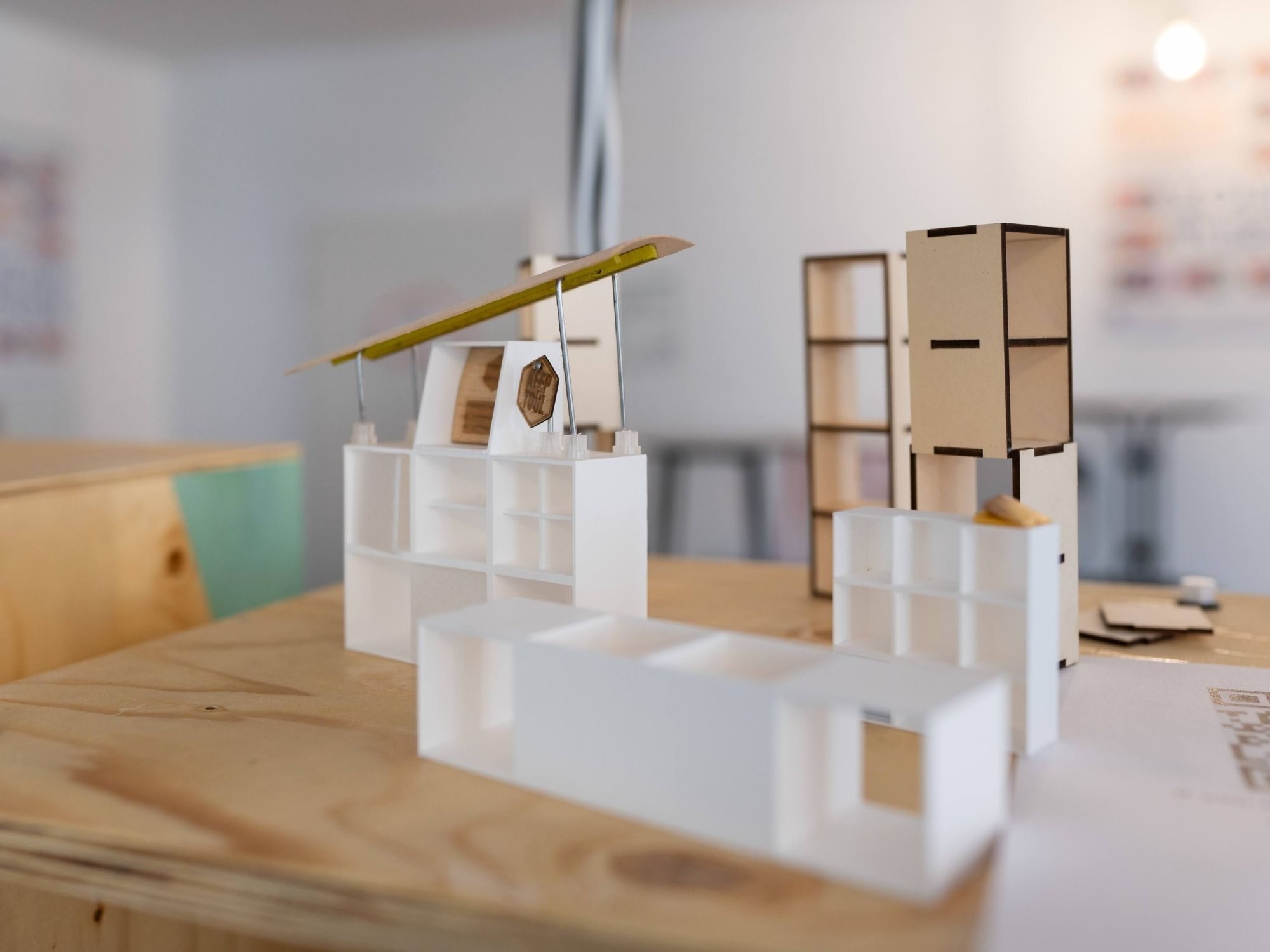
No one needs to own a drill that’s used only once every three years. The Smart Neighborhood Tool-Sharing Locker creates a shared infrastructure: a modular locker system that allows neighbors to easily borrow and return tools—using an RFID card or QR code, securely and with a clear audit trail.
The system is designed for local fabrication in a Fab Lab: laser-cut wood or metal panels, open-source electronics—customizable and scalable. It can be installed in homes, community centers, or public spaces. Less unnecessary consumption, fewer unused tools in basements—and a concrete reason to connect with one another.


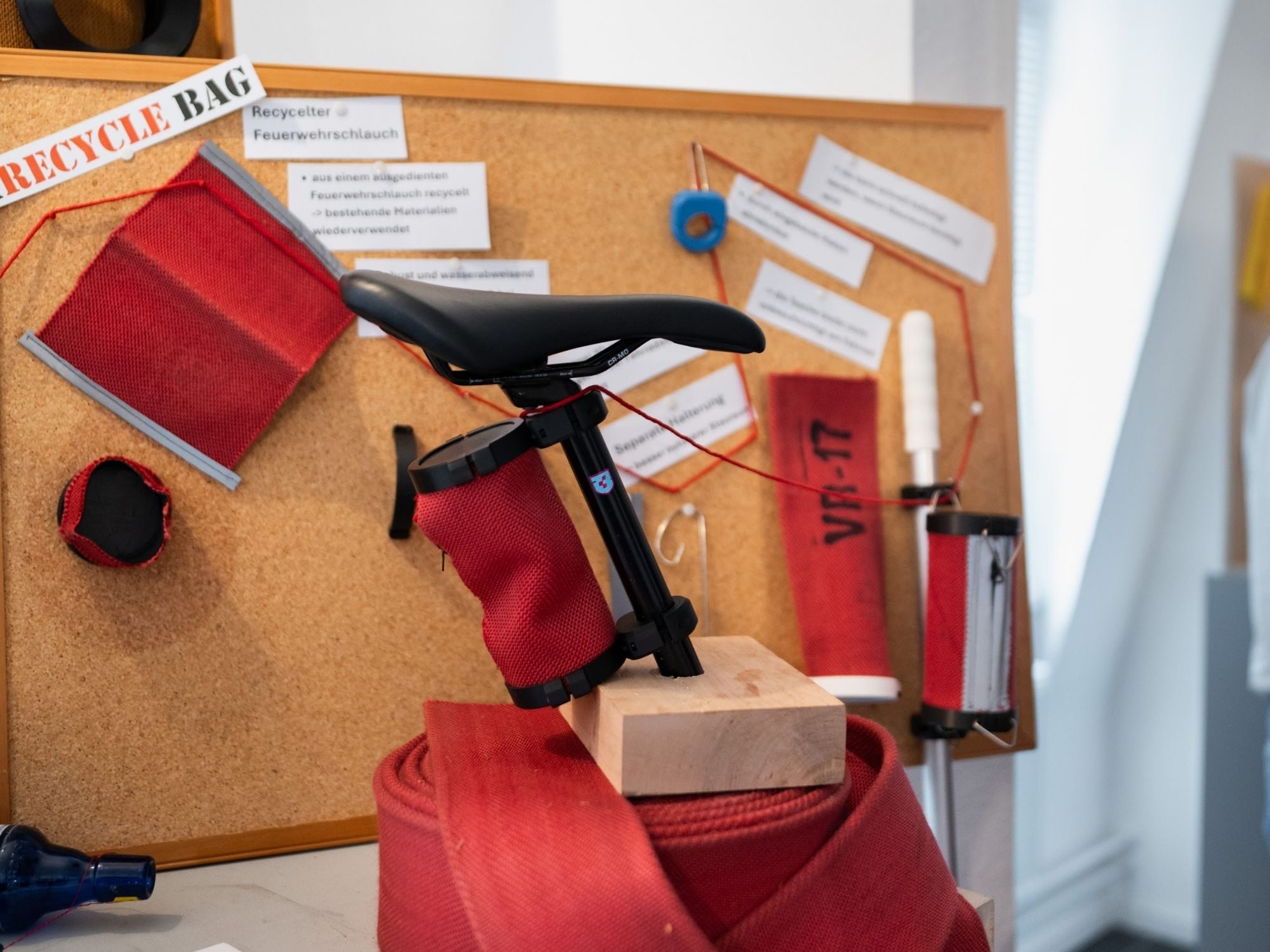
Firecycle bag
Hannah Marxen
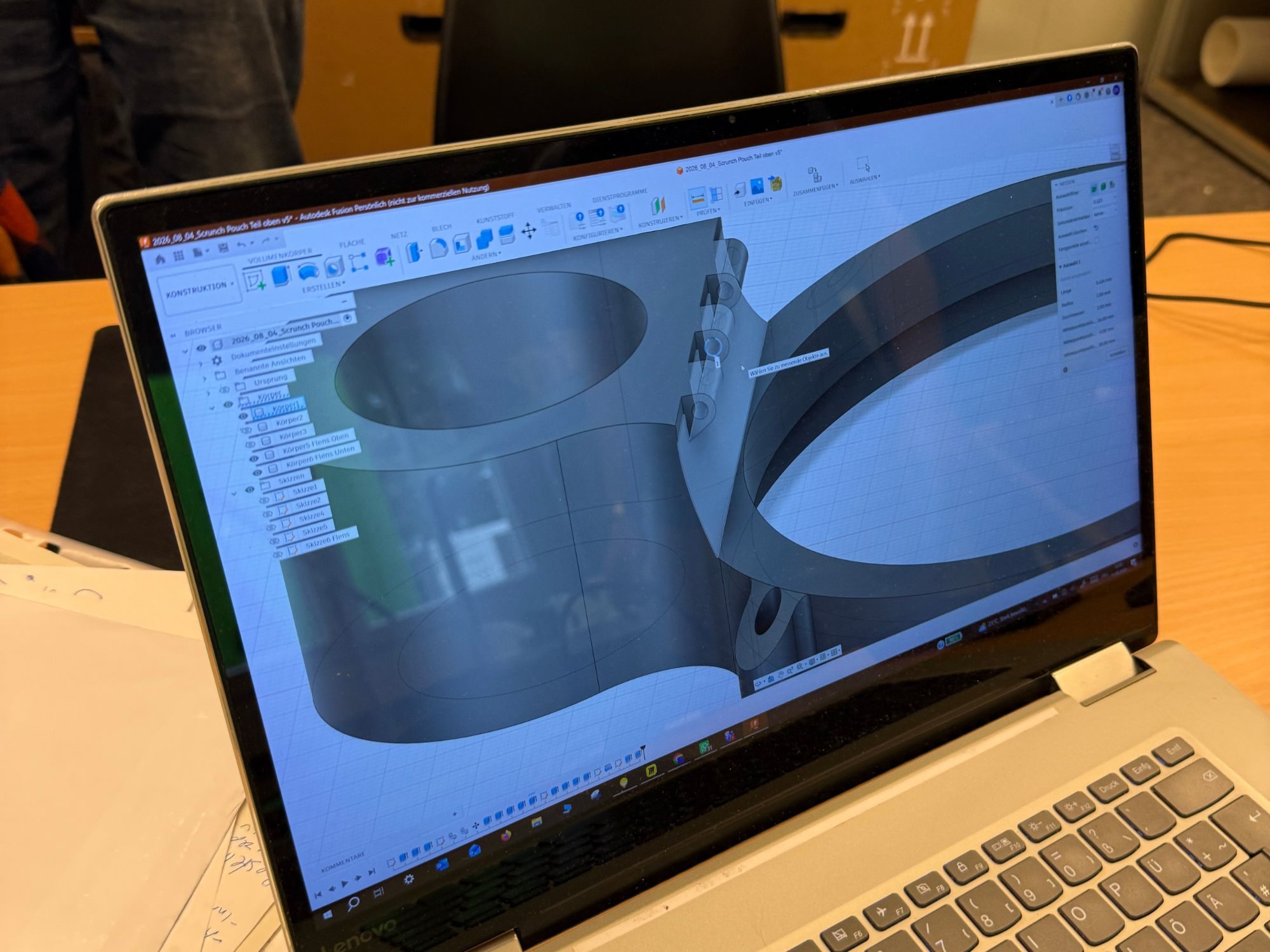
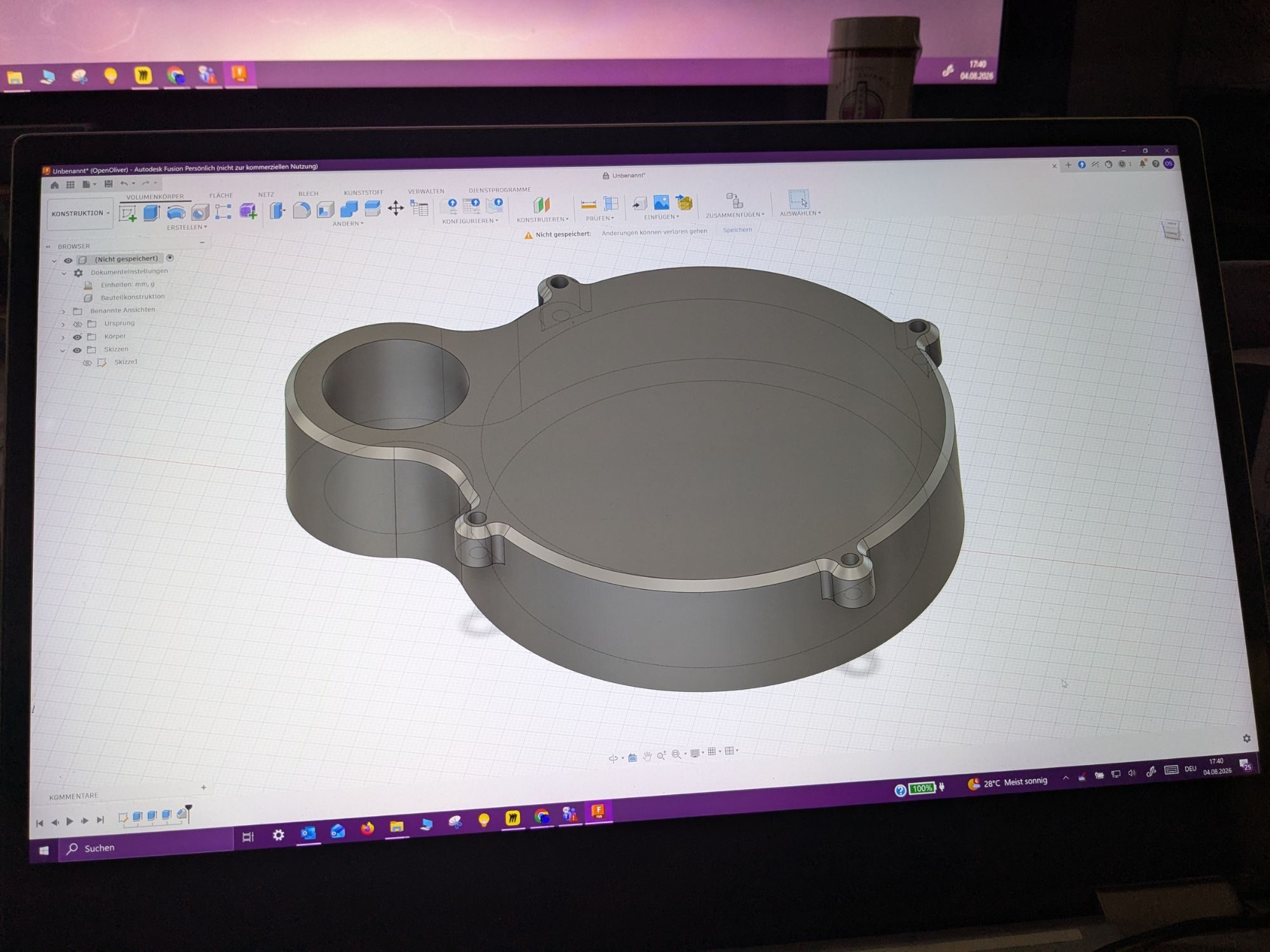
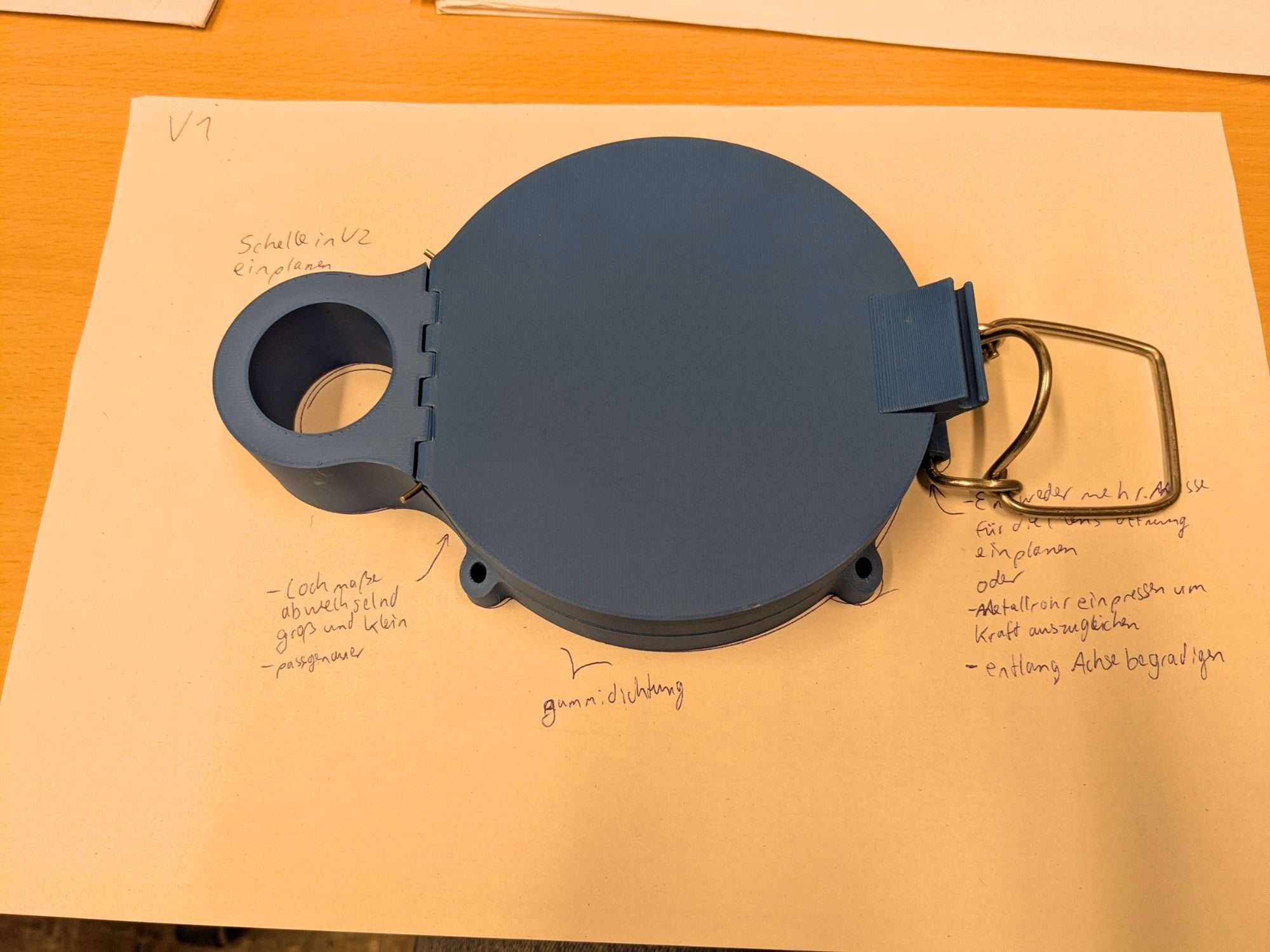
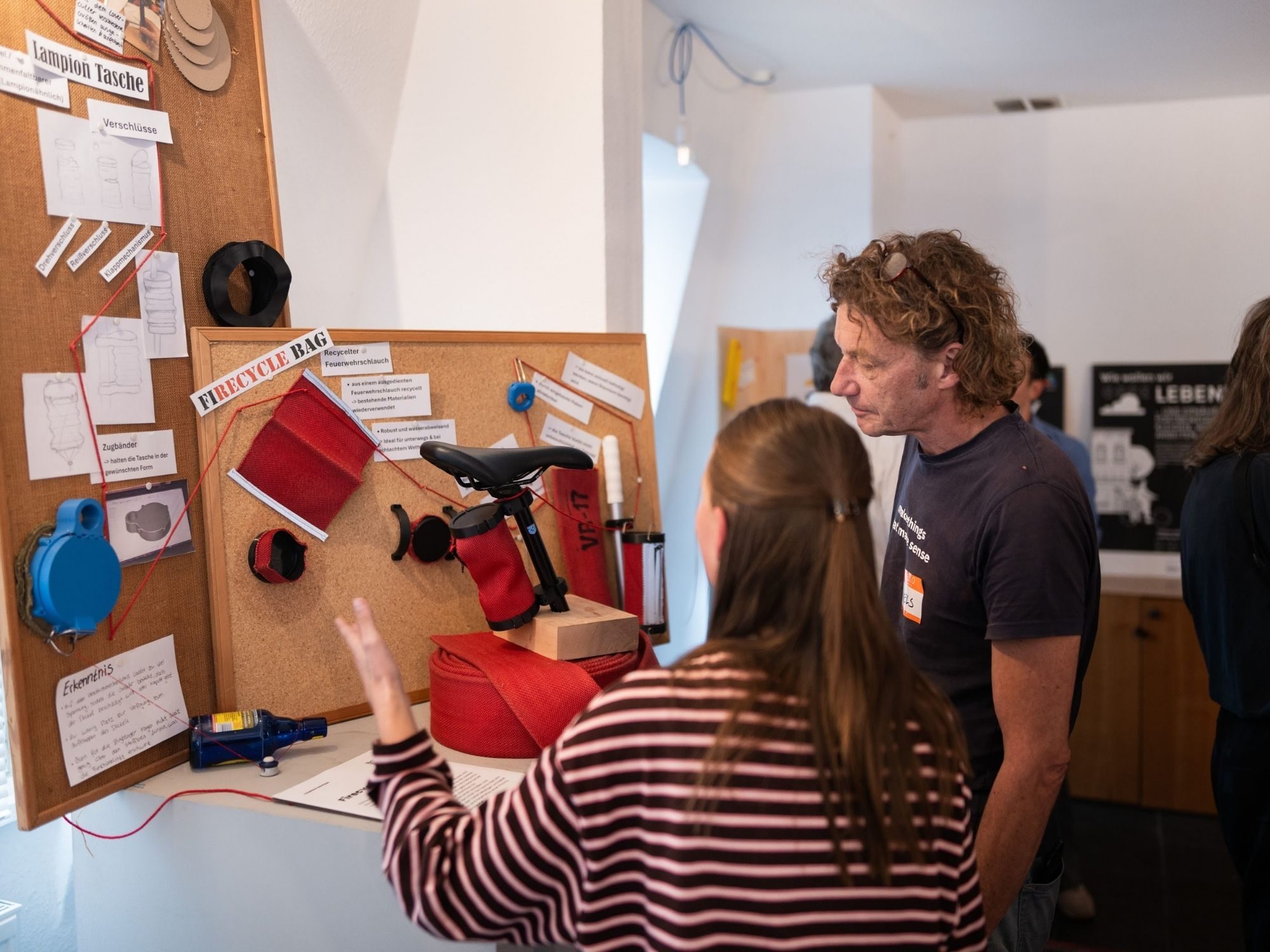
A sudden rain shower with no shelter in sight—that usually means grabbing a disposable poncho from a newsstand. This saddle bag makes that unnecessary. The Firecycle bag provides extra storage space right under the bike saddle.
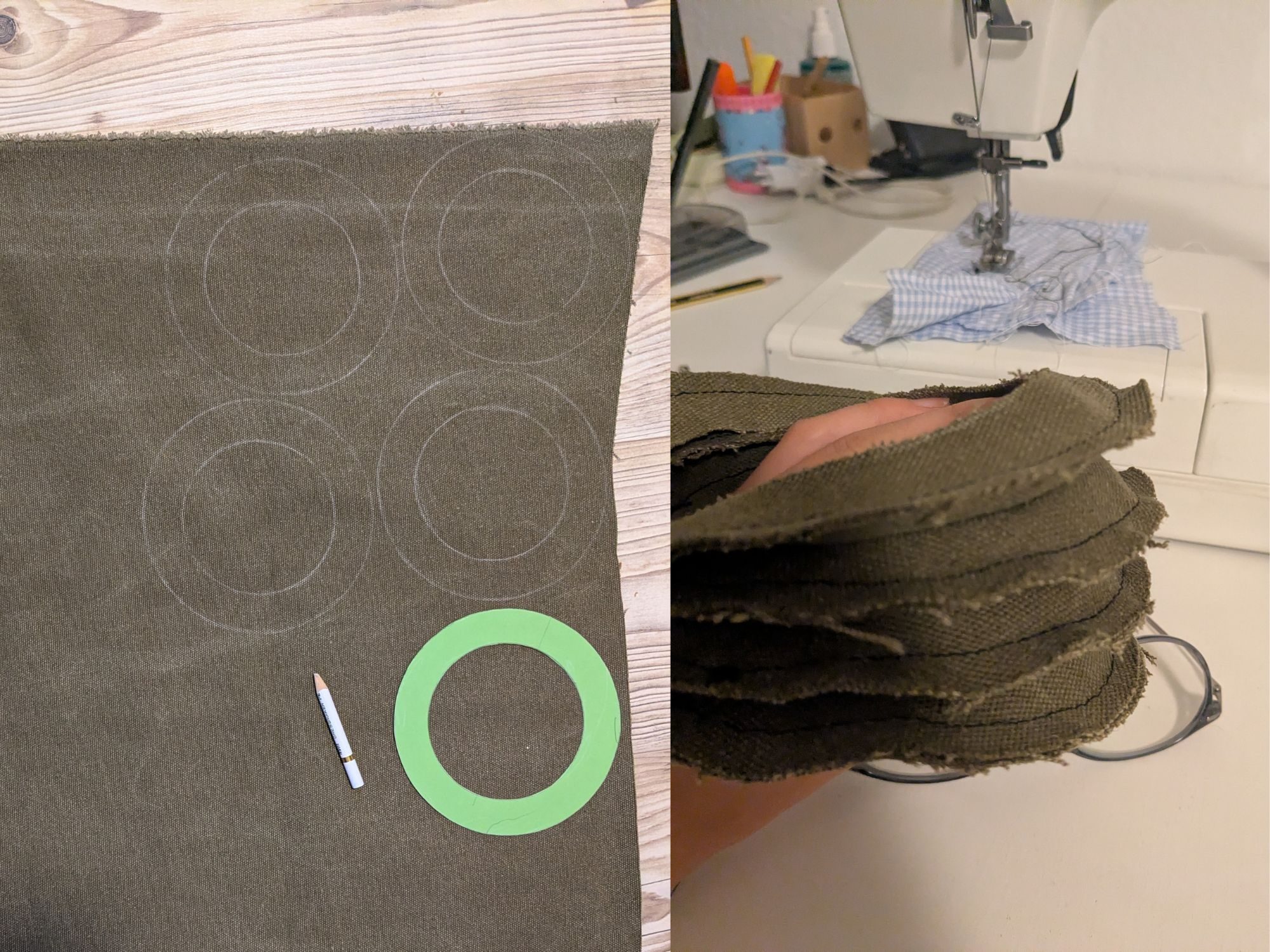
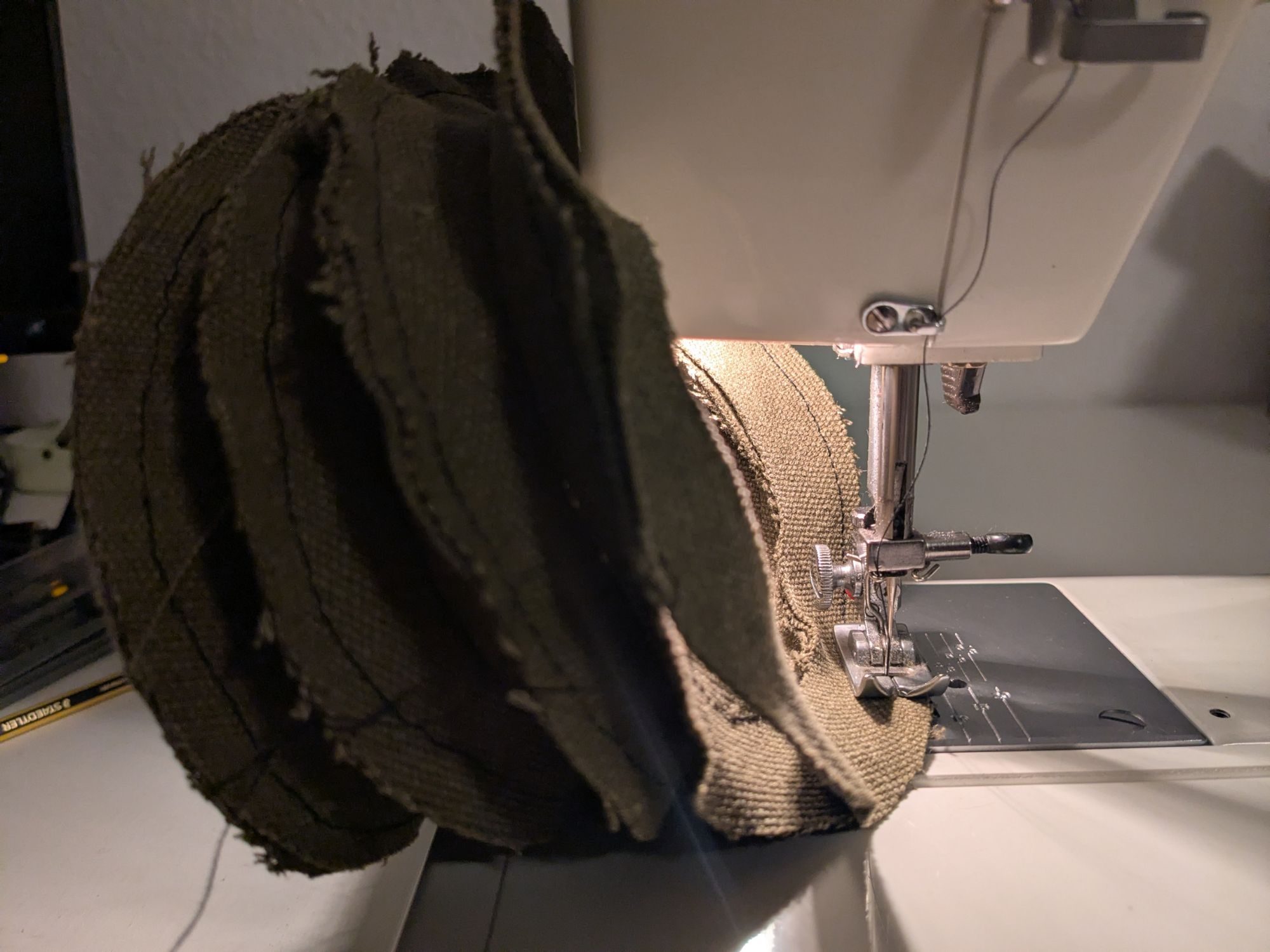
The bag is made by upcycling a discarded fire hose. The sturdy, water-repellent material is given a second life and transformed into a durable bike bag.
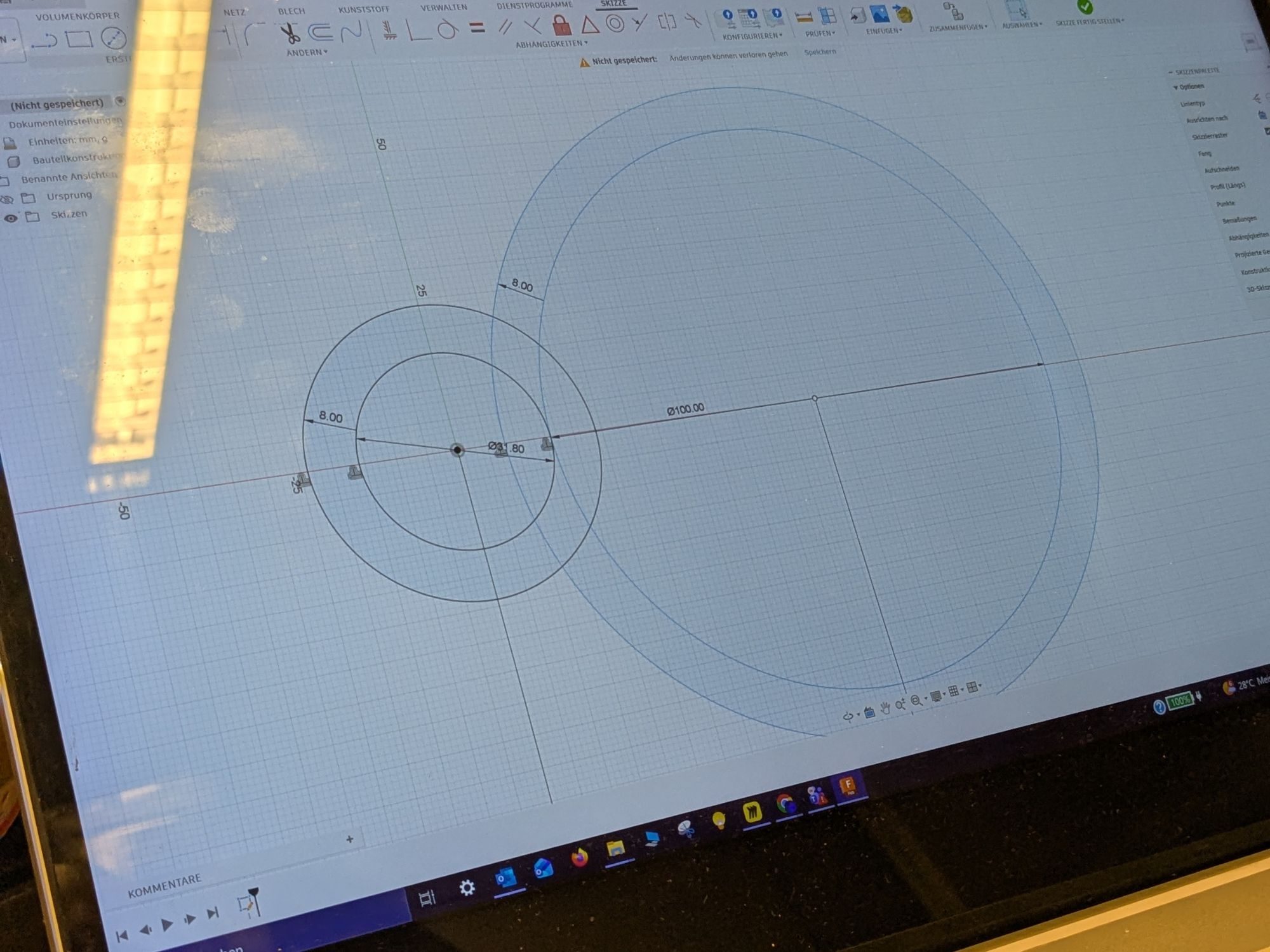
Two 3D-printed lids at the top and bottom ensure a tight, clean seal. A zipper allows for quick and easy access to the contents. The bag can be attached under the saddle to save space and offers enough room for a rain jacket, a poncho, or other small items.


Big Bag Traverse
Ralf Staudenmaier
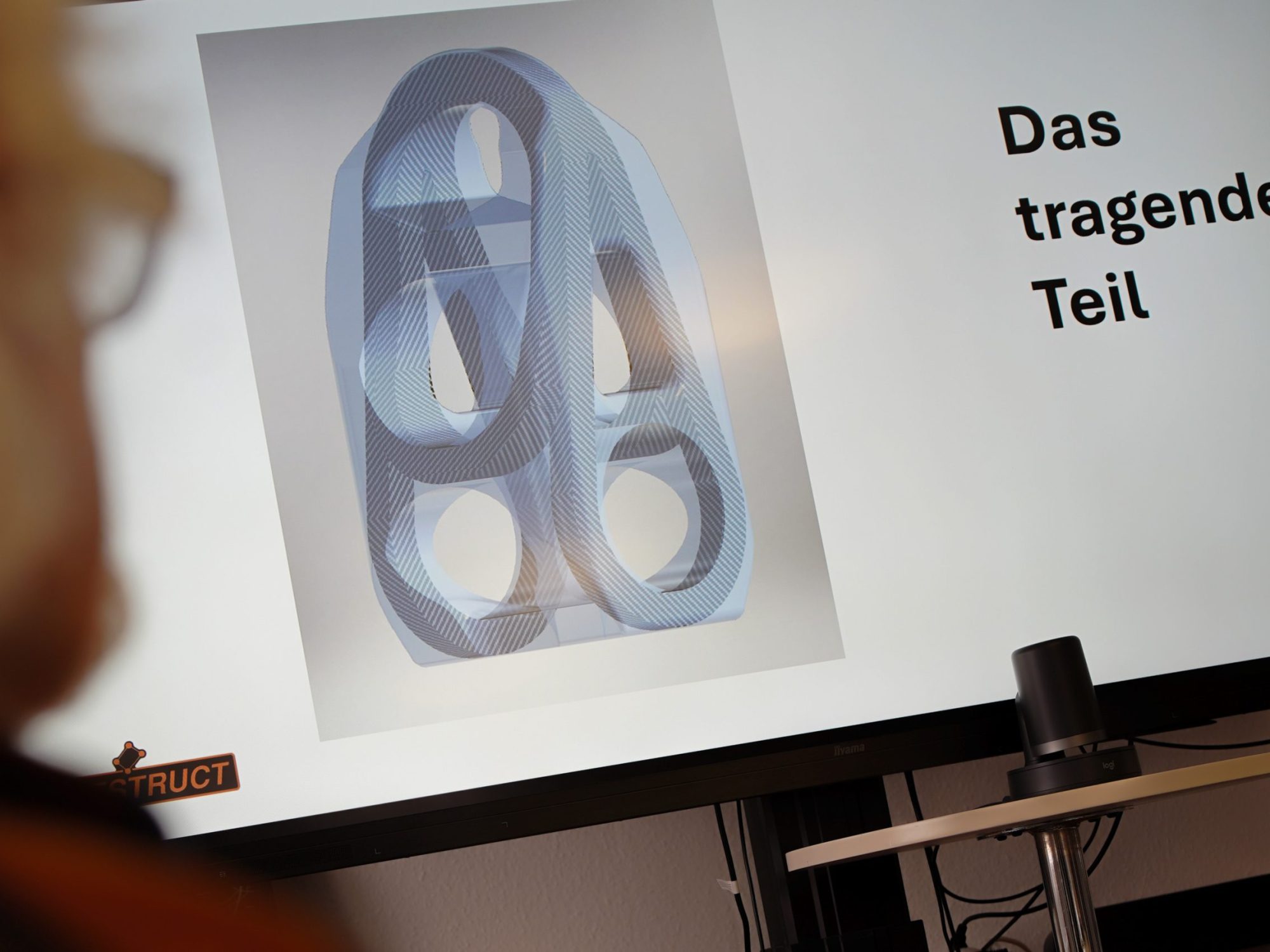
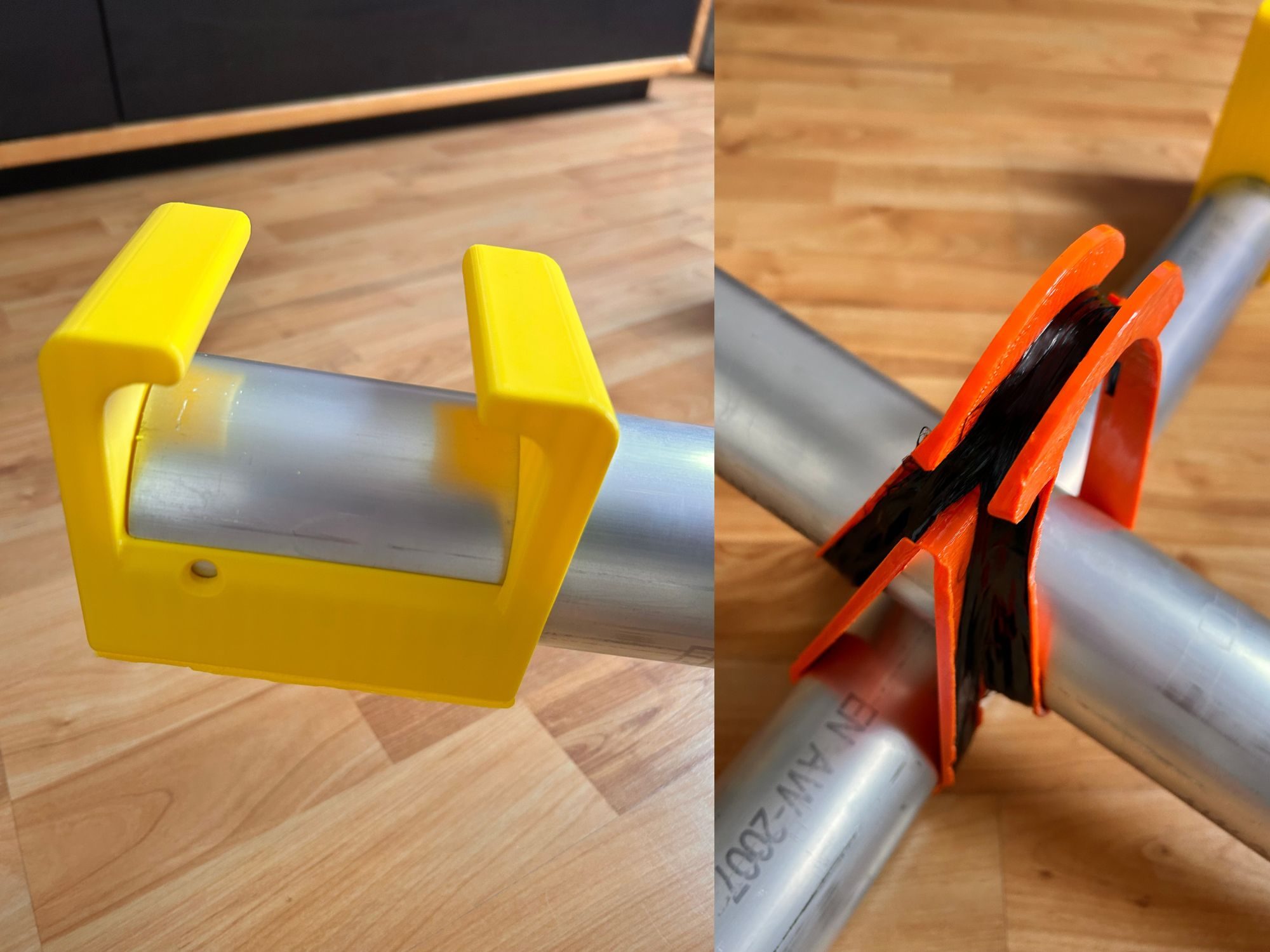
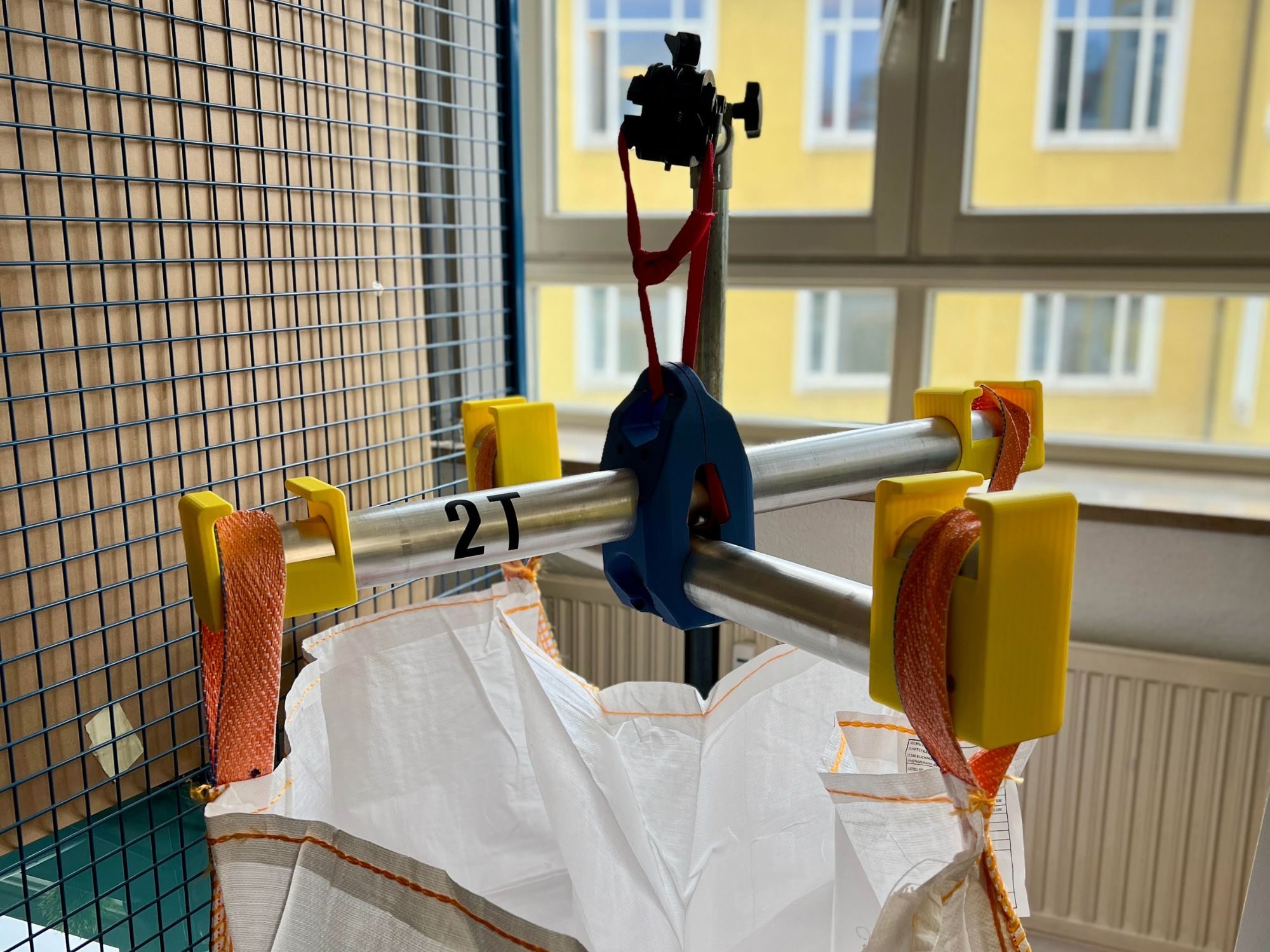
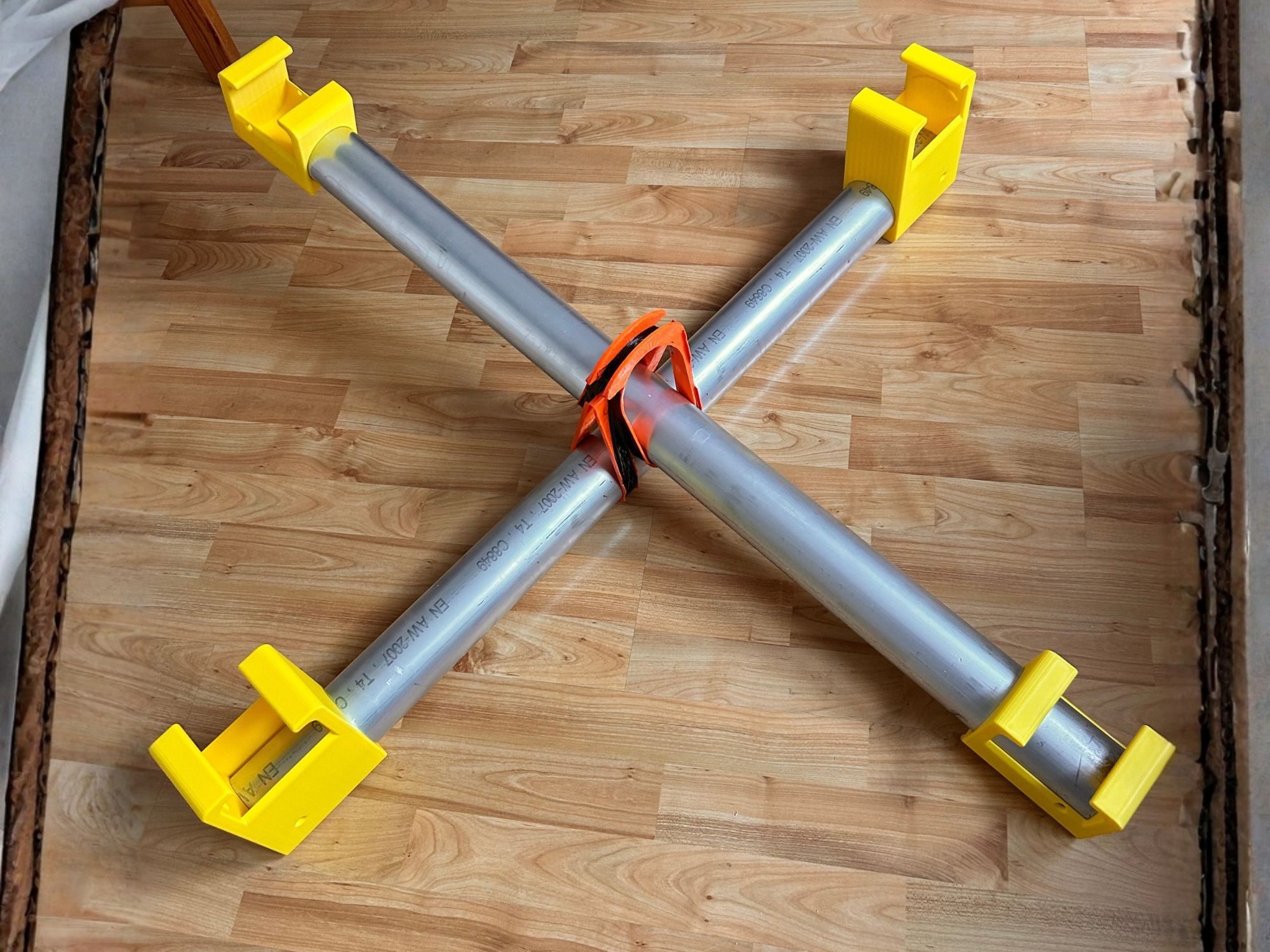
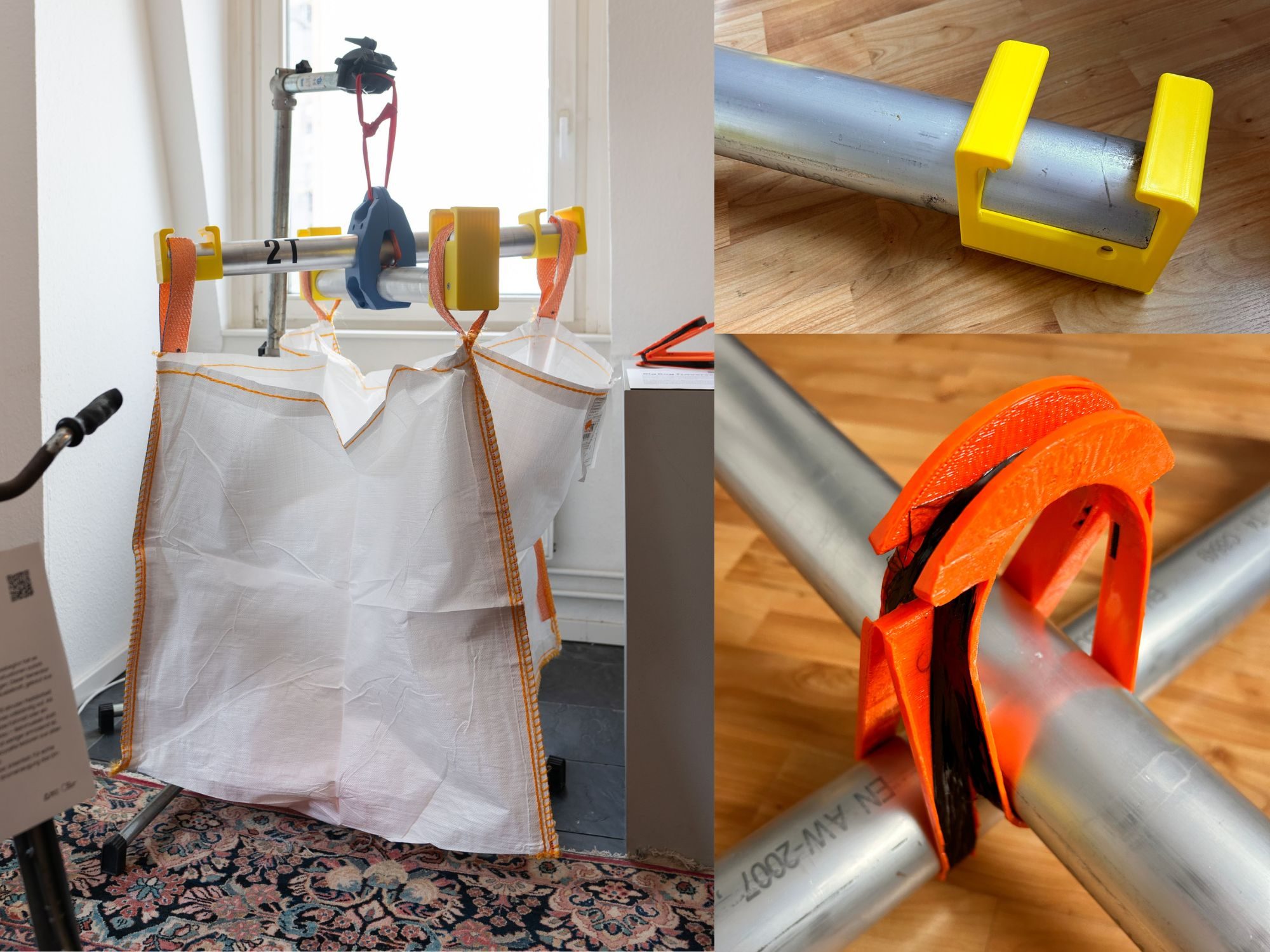
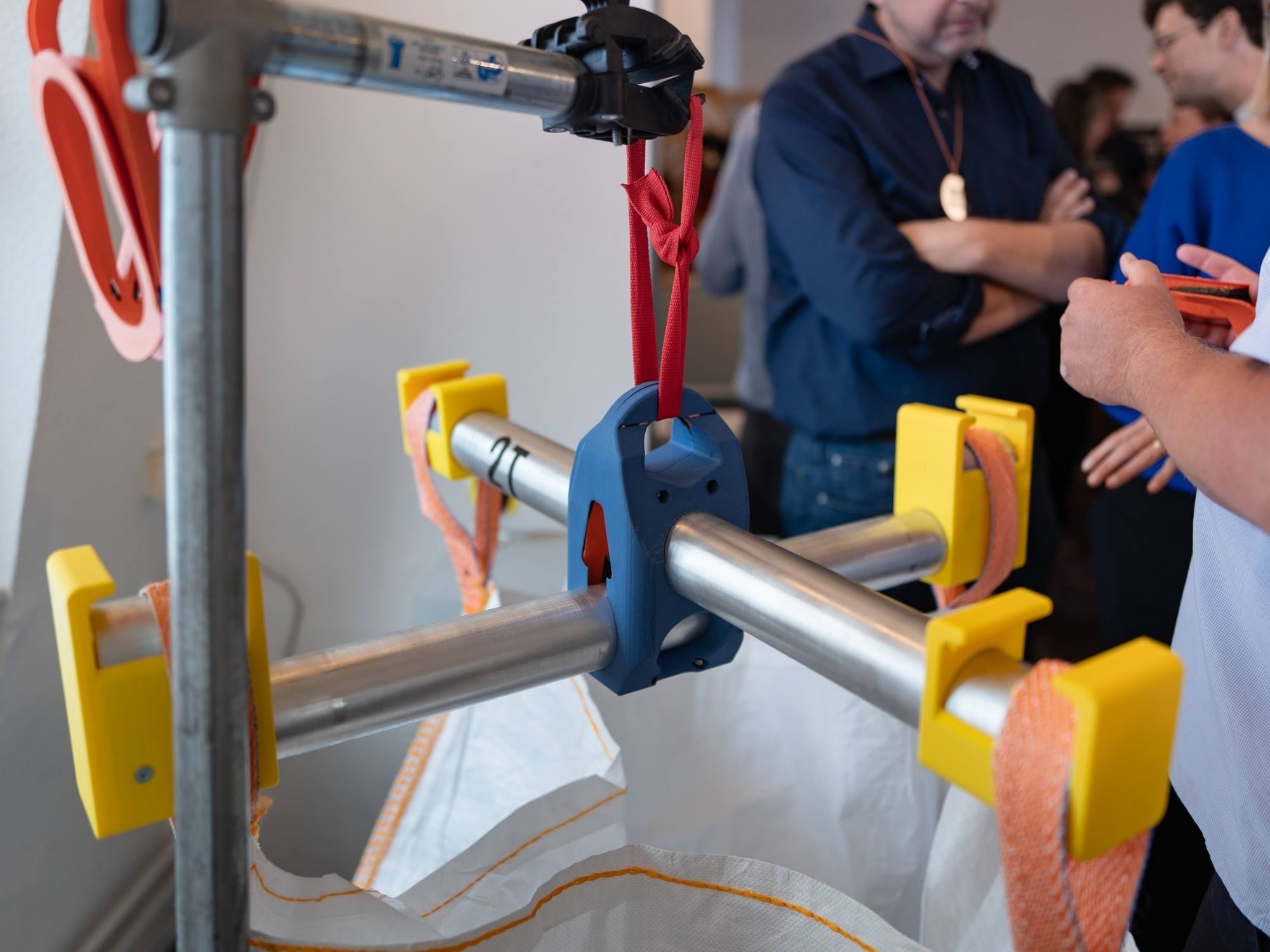
Lifting devices for industrial use are heavy, expensive, and manufactured on a large scale. This crossbeam challenges both of these assumptions: High-strength aluminum tubes combined with carbon-fiber-reinforced, additively manufactured connecting elements reduce the weight by about 70% compared to standard systems on the market—while maintaining the same strength.
The connecting elements can be printed locally, right in your own workshop. With open design data and manufacturing guidelines, a ready-to-use crossbeam can be produced in no time—without a supply chain or a central warehouse.
Additive manufacturing has not yet been established on an industrial scale for safety-critical load-bearing components. This project is breaking new technological ground.


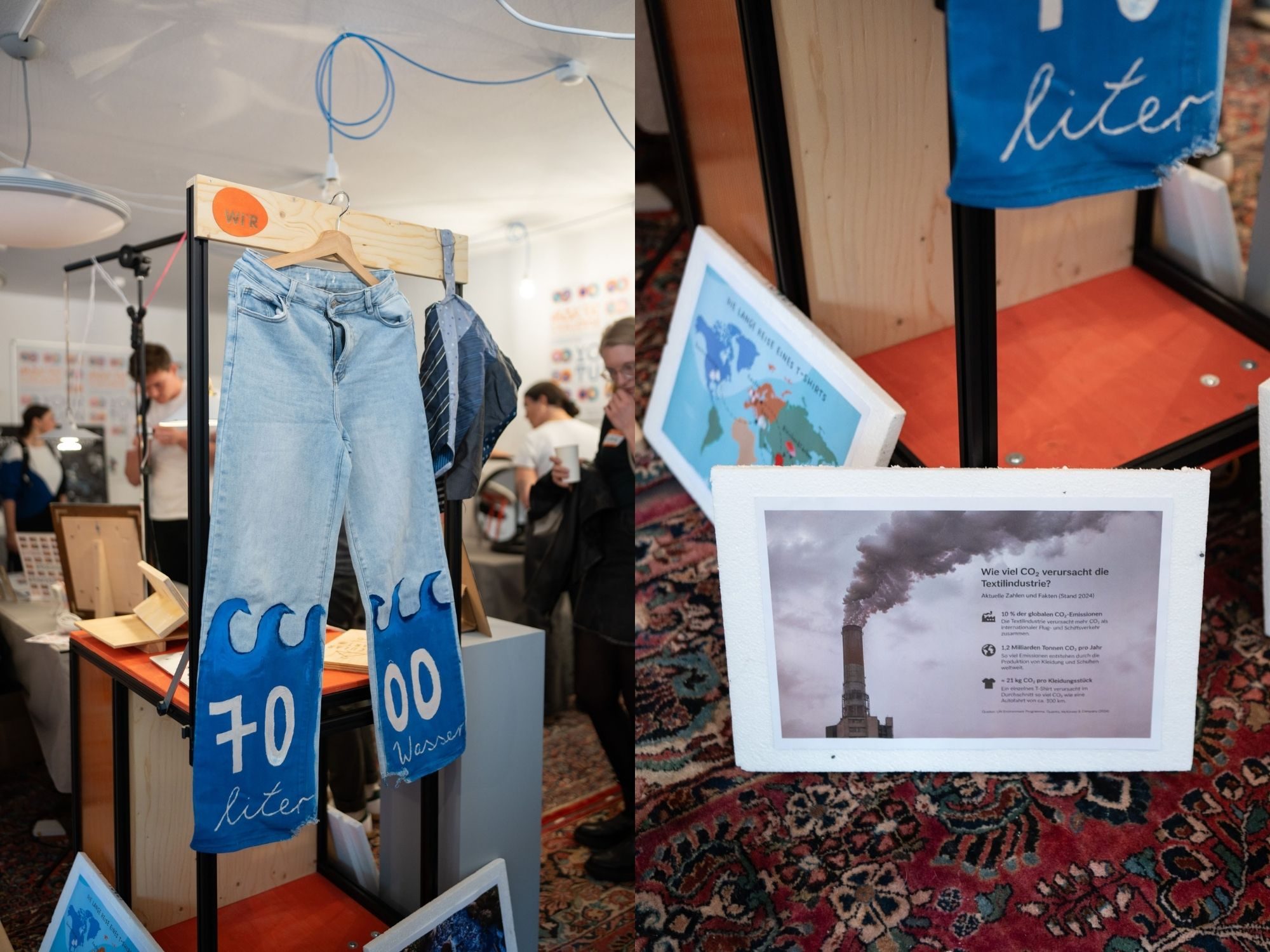
PreLoved WiR
Team PreLoved
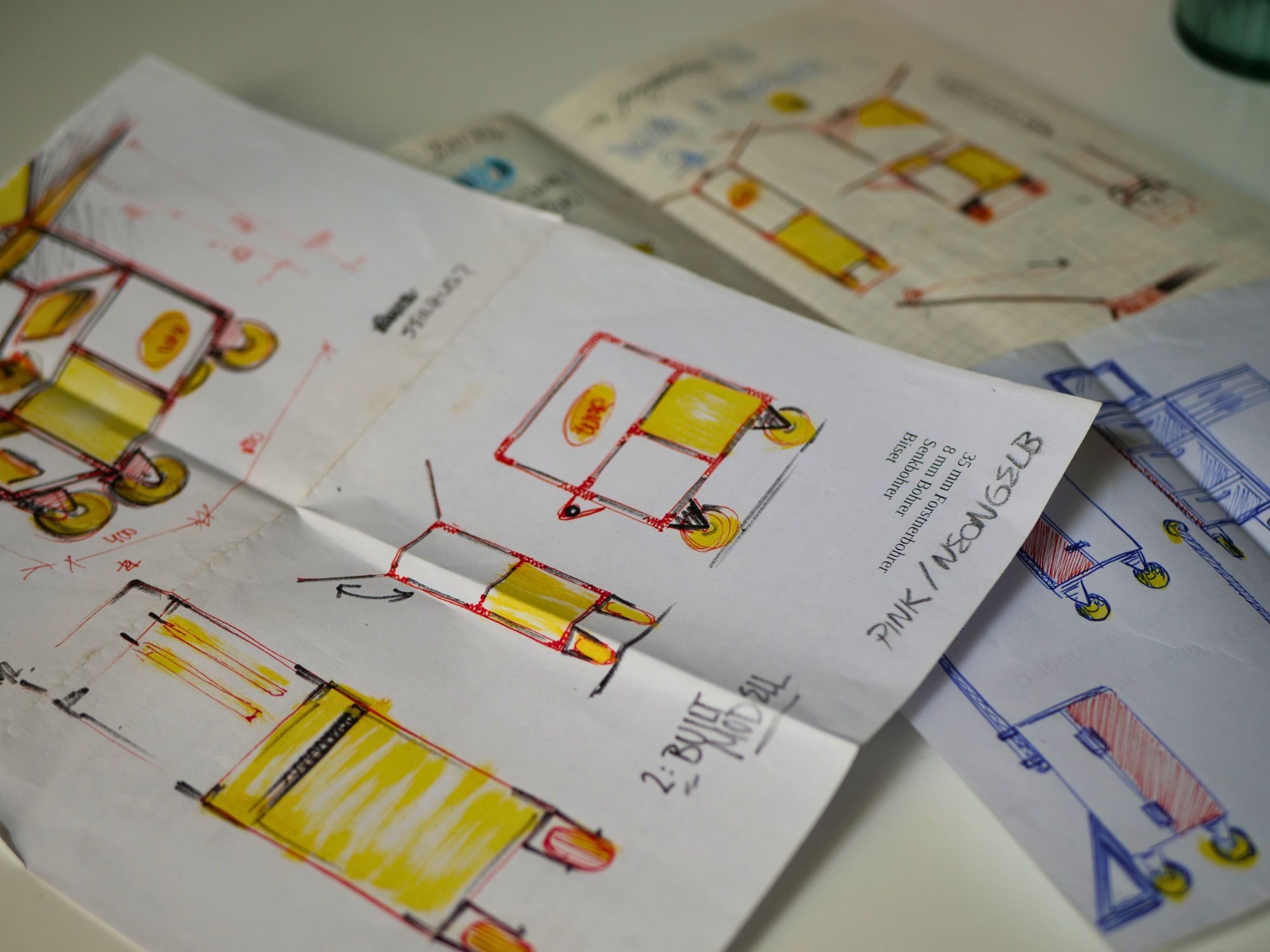
PreLoved is an educational initiative developed by students that focuses on fast fashion, the circular economy, and sustainable consumption. Together, the students explore the social and environmental impacts of the global textile industry and ask a key question: Who actually sews our clothes?
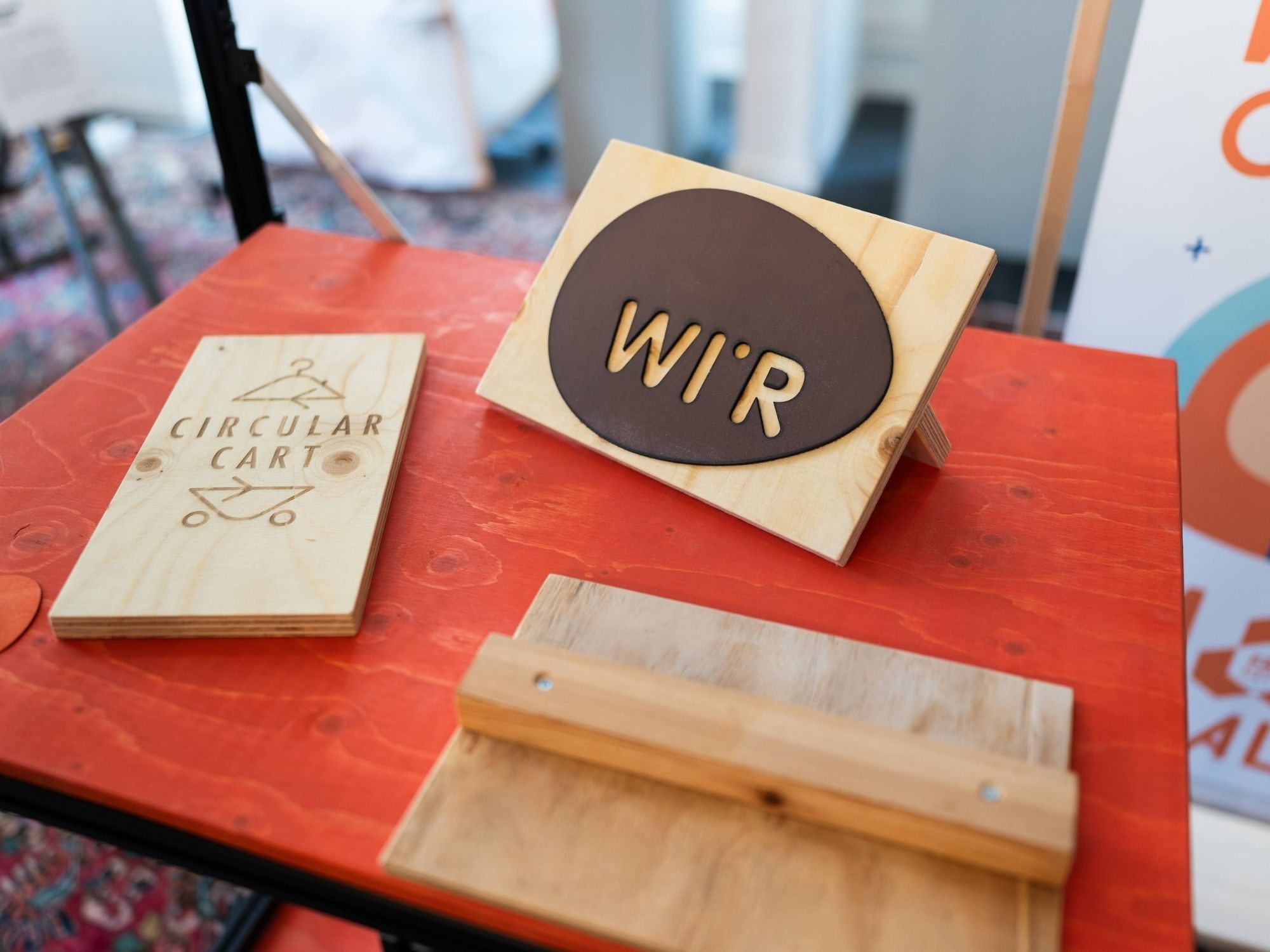
With their Circularity Cart, the students visit other schools and lead peer-to-peer workshops. They share knowledge as equals, encourage reflection on consumption, global supply chains, and resources, and work with other young people to develop creative solutions for a more sustainable future. PreLoved empowers students to become active agents of change by sharing knowledge, leading workshops, and taking on responsibility.


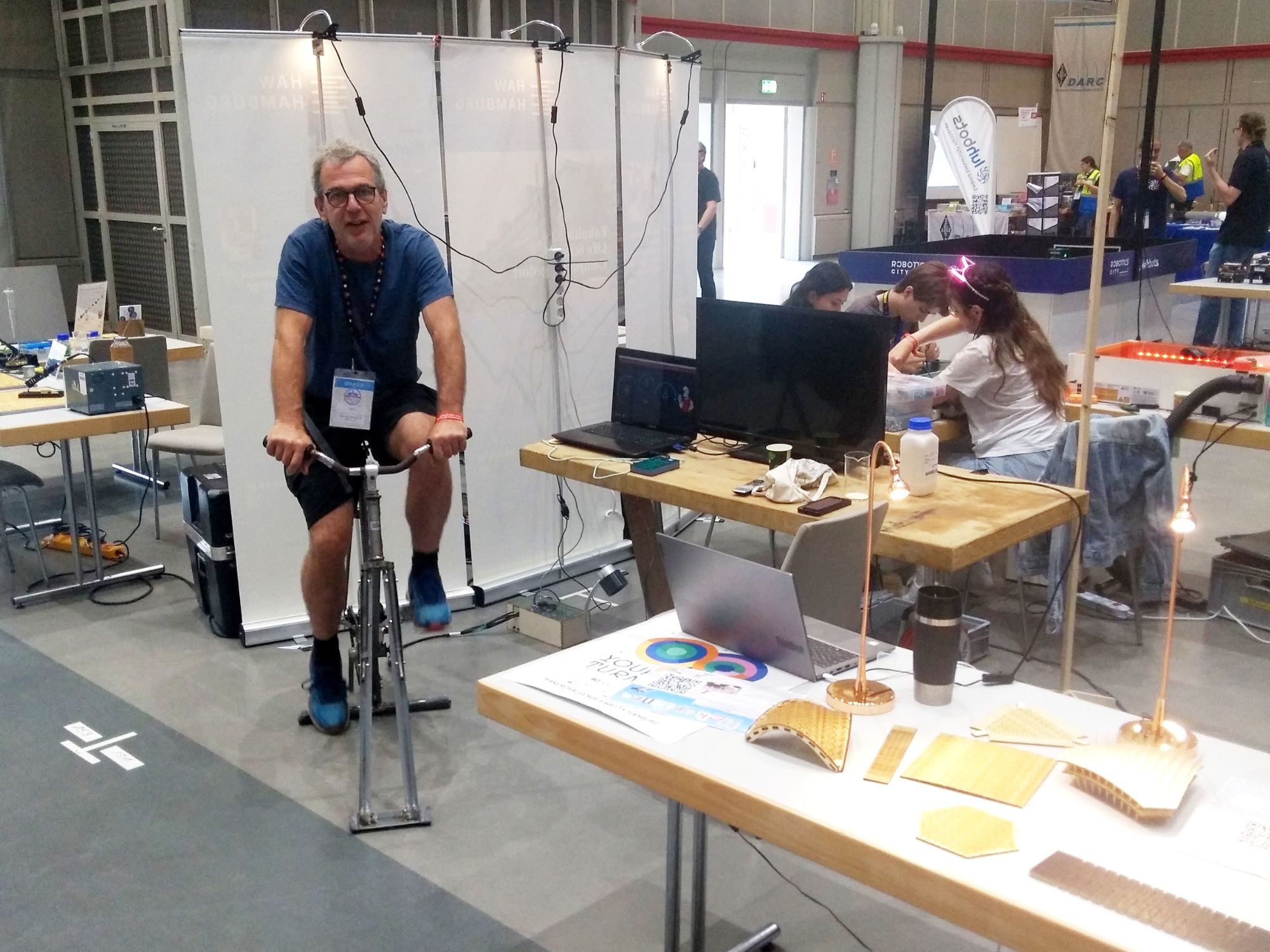
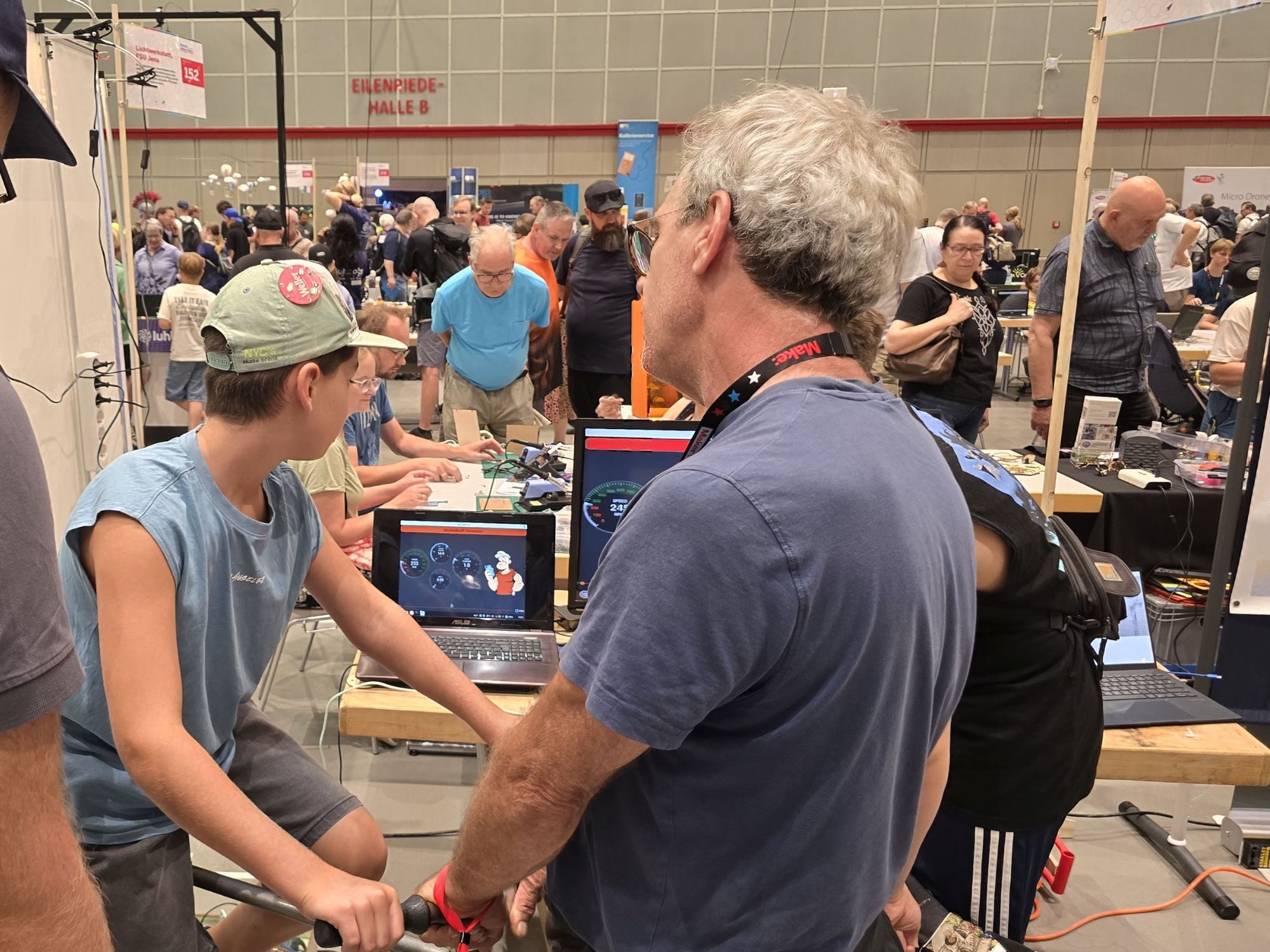
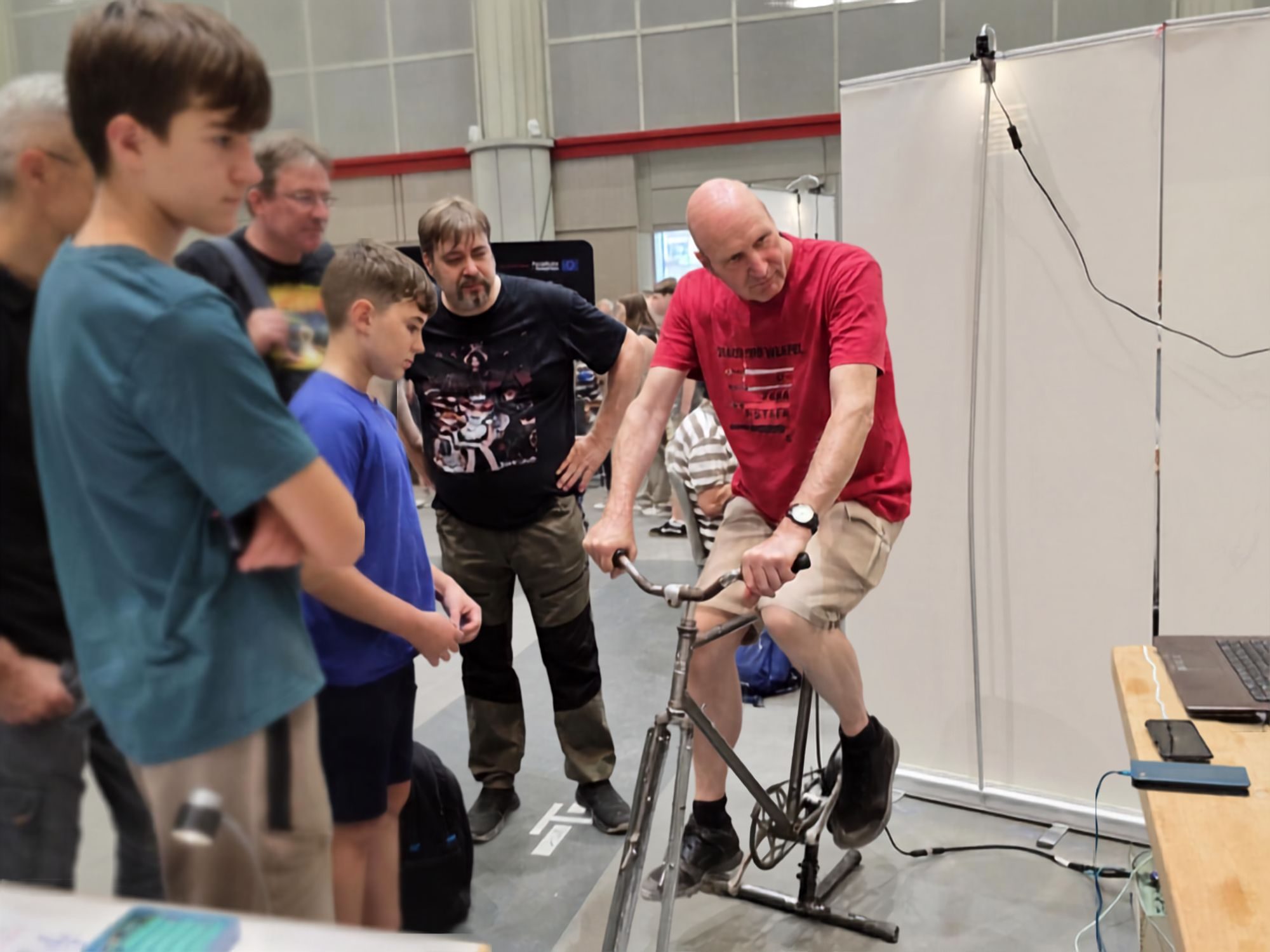
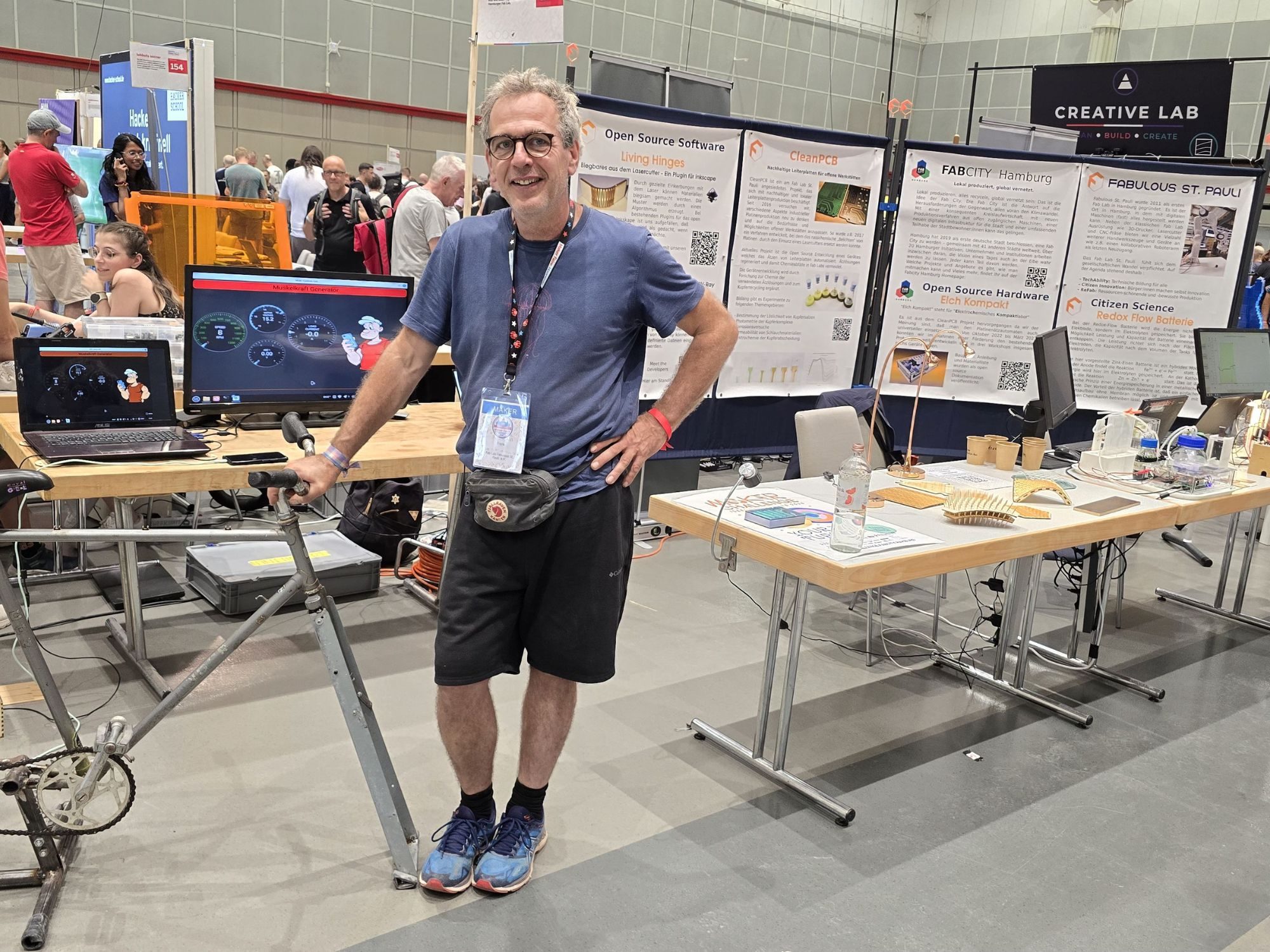
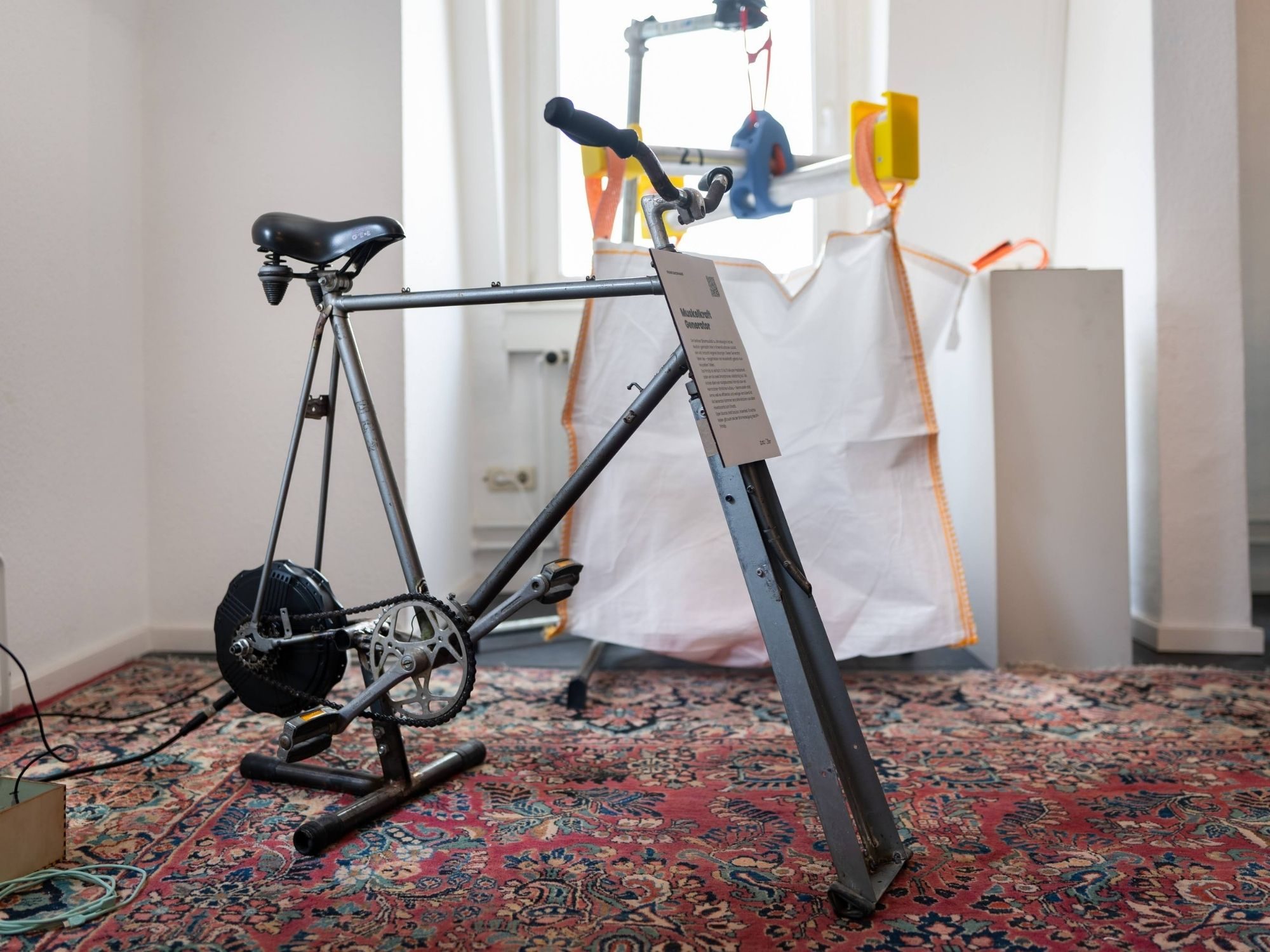
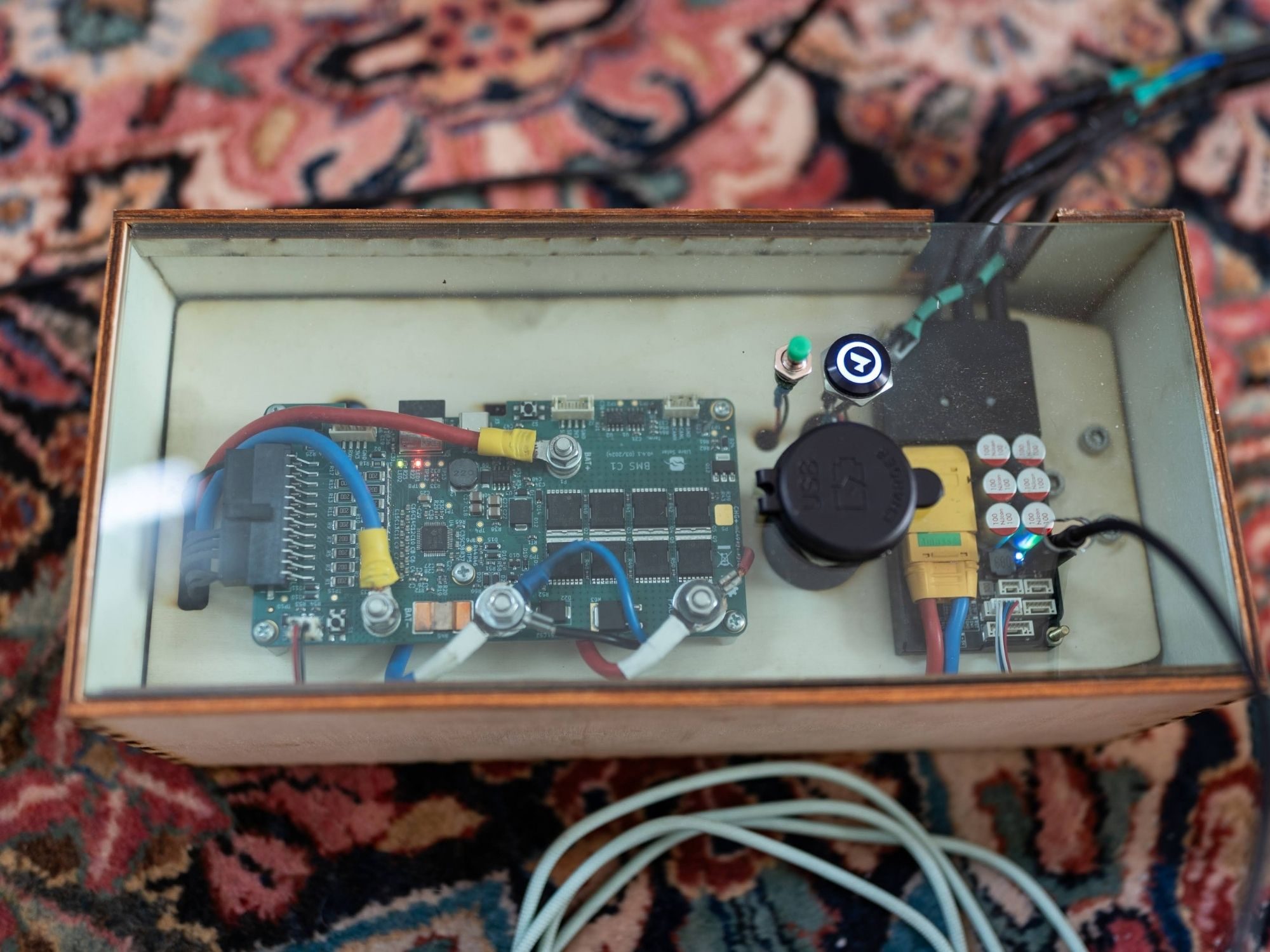
Muscle Power Generator
Frank Backhaus
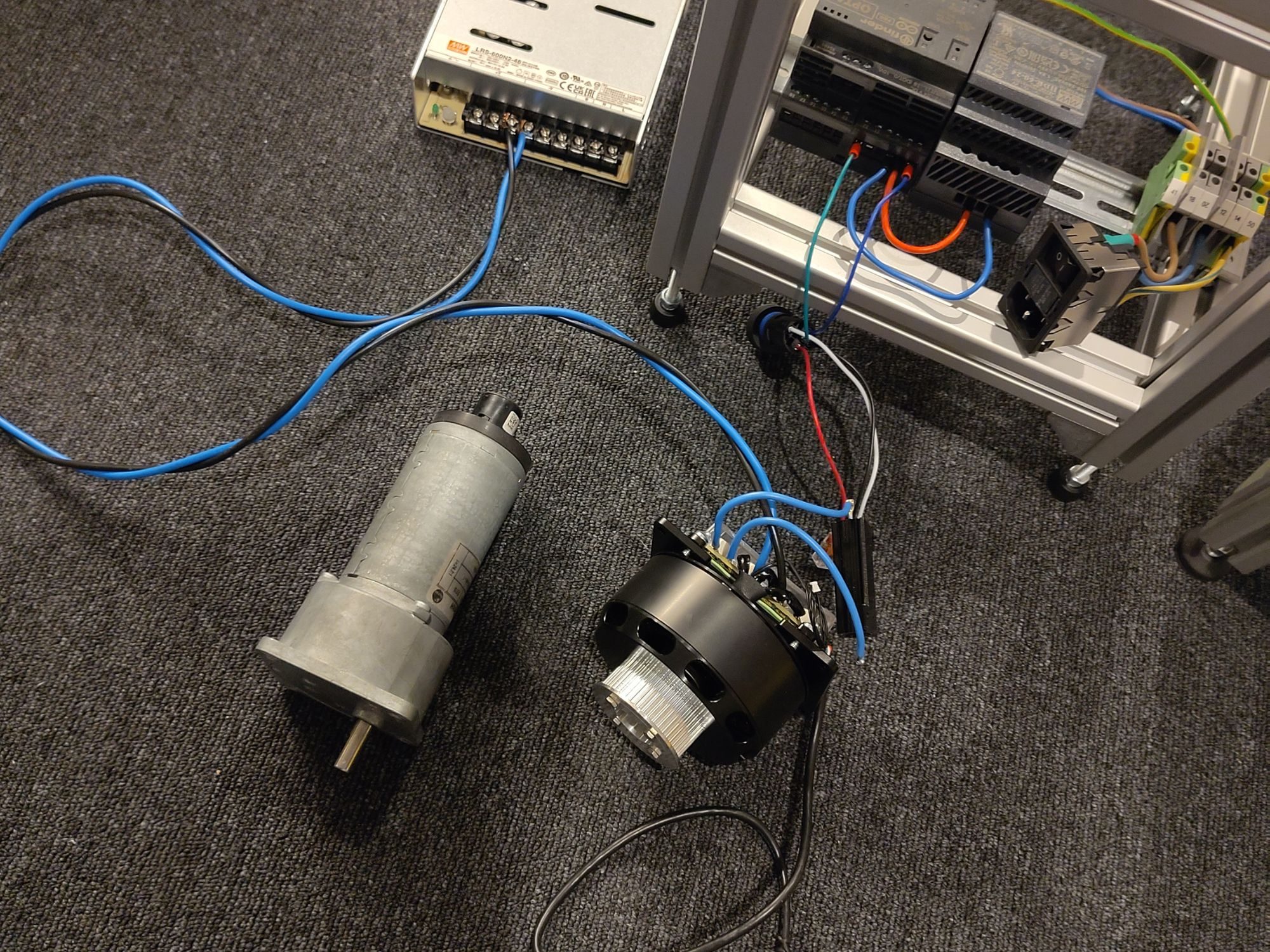
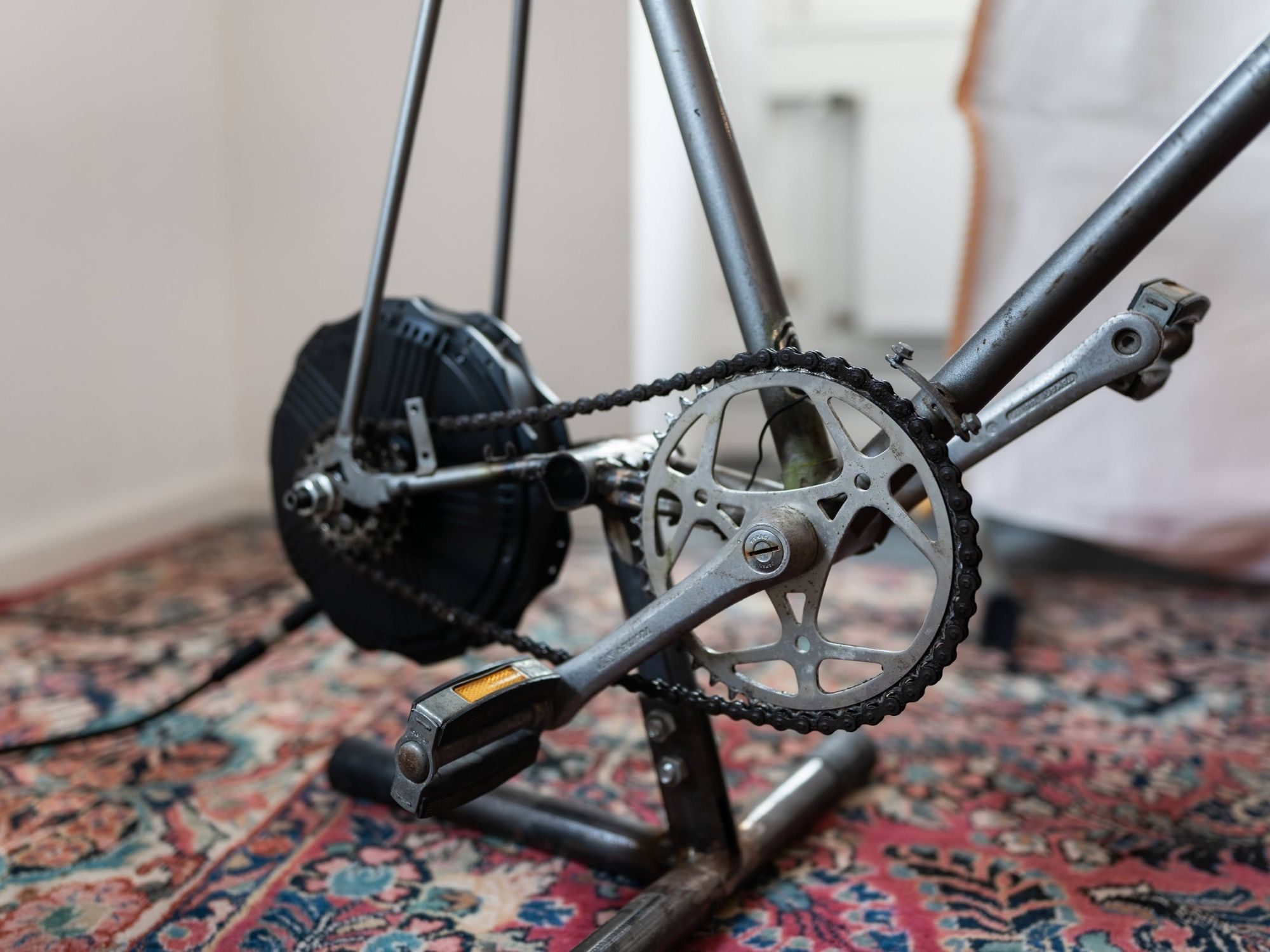
The power outage in Berlin at the beginning of the year made it clear: If you want to be self-sufficient in a crisis, you need your own solutions. This generator provides them—powered by muscle power and built from recycled parts.
The principle is simple: 10 to 15 minutes of pedaling fully charges one or two smartphones. The power source is a propped-up bicycle or a setup similar to an exercise bike—using leg muscles instead of arms, because it’s more efficient and less tiring. Recycled motors from old hoverboards are used as generators.
Open source, buildable locally, crisis-proof. For true makers, the DIY principle applies to power generation as well.


Balcony Wind Turbine
Lenn Krause & Jonathan NG
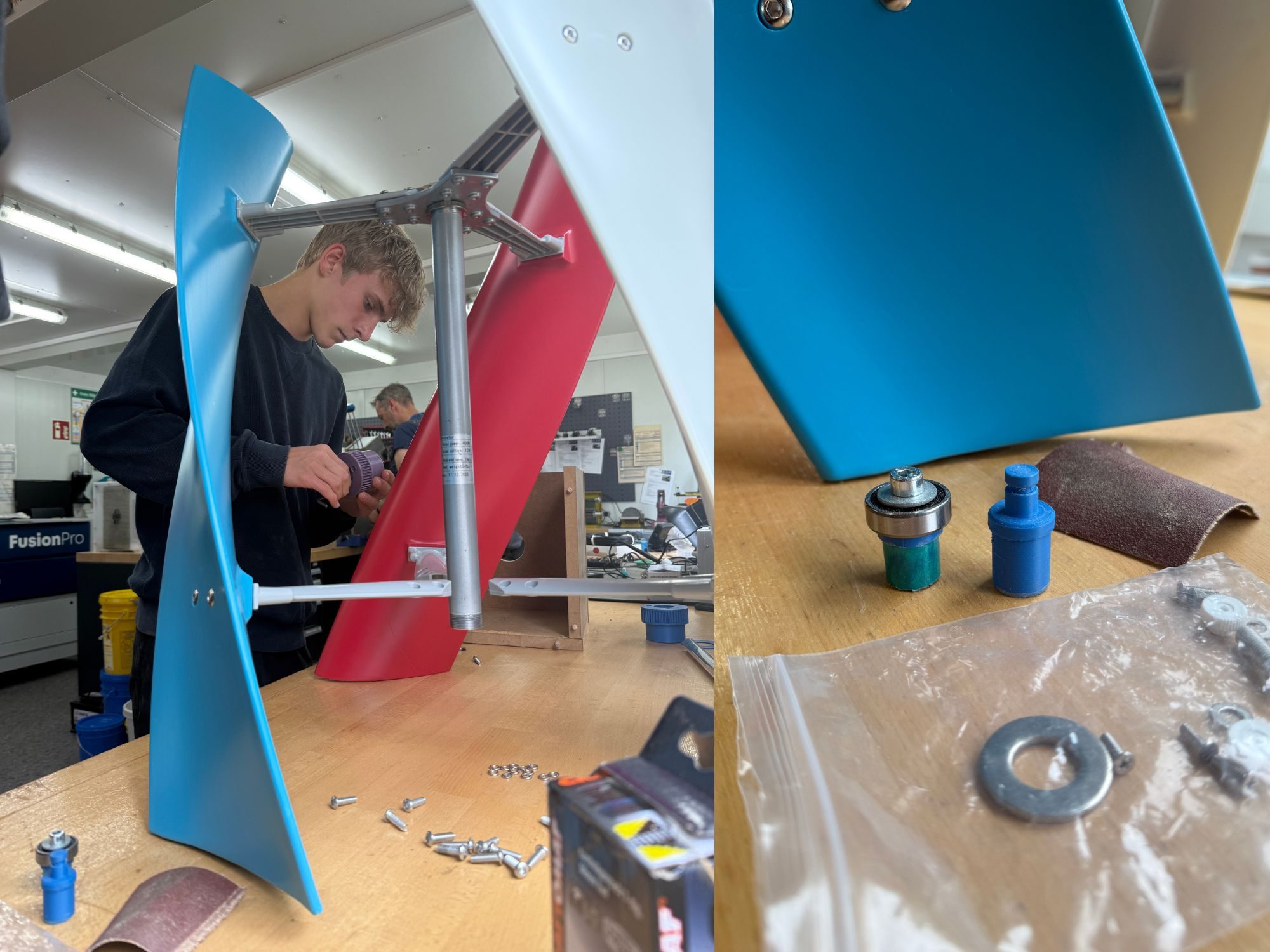
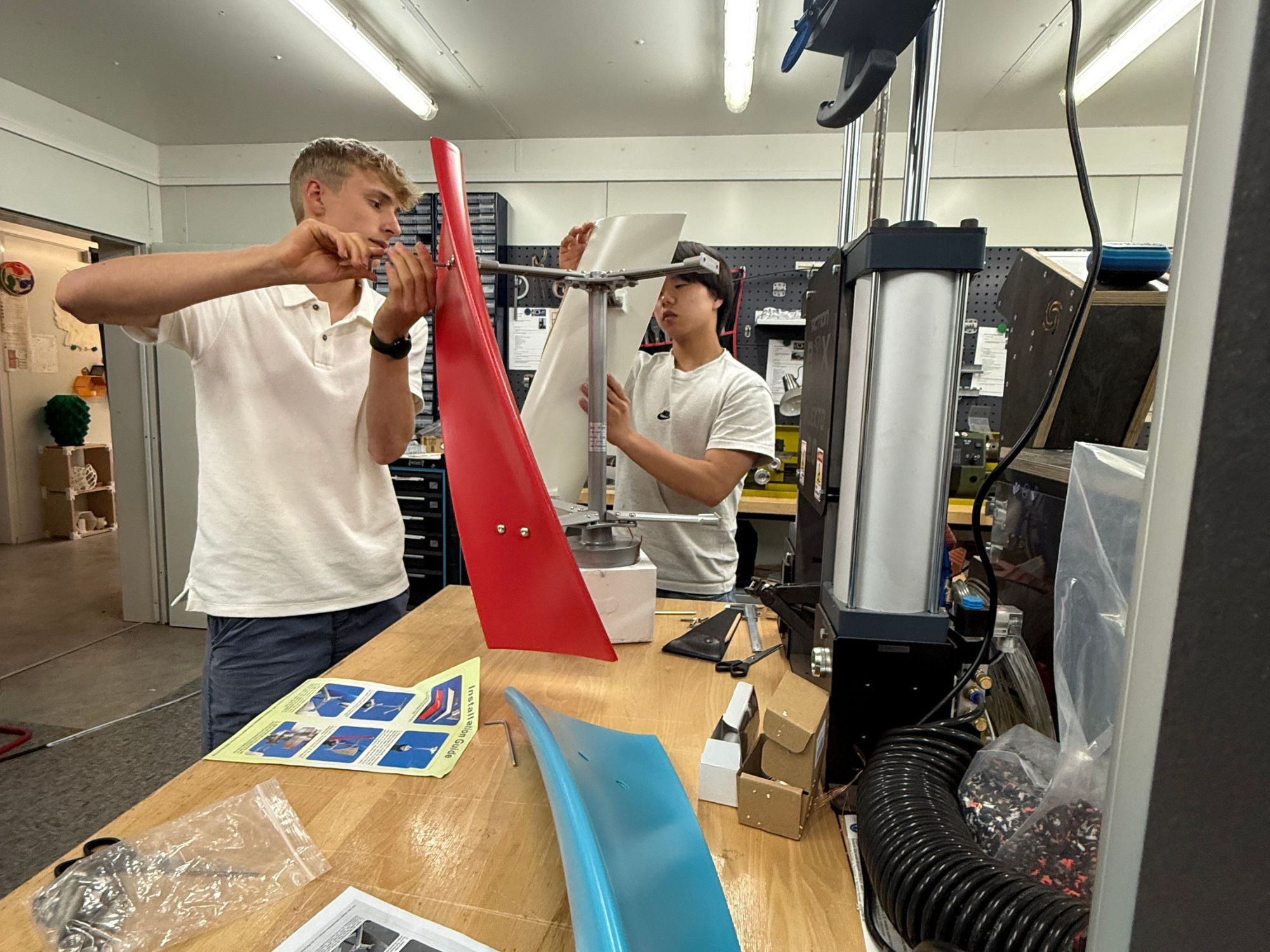
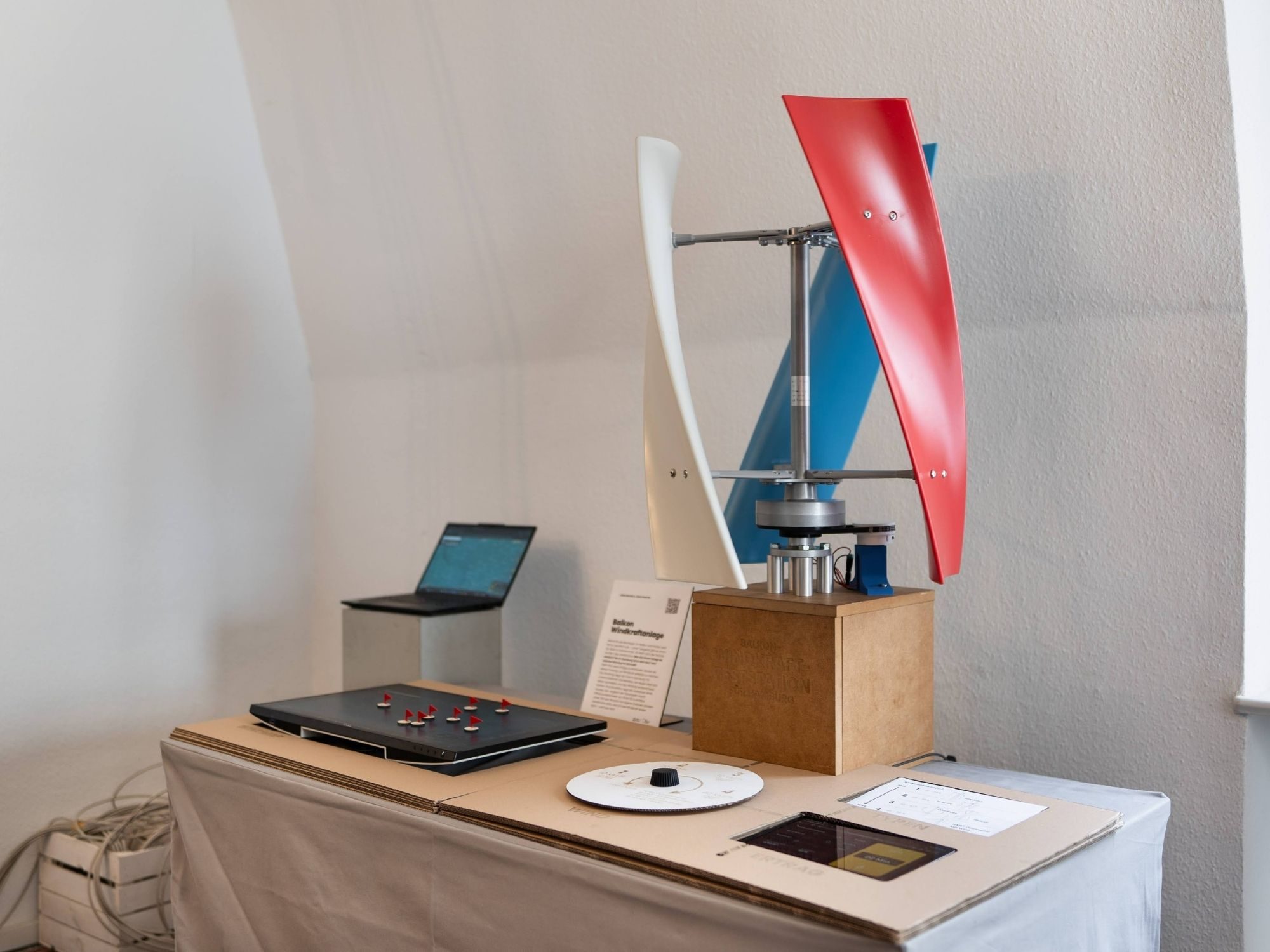
Small wind turbines for balconies and gardens aren’t just a pipe dream—our test unit is already available online starting at €180. Often, it’s not the technology that’s lacking, but the understanding: How much electricity does it actually generate? Where in Hamburg is it worth installing one? And which type of rotor makes the most sense?
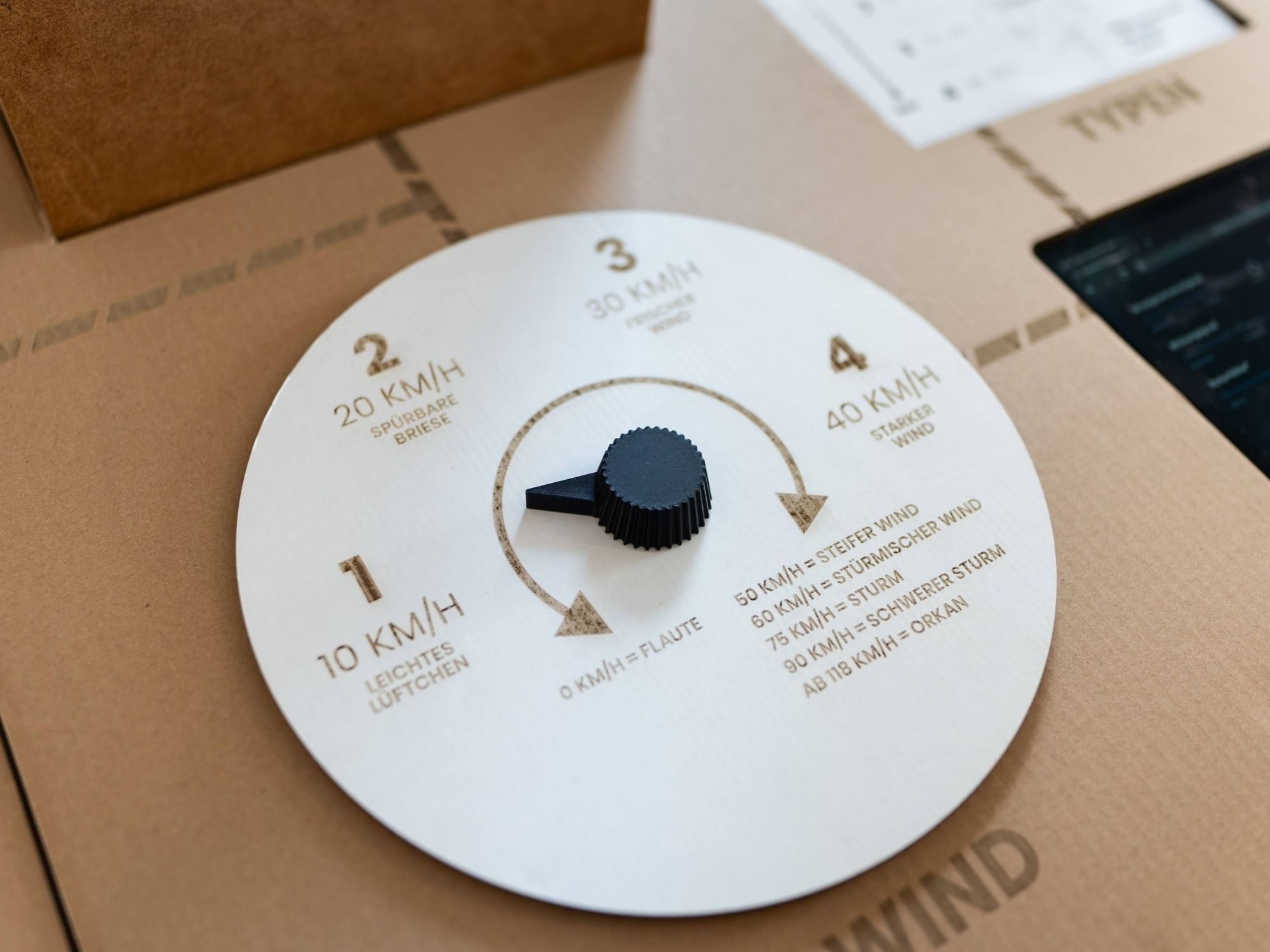
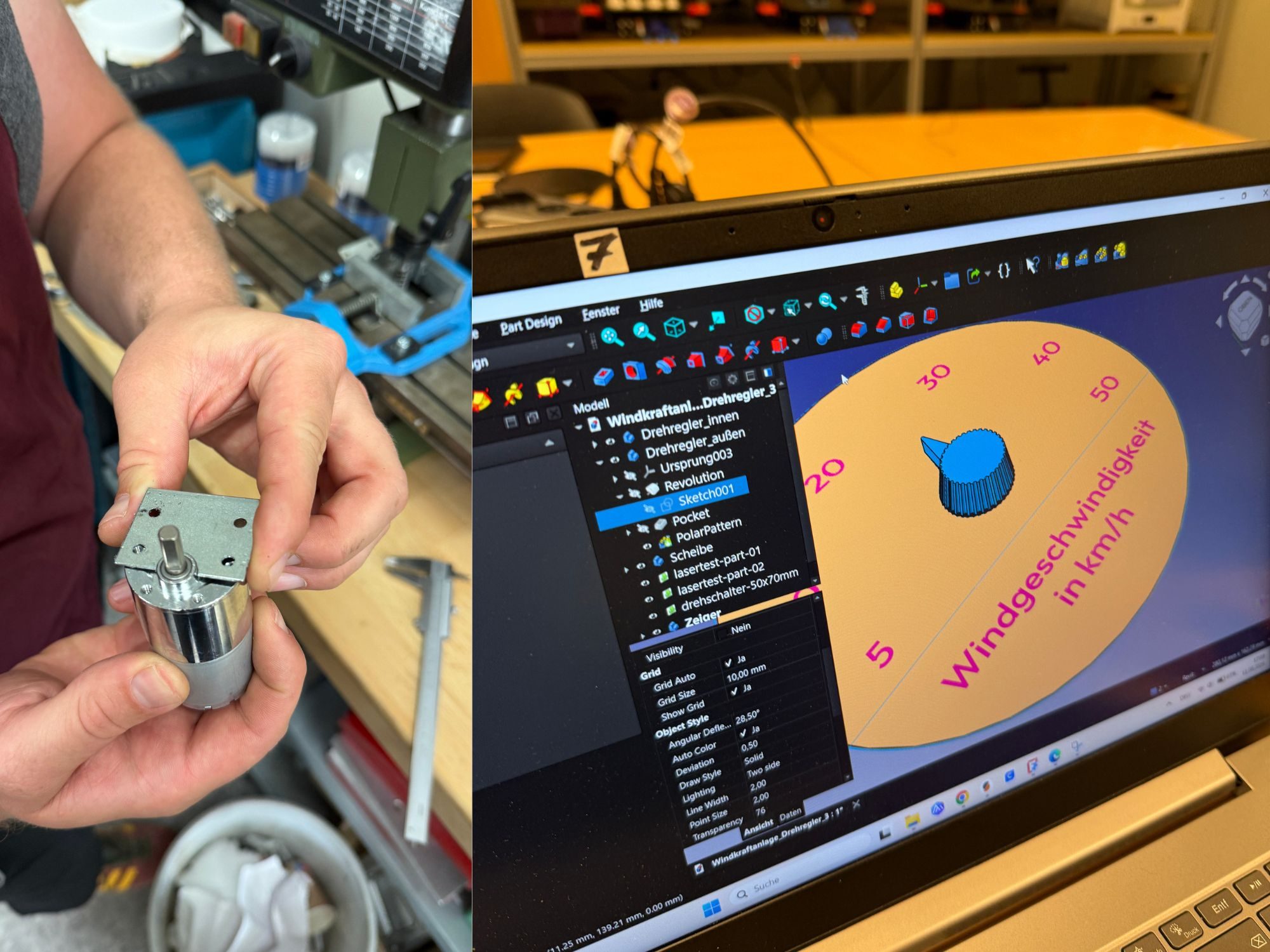
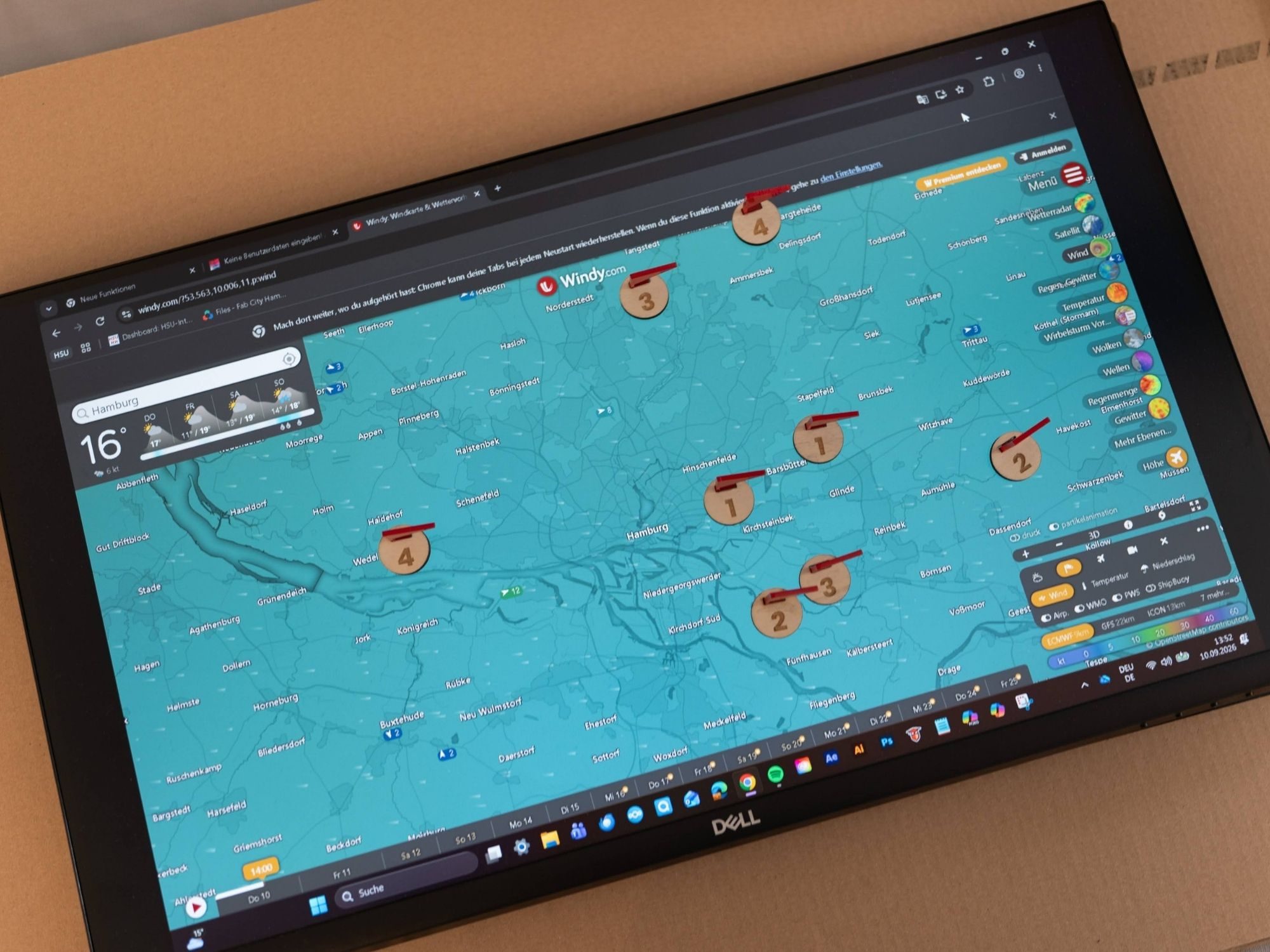
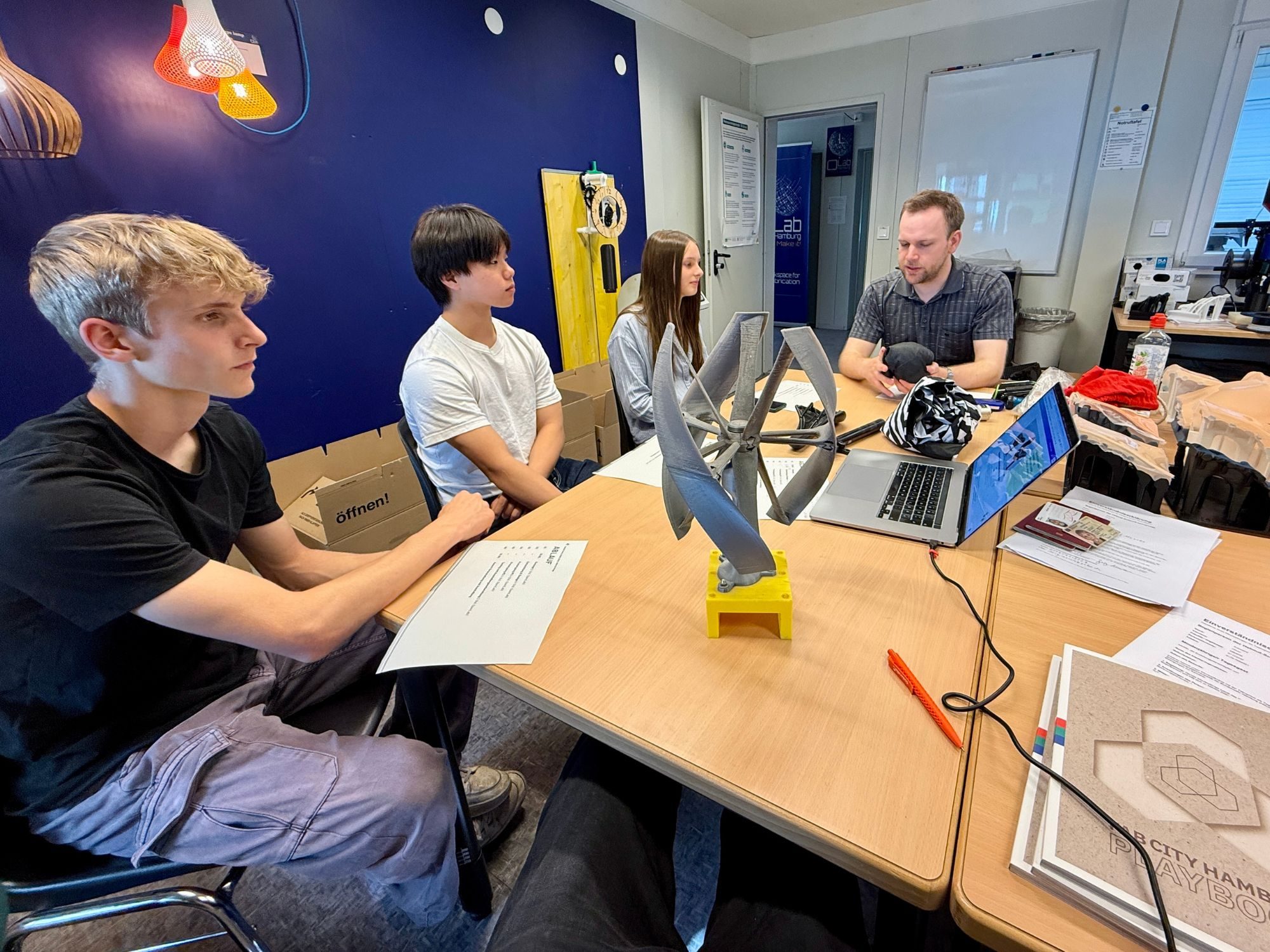
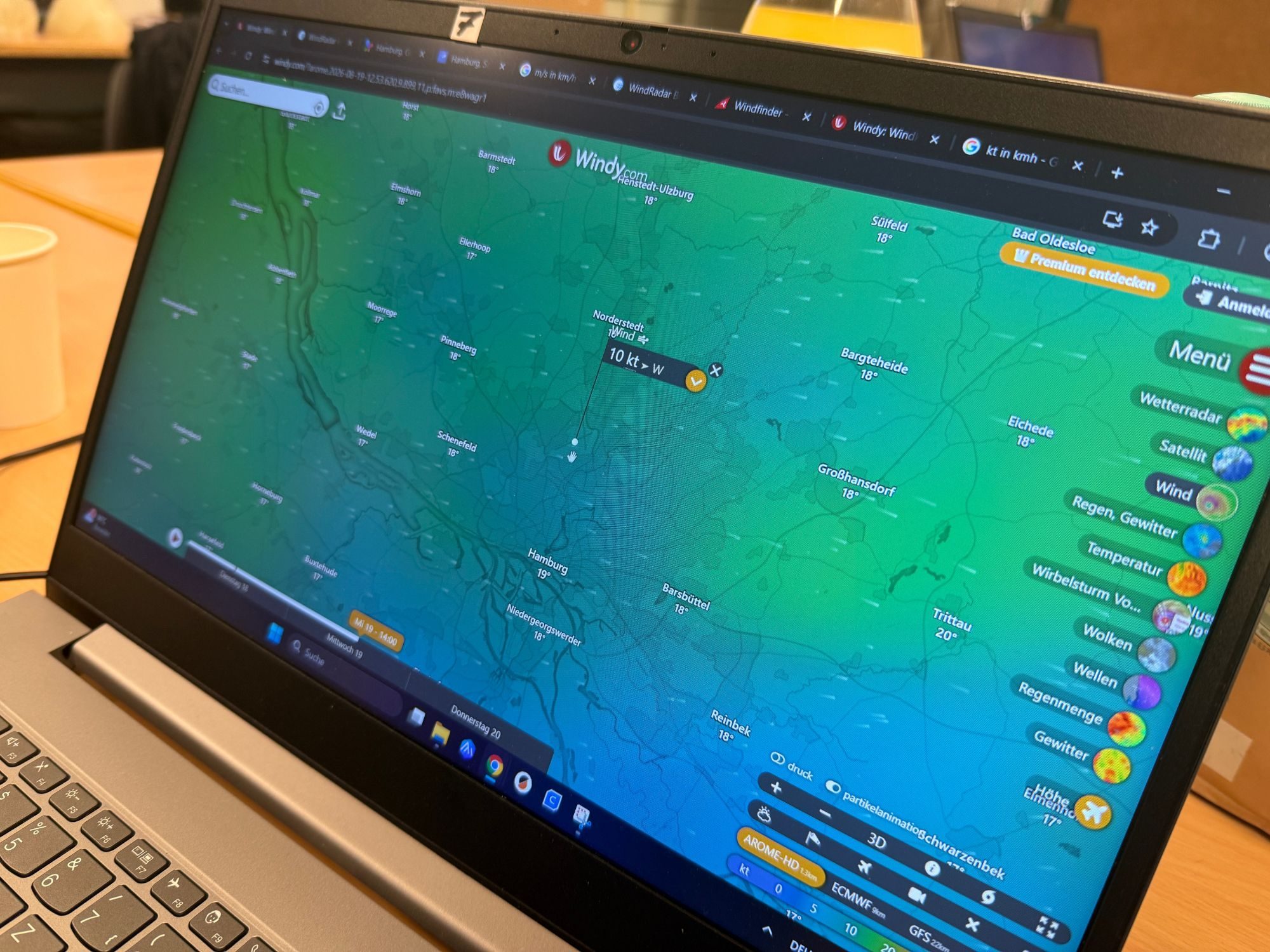
Instead of developing a new system, we built this prototype to bring wind power to life: The wind map shows four locations in Hamburg with different wind speeds; the control knob allows you to adjust these speeds and rotate the wind turbine accordingly. A simulation shows how long it takes to charge a cell phone, and a comparison of rotor types highlights efficiency differences ranging from 15 to 50 percent.
Our goal: not a DIY kit for your home, but an understanding of what residential wind power can—and cannot—achieve.


The Light of Tomorrow
Amadeus Rokita
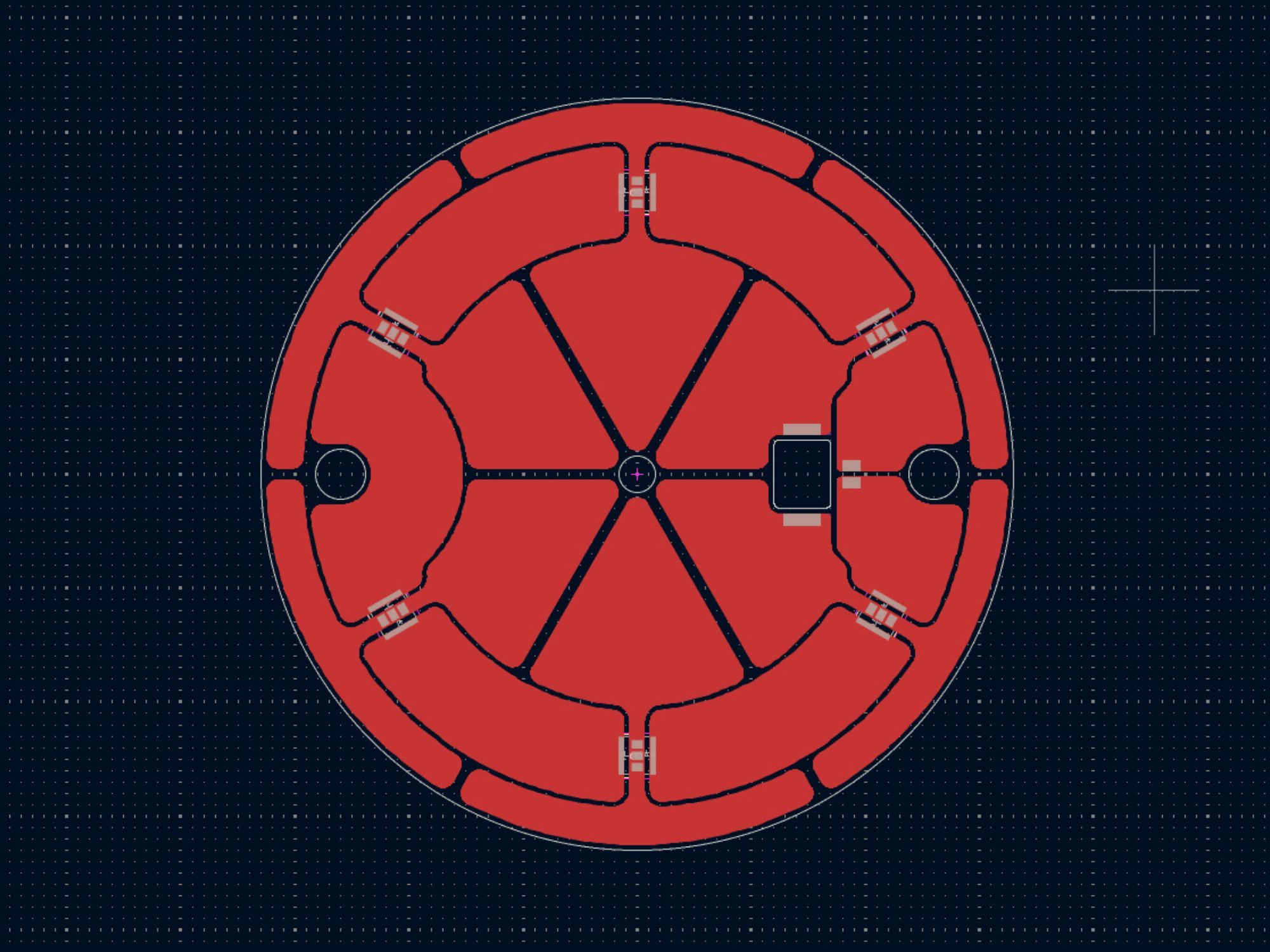
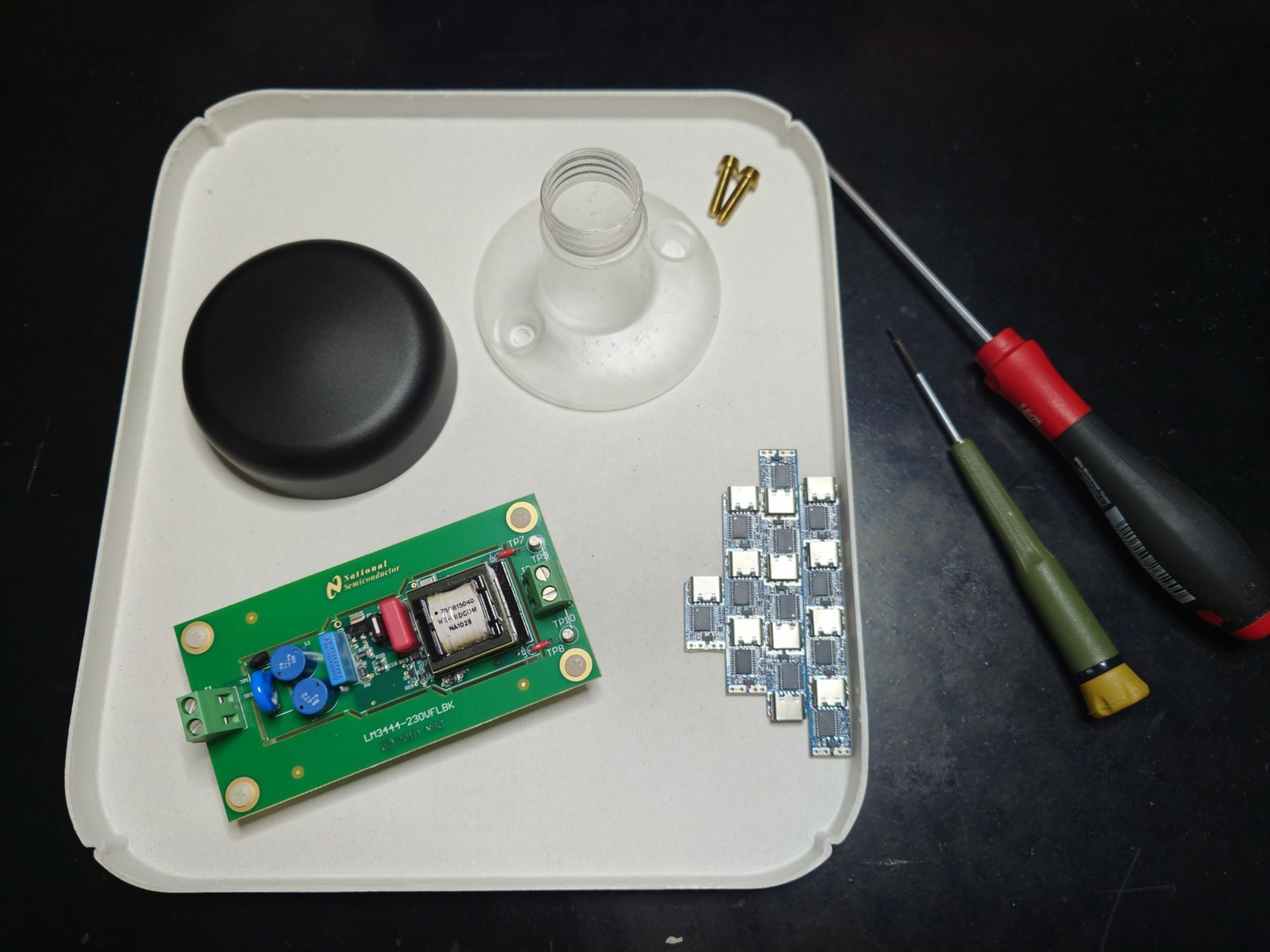
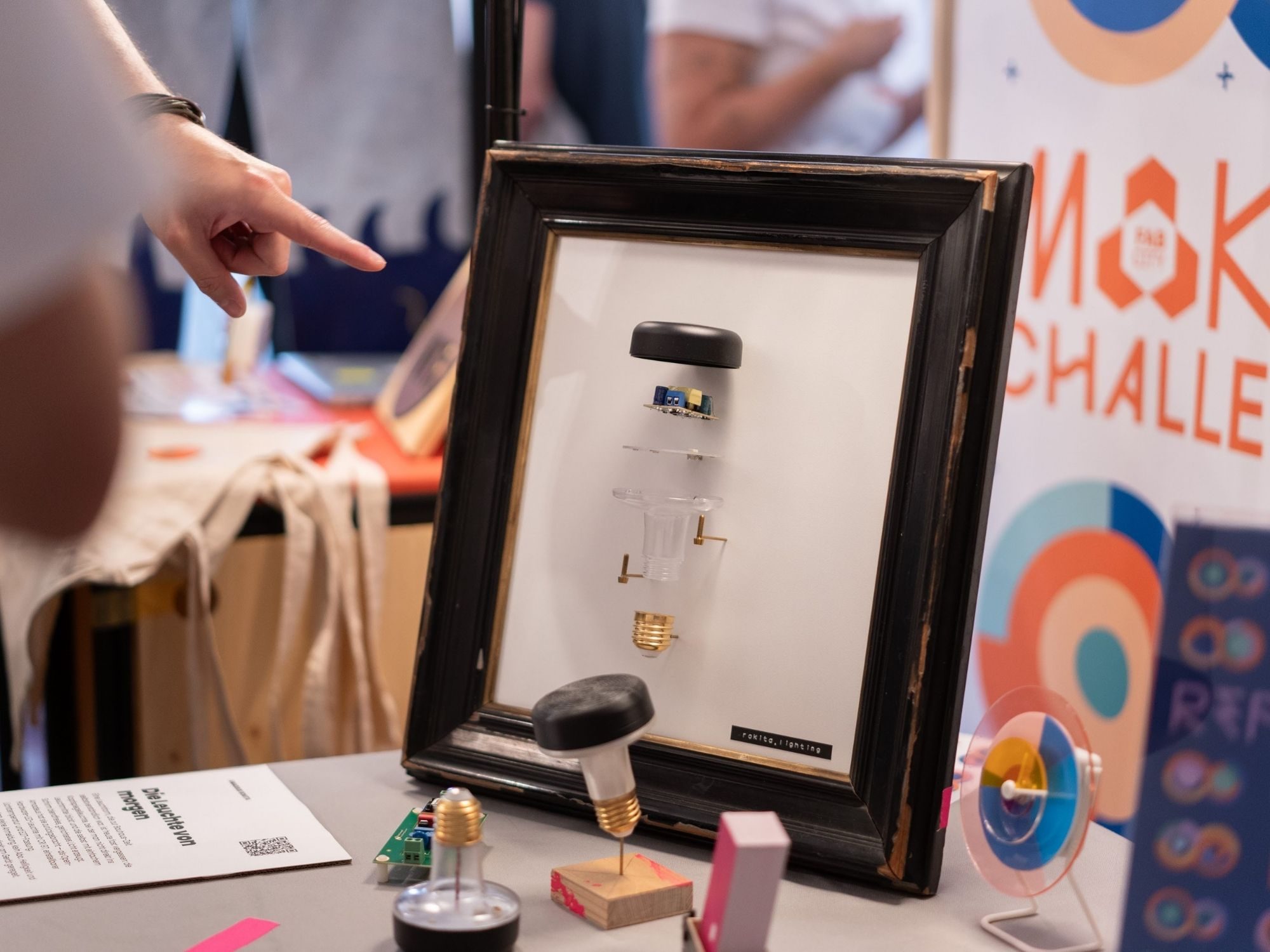
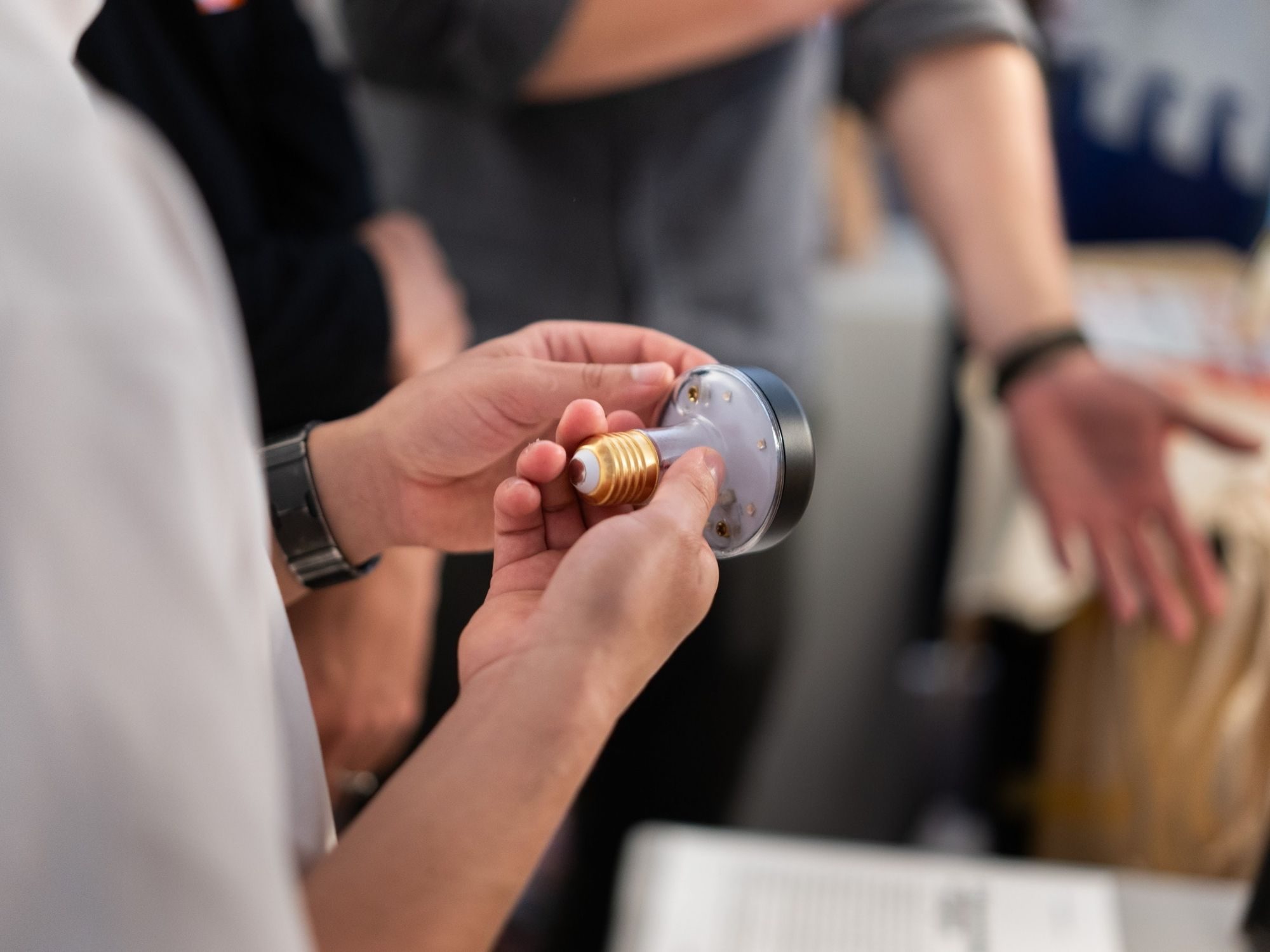
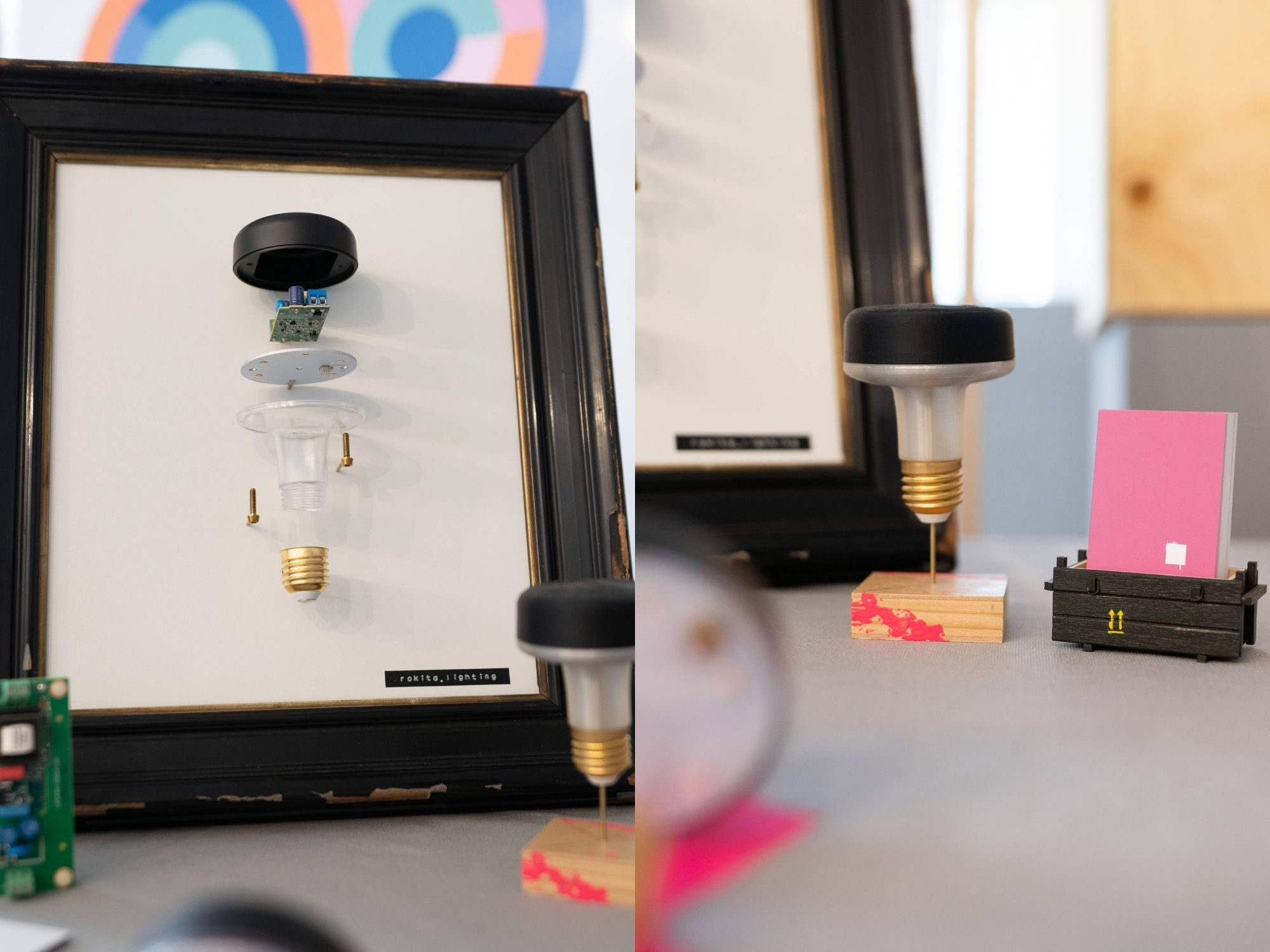
A type of light fixture that was commonplace during the Bauhaus era has been all but forgotten today: the head-mirror lamp, which prevents you from looking directly into the light source and produces glare-free, directional light even with a simple shade. Amadeus has brought it back—as an open-hardware LED lamp with a CRI of 97, adjustable color temperature, and an E27 socket.
No app, no registration, no subscription. Brightness and color temperature are controlled directly on the device. The housing is secured with screws, all modules can be replaced without tools, and the documentation is publicly available.
A light fixture that can be repaired instead of replaced—for workshops, studios, and anyone for whom good lighting isn’t a matter of connectivity.


Partner
Project
The MAKER CHALLENGE 2026 is part of the dtec.bw research project Fab City – Decentralized, Digital Production for Urban Value Creation
Project Duration: 2021–2026